Strait of Hormuz: The Narrow Passage That Holds the…

3 reactions
Strait of Hormuz: The Narrow Passage That Holds the World’s Oil Supply Hostage
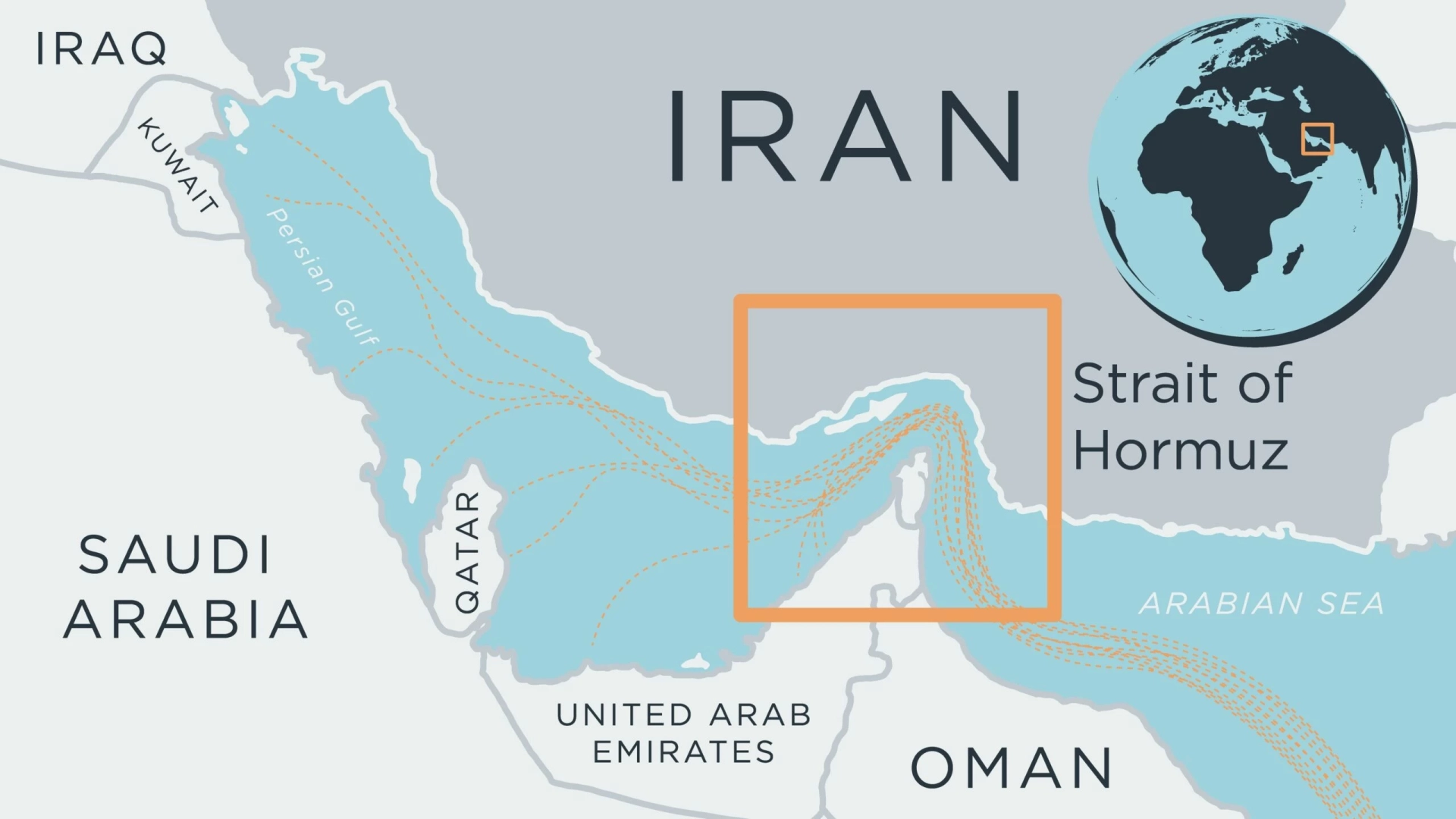
Few geographic locations carry as much strategic weight in the global energy system as the Strait of Hormuz. This narrow waterway—situated between Iran to the north and Oman and the United Arab Emirates to the south—serves as the primary gateway for oil exports from the Persian Gulf to the rest of the world. Though only about 21 miles wide at its narrowest point, the strait handles an outsized portion of global energy trade, making it one of the most important—and vulnerable—chokepoints in international commerce.
A Critical Artery for Global Oil
The Strait of Hormuz functions as the single most important transit route for seaborne oil. On an average day, roughly 20 million barrels of crude oil and petroleum liquids pass through the strait. That represents about one-fifth of the world’s total oil consumption and nearly one-third of all global seaborne oil trade .
More at: https://onthenode.com/politics/strait-of-hormuz-the-narrow-passage-that-holds-the-worlds-oil-supply-hostage
Few geographic locations carry as much strategic weight in the global energy system as the Strait of Hormuz. This narrow waterway—situated between Iran to the north and Oman and the United Arab Emirates to the south—serves as the primary gateway for oil exports from the Persian Gulf to the rest of the world. Though only about 21 miles wide at its narrowest point, the strait handles an outsized portion of global energy trade, making it one of the most important—and vulnerable—chokepoints in international commerce.
A Critical Artery for Global Oil
The Strait of Hormuz functions as the single most important transit route for seaborne oil. On an average day, roughly 20 million barrels of crude oil and petroleum liquids pass through the strait. That represents about one-fifth of the world’s total oil consumption and nearly one-third of all global seaborne oil trade .
More at: https://onthenode.com/politics/strait-of-hormuz-the-narrow-passage-that-holds-the-worlds-oil-supply-hostage


2

1
| 107,000 mlx | |
| 154 | |
| 3 |