
A lot of you here already know about OnTheNode.com — a publication where you can earn Millix for your writing . ✍️💰
I’m happy to say that we’ll now be actively reviewing new submissions every day!
Into crypto, world news, fascinating stories, editorials, reviews, technology, culture — or just have something interesting to say? We want to read it.
If your article is approved and published, you’ll earn 500,000 MLX per article . On top of that, we’ll be paying out weekly bonuses to our active contributors . 🚀
So if you’ve been looking for a reason to start writing, this is it.
Submit your article to OnTheNode and get published, get read, and get rewarded.
I’m looking forward to reading your submissions. Cheers! 🍻
I’m happy to say that we’ll now be actively reviewing new submissions every day!
Into crypto, world news, fascinating stories, editorials, reviews, technology, culture — or just have something interesting to say? We want to read it.
If your article is approved and published, you’ll earn 500,000 MLX per article . On top of that, we’ll be paying out weekly bonuses to our active contributors . 🚀
So if you’ve been looking for a reason to start writing, this is it.
Submit your article to OnTheNode and get published, get read, and get rewarded.
I’m looking forward to reading your submissions. Cheers! 🍻



19

5

3

1

1

1

1

1

1

3 reactions
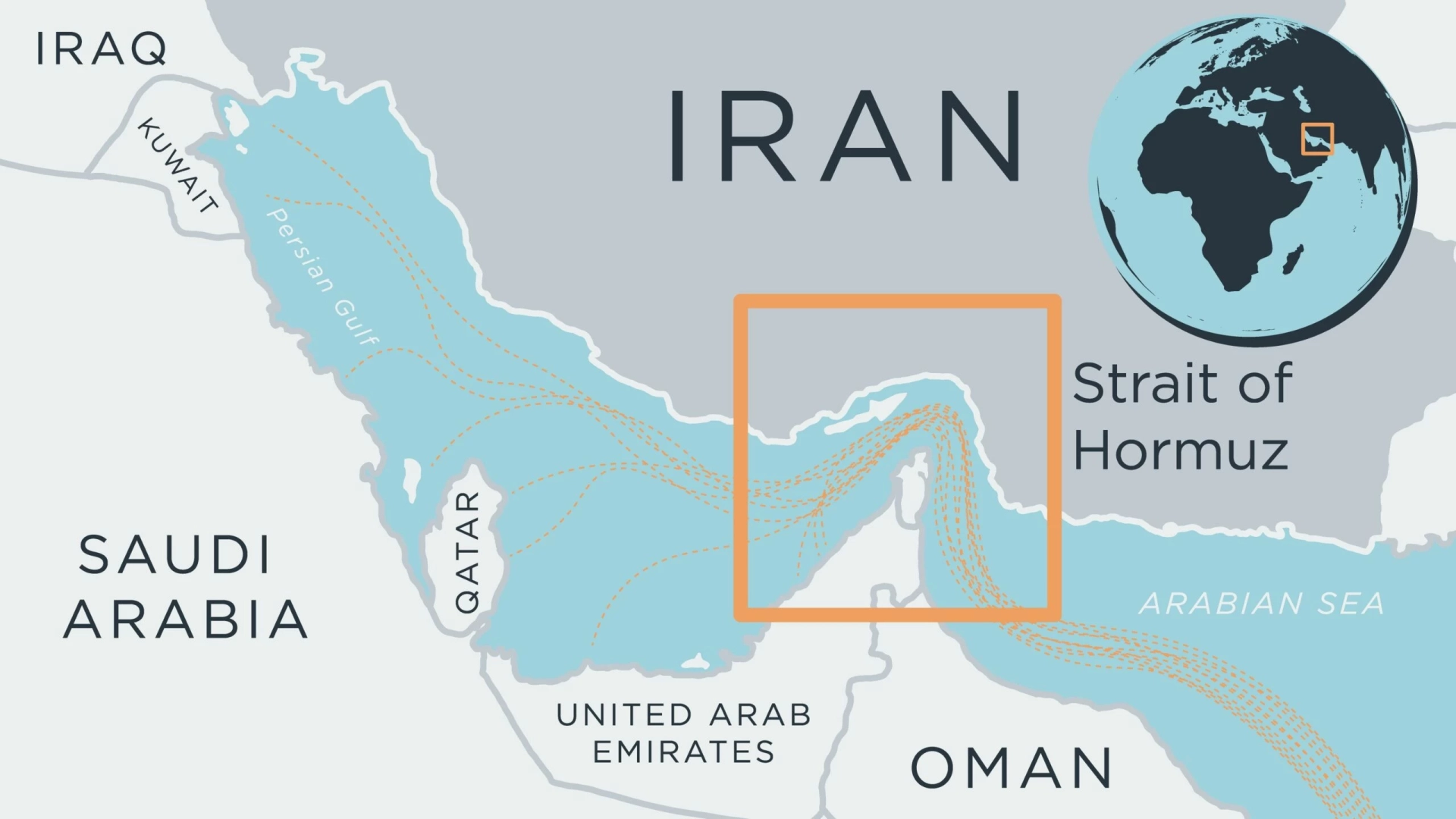
Strait of Hormuz: The Narrow Passage That Holds the World’s Oil Supply Hostage
Few geographic locations carry as much strategic weight in the global energy system as the Strait of Hormuz. This narrow waterway—situated between Iran to the north and Oman and the United Arab Emirates to the south—serves as the primary gateway for oil exports from the Persian Gulf to the rest of the world. Though only about 21 miles wide at its narrowest point, the strait handles an outsized portion of global energy trade, making it one of the most important—and vulnerable—chokepoints in international commerce.
A Critical Artery for Global Oil
The Strait of Hormuz functions as the single most important transit route for seaborne oil. On an average day, roughly 20 million barrels of crude oil and petroleum liquids pass through the strait. That represents about one-fifth of the world’s total oil consumption and nearly one-third of all global seaborne oil trade .
More at: https://onthenode.com/politics/strait-of-hormuz-the-narrow-passage-that-holds-the-worlds-oil-supply-hostage
Few geographic locations carry as much strategic weight in the global energy system as the Strait of Hormuz. This narrow waterway—situated between Iran to the north and Oman and the United Arab Emirates to the south—serves as the primary gateway for oil exports from the Persian Gulf to the rest of the world. Though only about 21 miles wide at its narrowest point, the strait handles an outsized portion of global energy trade, making it one of the most important—and vulnerable—chokepoints in international commerce.
A Critical Artery for Global Oil
The Strait of Hormuz functions as the single most important transit route for seaborne oil. On an average day, roughly 20 million barrels of crude oil and petroleum liquids pass through the strait. That represents about one-fifth of the world’s total oil consumption and nearly one-third of all global seaborne oil trade .
More at: https://onthenode.com/politics/strait-of-hormuz-the-narrow-passage-that-holds-the-worlds-oil-supply-hostage
2
1
32 reactions
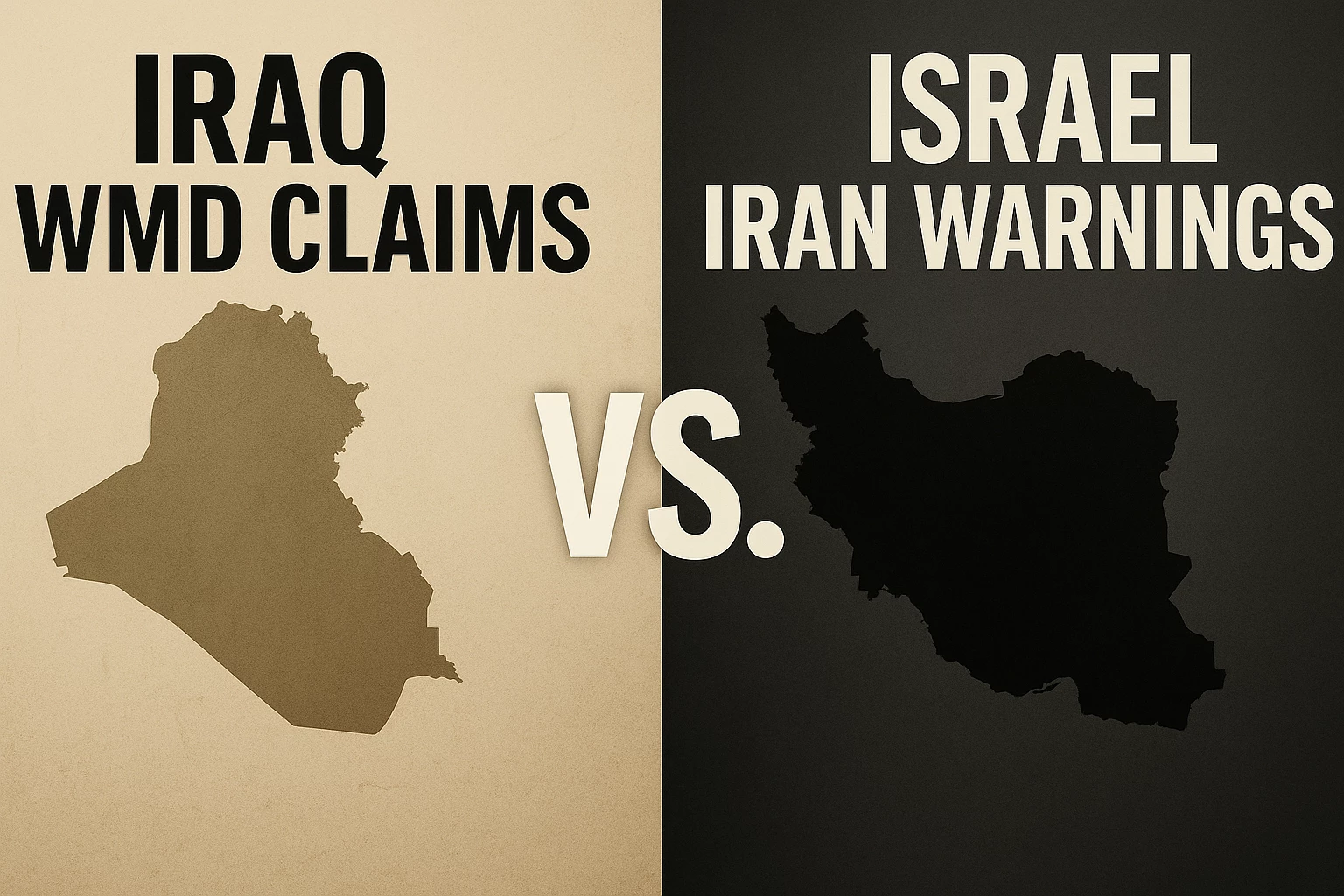
Déjà Vu Diplomacy: Comparing Iraq’s WMD Claims to Israel’s Warnings on Iran’s Nuclear Program
For over two decades, intelligence claims and political rhetoric surrounding weapons of mass destruction (WMDs) have shaped some of the most consequential foreign policy decisions of the 21st century. The 2003 invasion of Iraq was largely justified by the Bush administration on the assertion that Saddam Hussein possessed active WMD programs. Those claims later proved to be unsubstantiated.
Since then, a similar pattern of warnings has emerged—this time concerning Iran . Successive Israeli prime ministers, particularly Benjamin Netanyahu, have repeatedly declared that Iran is on the brink of producing a nuclear weapon. From speeches at the United Nations with cartoonish bomb diagrams to classified briefings, these urgent warnings have been consistent, frequent—and yet, for over 15 years, a nuclear-armed Iran has not materialized.
More at: https://onthenode.com/analysis/deja-vu-diplomacy-comparing-iraqs-wmd-claims-to-israels-warnings-on-irans-nuclear-program
For over two decades, intelligence claims and political rhetoric surrounding weapons of mass destruction (WMDs) have shaped some of the most consequential foreign policy decisions of the 21st century. The 2003 invasion of Iraq was largely justified by the Bush administration on the assertion that Saddam Hussein possessed active WMD programs. Those claims later proved to be unsubstantiated.
Since then, a similar pattern of warnings has emerged—this time concerning Iran . Successive Israeli prime ministers, particularly Benjamin Netanyahu, have repeatedly declared that Iran is on the brink of producing a nuclear weapon. From speeches at the United Nations with cartoonish bomb diagrams to classified briefings, these urgent warnings have been consistent, frequent—and yet, for over 15 years, a nuclear-armed Iran has not materialized.
More at: https://onthenode.com/analysis/deja-vu-diplomacy-comparing-iraqs-wmd-claims-to-israels-warnings-on-irans-nuclear-program
27
2
1