What “tired” are you? Do you even know or acknowledge the…
0 reactions
What “tired” are you?
Do you even know or acknowledge the difference?
I always hear “how tired I am” from clients that don’t even know why or what is making them tired.
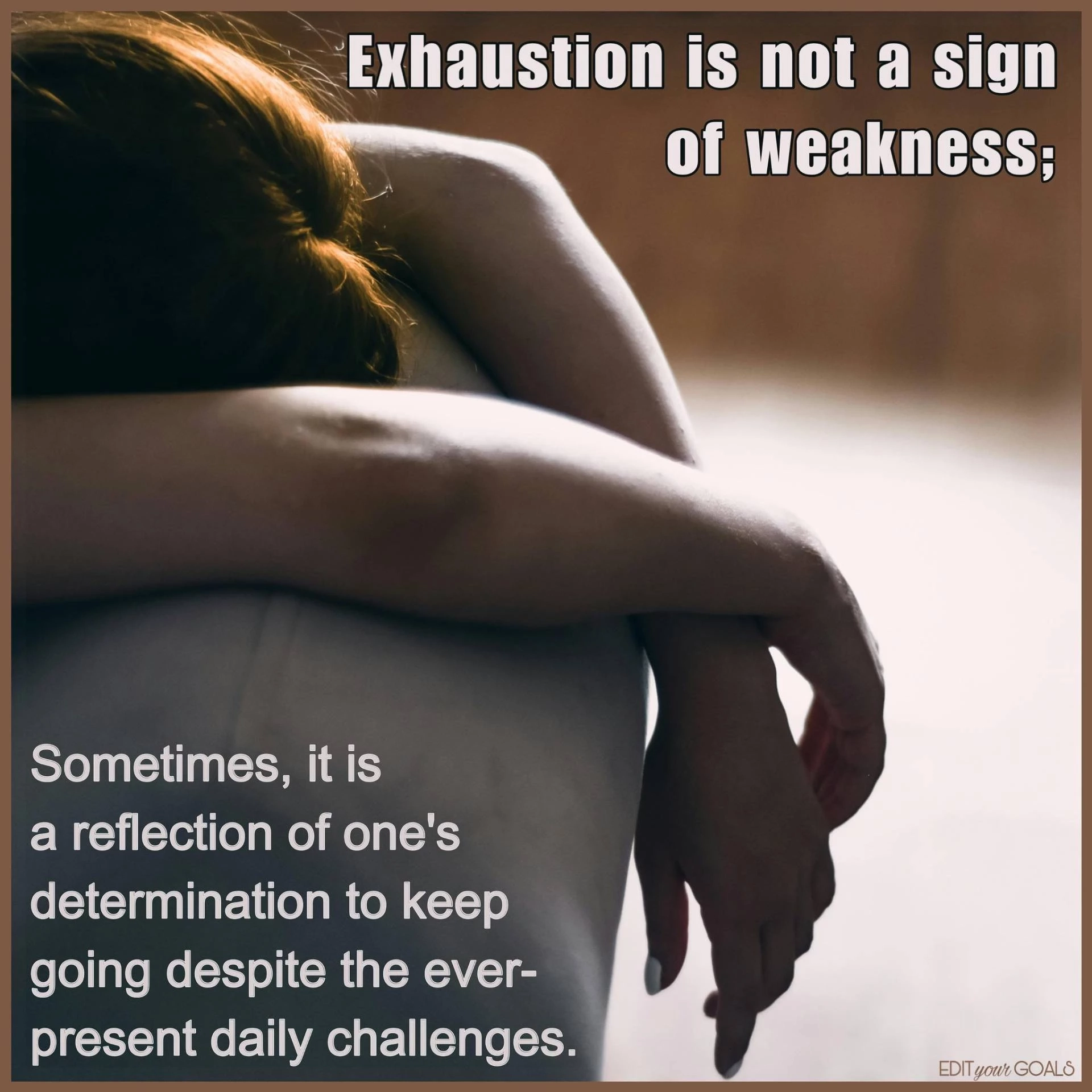
Mental tiredness and physical tiredness are two distinct forms of fatigue that impact individuals in different ways. Physical tiredness is characterized by a feeling of exhaustion in the body, often resulting from physical exertion or lack of adequate rest. This type of tiredness is typically alleviated through physical rest, sleep, and nourishment to help the body recover and replenish its energy levels.
On the other hand, mental tiredness is a state of exhaustion that affects the mind and cognitive functions. It can be caused by factors such as stress, overstimulation, cognitive overload, or lack of mental stimulation. Unlike physical tiredness, mental tiredness requires a different approach for rejuvenation. Taking a mental break, engaging in relaxation techniques, practicing mindfulness, exercising, or redirecting focus to different tasks can help alleviate mental fatigue.
Despite their differences, mental and physical tiredness are interconnected and can influence each other. For example, prolonged mental fatigue can manifest as physical symptoms such as headaches, muscle tension, or fatigue. Similarly, physical exhaustion can impact mental clarity, focus, and decision-making abilities.
Understanding the distinction between mental and physical tiredness is essential for managing overall well-being. Balancing physical rest, mental relaxation, and engaging in activities that promote both physical and mental health is crucial for maintaining optimal energy levels and productivity. By recognizing the unique characteristics of each type of fatigue and addressing them accordingly, individuals can effectively manage their energy levels and enhance their overall quality of life.
Don’t just say “you’re tired”.
Know what tiredness it is and treat accordingly.
Live up to your potential.
-Coach Mike
EDIT your GOALS
Every
Day
Internal
Thoughts
Guarantees
Our
Absolute
Life
Situations
#tired #exhausted #realize #steps #energy
Background Picture by
Zoe
Do you even know or acknowledge the difference?
I always hear “how tired I am” from clients that don’t even know why or what is making them tired.
Mental tiredness and physical tiredness are two distinct forms of fatigue that impact individuals in different ways. Physical tiredness is characterized by a feeling of exhaustion in the body, often resulting from physical exertion or lack of adequate rest. This type of tiredness is typically alleviated through physical rest, sleep, and nourishment to help the body recover and replenish its energy levels.
On the other hand, mental tiredness is a state of exhaustion that affects the mind and cognitive functions. It can be caused by factors such as stress, overstimulation, cognitive overload, or lack of mental stimulation. Unlike physical tiredness, mental tiredness requires a different approach for rejuvenation. Taking a mental break, engaging in relaxation techniques, practicing mindfulness, exercising, or redirecting focus to different tasks can help alleviate mental fatigue.
Despite their differences, mental and physical tiredness are interconnected and can influence each other. For example, prolonged mental fatigue can manifest as physical symptoms such as headaches, muscle tension, or fatigue. Similarly, physical exhaustion can impact mental clarity, focus, and decision-making abilities.
Understanding the distinction between mental and physical tiredness is essential for managing overall well-being. Balancing physical rest, mental relaxation, and engaging in activities that promote both physical and mental health is crucial for maintaining optimal energy levels and productivity. By recognizing the unique characteristics of each type of fatigue and addressing them accordingly, individuals can effectively manage their energy levels and enhance their overall quality of life.
Don’t just say “you’re tired”.
Know what tiredness it is and treat accordingly.
Live up to your potential.
-Coach Mike
EDIT your GOALS
Every
Day
Internal
Thoughts
Guarantees
Our
Absolute
Life
Situations
#tired #exhausted #realize #steps #energy
Background Picture by
Zoe


| 13,000 mlx | |
| 13 | |
| 0 |