#crimescenes @amjadali g/studio 1. Who do you think bears…

1 reactions
#crimescenes
1. Who do you think bears the greatest responsibility for this tragedy?
The greatest responsibility lies with Ayesha because she knowingly deceived both Ali and Bilal for months. However, Ali is also responsible for allowing anger to control his actions during the confrontation. This tragedy resulted from dishonesty and a loss of emotional control.
2. Is hiding the truth in a relationship a moral issue only, or can it contribute to criminal consequences?
It begins as a moral issue, but serious deception can create conflicts that may escalate into dangerous situations. While dishonesty itself is not always a crime, it can contribute to circumstances that lead to criminal consequences.
3. If you were the judge, how would you assess Ali's actions?
I would carefully examine the evidence to determine whether Bilal's death was a tragic accident or the result of a criminal act. Ali's emotional state would be considered, but losing control does not remove personal responsibility. The judgment should be based on facts and the law.
4. What lesson can society learn from this case about honesty, trust, and emotional control?
Honesty builds trust, while lies can destroy relationships and lead to heartbreaking outcomes. People should communicate truthfully, respect one another, and manage their emotions peacefully instead of reacting with anger. A single moment of uncontrolled emotion can change many lives forever.
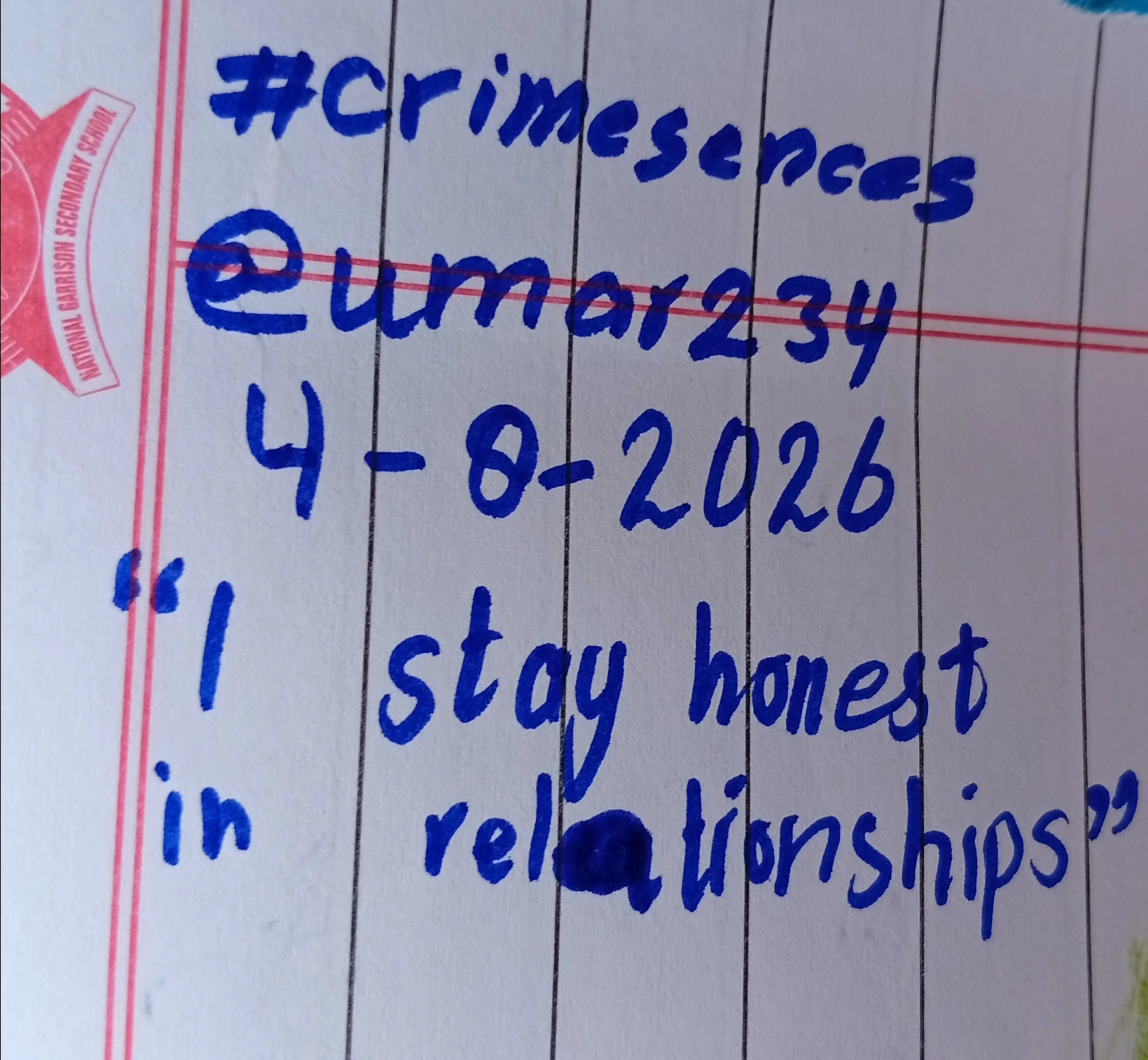
I stay honest in relationships.
1. Who do you think bears the greatest responsibility for this tragedy?
The greatest responsibility lies with Ayesha because she knowingly deceived both Ali and Bilal for months. However, Ali is also responsible for allowing anger to control his actions during the confrontation. This tragedy resulted from dishonesty and a loss of emotional control.
2. Is hiding the truth in a relationship a moral issue only, or can it contribute to criminal consequences?
It begins as a moral issue, but serious deception can create conflicts that may escalate into dangerous situations. While dishonesty itself is not always a crime, it can contribute to circumstances that lead to criminal consequences.
3. If you were the judge, how would you assess Ali's actions?
I would carefully examine the evidence to determine whether Bilal's death was a tragic accident or the result of a criminal act. Ali's emotional state would be considered, but losing control does not remove personal responsibility. The judgment should be based on facts and the law.
4. What lesson can society learn from this case about honesty, trust, and emotional control?
Honesty builds trust, while lies can destroy relationships and lead to heartbreaking outcomes. People should communicate truthfully, respect one another, and manage their emotions peacefully instead of reacting with anger. A single moment of uncontrolled emotion can change many lives forever.
I stay honest in relationships.


1
| 14,000 mlx | |
| 6 | |
| 1 |
