1 reactions
B(2(iRemembering Justice Souter: Defender of state/church separation
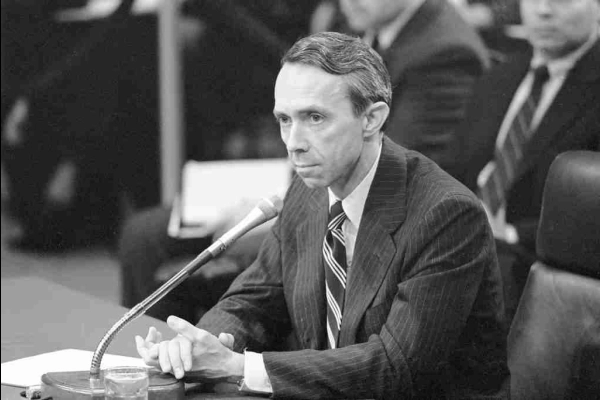
As an attorney at the Freedom From Religion Foundation and a staunch supporter of the constitutional separation between state and church, I was deeply moved by today’s news of the death of retired U.S. Supreme Court Justice David Souter at age 85. A quiet intellectual force, Souter was known for his humility, integrity and thoughtful jurisprudence — and for being a consistent, principled defender of the constitutional wall separating religion and government, even when it placed him in the minority.
FFRF appeared before the Supreme Court in Hein v. Freedom From Religion Foundation https://ffrf.org/legal/other-court-challenges/ffrf-sues-over-bushs-offices-of-faith-based-initiatives-2007/ n 2007, challenging the creation of the Faith-Based and Community Initiatives offices at the White House and the Cabinet by President George W. Bush. The legal question before the court was whether the challenge could proceed, that is, whether taxpayers had the right (or “standing”) to sue the executive branch for using public funds in support of promoting religion. FFRF, which had won that right before the U.S. 7th Circuit Court of Appeals, argued yes. A narrow majority of the court said no.
Souter authored a powerful dissent https://www.law.cornell.edu/supct/html/06-157.ZD.html, joined by Justices John Paul Stevens, Ruth Bader Ginsburg and Stephen Breyer. It remains a master class in constitutional reasoning. He warned that denying taxpayer standing would create a dangerous loophole — allowing the executive branch to do what Congress is constitutionally forbidden to do:
“…if the Executive could accomplish through the exercise of discretion exactly what Congress cannot do through legislation, Establishment Clause protection would melt away.”
That warning now rings louder than ever. Since Souter’s retirement in 2009, the Supreme Court has taken a hard right turn, and with it, the Establishment Clause has suffered repeated blows. In Town of Greece v. Galloway https://supreme.justia.com/cases/federal/us/572/565/ 2014), the court permitted sectarian prayer at government meetings. In Kennedy v. Bremerton School District https://supreme.justia.com/cases/federal/us/597/21-418022), it greenlit official prayers by a public school employee at school events by falsely claiming they were anything but coercive. Today’s court appears far more eager to accommodate religious privilege than to maintain the First Amendment’s mandate of government neutrality.
Souter’s departure marked more than the loss of a moderate voice; it marked the end of an era in which the court took seriously the Constitution’s commitment to secular governance. Unlike some of his successors, Souter did not mistake religious freedom for a license to impose religion through government power. He understood that true freedom of conscience depends on the government neither promoting nor denigrating religion.
Souter also stood firm on other core rights. He voted to uphold Roe v. Wade and supported the rights of LGBTQ-plus Americans — often resisting pressure from religious conservatives seeking to enshrine narrow theocratic values into law.
He wasn’t flashy. He avoided the limelight. But in case after case, Souter demonstrated an unwavering respect for the constitutional boundary between state and church. He joined key rulings protecting public school students from officially sanctioned prayer and opposing religious displays on government property.
In Lee v. Weisman (1992), a case involving clergy-led prayer at public school graduations, Souter wrote a separate concurrence that reflected his deep understanding of the Founders’ intent. Summarizing James Madison’s opposition to tax-supported religion, he offered a powerful historical insight:
“The Framers adopted the Religion Clauses in response to a long tradition of coercive state support for religion, particularly in the form of tax assessments, but their special antipathy to religious coercion did not exhaust their hostility to the features and incidents of establishment. … When, for example, Madison criticized Virginia’s general assessment bill, he invoked principles antithetical to all state efforts to promote religion. An assessment, he wrote, is improper not simply because it forces people to donate ‘three pence’ to religion, but, more broadly, because ‘it is itself a signal of persecution. It degrades from the equal rank of Citizens all those whose opinions in Religion do not bend to those of the Legislative authority.’ Madison saw that, even without the tax collector’s participation, an official endorsement of religion can impair religious liberty.” (Lee v. Weisman, concurrence)
That historical perspective — and constitutional clarity — is increasingly rare on today’s Supreme Court.
That’s why Souter’s legacy matters. He wrote with humility, intelligence and conviction. He understood that when the government favors religion, it inevitably divides citizens and endangers liberty. His integrity was unmistakable in his dissent in Bush v. Gore (2000), where he stood against the politicization of the judicial process at a moment of national consequence.
Unfortunately, Justice Souter’s principled, secular approach to the Constitution caught conservative Christian activists and politicians off guard. Expecting President George H.W. ush’s appointee to be reliably reactionary, they were determined never to be “surprised” again. In response, the religious right and Republican leadership began demanding strict ideological vetting of future judicial nominees. This culminated in President Trump’s full embrace of the Federalist Society as a judicial gatekeeper, paving the way for the current capture of the Supreme Court by Christian nationalists.
At FFRF, we continue the work Justice Souter so nobly defended from the bench — holding the government to its constitutional limits and resisting theocracy in all its forms.
#religion /
As an attorney at the Freedom From Religion Foundation and a staunch supporter of the constitutional separation between state and church, I was deeply moved by today’s news of the death of retired U.S. Supreme Court Justice David Souter at age 85. A quiet intellectual force, Souter was known for his humility, integrity and thoughtful jurisprudence — and for being a consistent, principled defender of the constitutional wall separating religion and government, even when it placed him in the minority.
FFRF appeared before the Supreme Court in Hein v. Freedom From Religion Foundation https://ffrf.org/legal/other-court-challenges/ffrf-sues-over-bushs-offices-of-faith-based-initiatives-2007/ n 2007, challenging the creation of the Faith-Based and Community Initiatives offices at the White House and the Cabinet by President George W. Bush. The legal question before the court was whether the challenge could proceed, that is, whether taxpayers had the right (or “standing”) to sue the executive branch for using public funds in support of promoting religion. FFRF, which had won that right before the U.S. 7th Circuit Court of Appeals, argued yes. A narrow majority of the court said no.
Souter authored a powerful dissent https://www.law.cornell.edu/supct/html/06-157.ZD.html, joined by Justices John Paul Stevens, Ruth Bader Ginsburg and Stephen Breyer. It remains a master class in constitutional reasoning. He warned that denying taxpayer standing would create a dangerous loophole — allowing the executive branch to do what Congress is constitutionally forbidden to do:
“…if the Executive could accomplish through the exercise of discretion exactly what Congress cannot do through legislation, Establishment Clause protection would melt away.”
That warning now rings louder than ever. Since Souter’s retirement in 2009, the Supreme Court has taken a hard right turn, and with it, the Establishment Clause has suffered repeated blows. In Town of Greece v. Galloway https://supreme.justia.com/cases/federal/us/572/565/ 2014), the court permitted sectarian prayer at government meetings. In Kennedy v. Bremerton School District https://supreme.justia.com/cases/federal/us/597/21-418022), it greenlit official prayers by a public school employee at school events by falsely claiming they were anything but coercive. Today’s court appears far more eager to accommodate religious privilege than to maintain the First Amendment’s mandate of government neutrality.
Souter’s departure marked more than the loss of a moderate voice; it marked the end of an era in which the court took seriously the Constitution’s commitment to secular governance. Unlike some of his successors, Souter did not mistake religious freedom for a license to impose religion through government power. He understood that true freedom of conscience depends on the government neither promoting nor denigrating religion.
Souter also stood firm on other core rights. He voted to uphold Roe v. Wade and supported the rights of LGBTQ-plus Americans — often resisting pressure from religious conservatives seeking to enshrine narrow theocratic values into law.
He wasn’t flashy. He avoided the limelight. But in case after case, Souter demonstrated an unwavering respect for the constitutional boundary between state and church. He joined key rulings protecting public school students from officially sanctioned prayer and opposing religious displays on government property.
In Lee v. Weisman (1992), a case involving clergy-led prayer at public school graduations, Souter wrote a separate concurrence that reflected his deep understanding of the Founders’ intent. Summarizing James Madison’s opposition to tax-supported religion, he offered a powerful historical insight:
“The Framers adopted the Religion Clauses in response to a long tradition of coercive state support for religion, particularly in the form of tax assessments, but their special antipathy to religious coercion did not exhaust their hostility to the features and incidents of establishment. … When, for example, Madison criticized Virginia’s general assessment bill, he invoked principles antithetical to all state efforts to promote religion. An assessment, he wrote, is improper not simply because it forces people to donate ‘three pence’ to religion, but, more broadly, because ‘it is itself a signal of persecution. It degrades from the equal rank of Citizens all those whose opinions in Religion do not bend to those of the Legislative authority.’ Madison saw that, even without the tax collector’s participation, an official endorsement of religion can impair religious liberty.” (Lee v. Weisman, concurrence)
That historical perspective — and constitutional clarity — is increasingly rare on today’s Supreme Court.
That’s why Souter’s legacy matters. He wrote with humility, intelligence and conviction. He understood that when the government favors religion, it inevitably divides citizens and endangers liberty. His integrity was unmistakable in his dissent in Bush v. Gore (2000), where he stood against the politicization of the judicial process at a moment of national consequence.
Unfortunately, Justice Souter’s principled, secular approach to the Constitution caught conservative Christian activists and politicians off guard. Expecting President George H.W. ush’s appointee to be reliably reactionary, they were determined never to be “surprised” again. In response, the religious right and Republican leadership began demanding strict ideological vetting of future judicial nominees. This culminated in President Trump’s full embrace of the Federalist Society as a judicial gatekeeper, paving the way for the current capture of the Supreme Court by Christian nationalists.
At FFRF, we continue the work Justice Souter so nobly defended from the bench — holding the government to its constitutional limits and resisting theocracy in all its forms.
#religion /


1
| 8,000 mlx | |
| 9 | |
| 1 |