#PoliticalSunday by @waterandfire08 . Number 5 Topic…

185 reactions
#PoliticalSunday by
Number 5
Topic: Child in Conflict of Law (CICL)
#tipmenow
Rules 1.) Must subscribe to
2.) Post ur answer with memes photo, and link your answer below 👇 👇 👇 👇 👇 👇 👇 👇 👇 👇 👇 👇 Feel free to express your opinion/s if there is any;
3. ) Answer limitedly to the question provided;
Tip will be from 100k to 1MILLION
Have a wonderful political mind's everyone!!!
#readandlearned
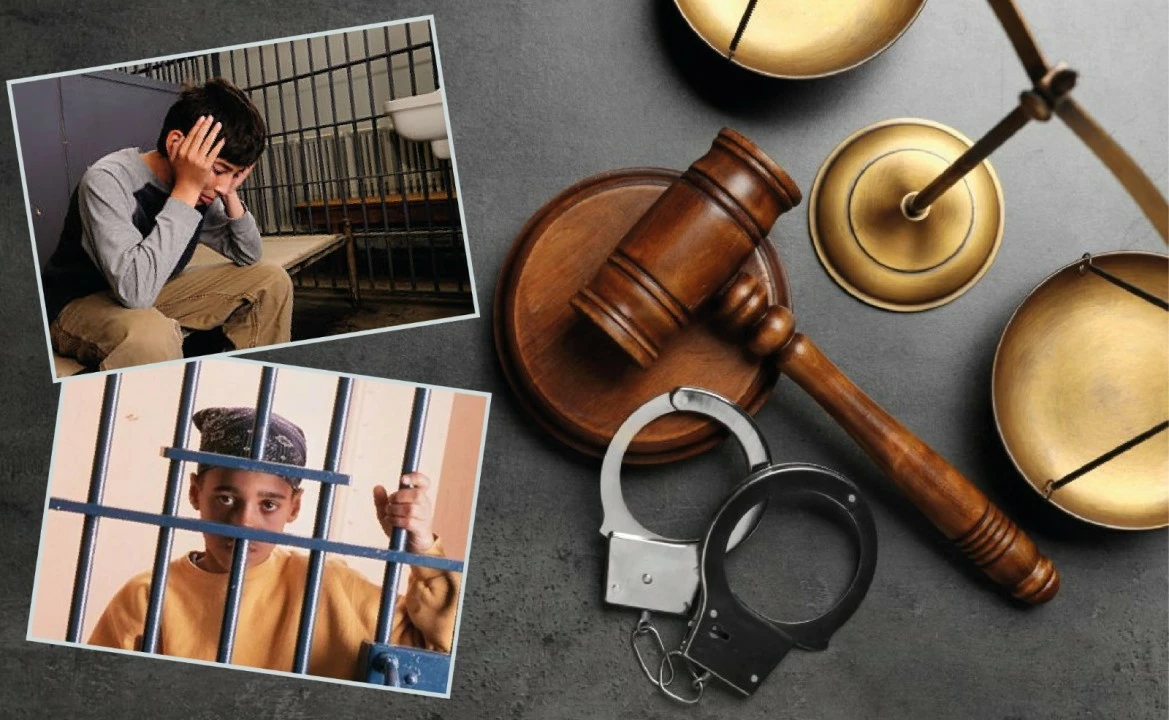
Question: If you are the Mother or the Father of the child who committed an offensed, will you allowed the law to discipline your child to be detained temporarily under the Government Institution for intervention programs, to further acknowledge their sin/ or violation to prevent re-offending or to commit another crime?
Facts: Child within 15 year old but not above 18 years old, who violate's law of the country where the penalty was not below 6 years.
Number 5
Topic: Child in Conflict of Law (CICL)
#tipmenow
Rules 1.) Must subscribe to
2.) Post ur answer with memes photo, and link your answer below 👇 👇 👇 👇 👇 👇 👇 👇 👇 👇 👇 👇 Feel free to express your opinion/s if there is any;
3. ) Answer limitedly to the question provided;
Tip will be from 100k to 1MILLION
Have a wonderful political mind's everyone!!!
#readandlearned
Question: If you are the Mother or the Father of the child who committed an offensed, will you allowed the law to discipline your child to be detained temporarily under the Government Institution for intervention programs, to further acknowledge their sin/ or violation to prevent re-offending or to commit another crime?
Facts: Child within 15 year old but not above 18 years old, who violate's law of the country where the penalty was not below 6 years.



22

14

7

1

1
| 21,194,000 mlx | |
| 134 | |
| 185 |
comments

Sent 2million to you go buy ur badge and have at least a gray verification,link ur tangled address to Twitter account or TikTok

1
1
1
Topic: Child in Conflict of Law ( CICL)
#PoliticalSunday by
#tipmenow
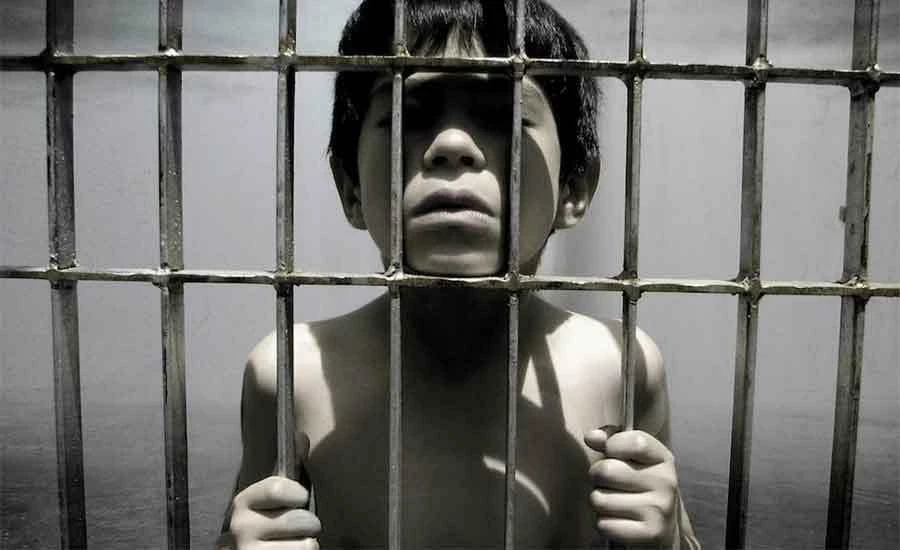
If my child breaks the law, I think it is important that the law helps them learn from their mistakes. Temporary custody means my child will stay in a special place for a short time. It can help them. My child needs to know that breaking the law has serious consequences. Trained professionals can work with my child to help them make better choices in the future. These programs can help them work through these problems. My child can learn to understand how their actions affect others and take responsibility for their mistakes. A difficult decision, but one that can help my child and I believe that temporary custody and intervention programs can be a valuable opportunity for my child to learn and grow. By learning from their mistakes and developing new skills, my child can become a more responsible and emotional person. By solving the basic problems that caused my child's behavior, we can reduce the risk of committing another crime and harming ourselves or others. And by helping my child learn from their mistakes and develop new skills, I can help them in their future success and prosperity.
#PoliticalSunday by
#tipmenow
If my child breaks the law, I think it is important that the law helps them learn from their mistakes. Temporary custody means my child will stay in a special place for a short time. It can help them. My child needs to know that breaking the law has serious consequences. Trained professionals can work with my child to help them make better choices in the future. These programs can help them work through these problems. My child can learn to understand how their actions affect others and take responsibility for their mistakes. A difficult decision, but one that can help my child and I believe that temporary custody and intervention programs can be a valuable opportunity for my child to learn and grow. By learning from their mistakes and developing new skills, my child can become a more responsible and emotional person. By solving the basic problems that caused my child's behavior, we can reduce the risk of committing another crime and harming ourselves or others. And by helping my child learn from their mistakes and develop new skills, I can help them in their future success and prosperity.

1
1
1


Based on my parents , I learned to face your own mistakes. If I become a mother and my child has offensed, then I let the government be low enough to discipline my child . As a parent, I will make sure that my child will know and learn to face the consequences of what he/she made .
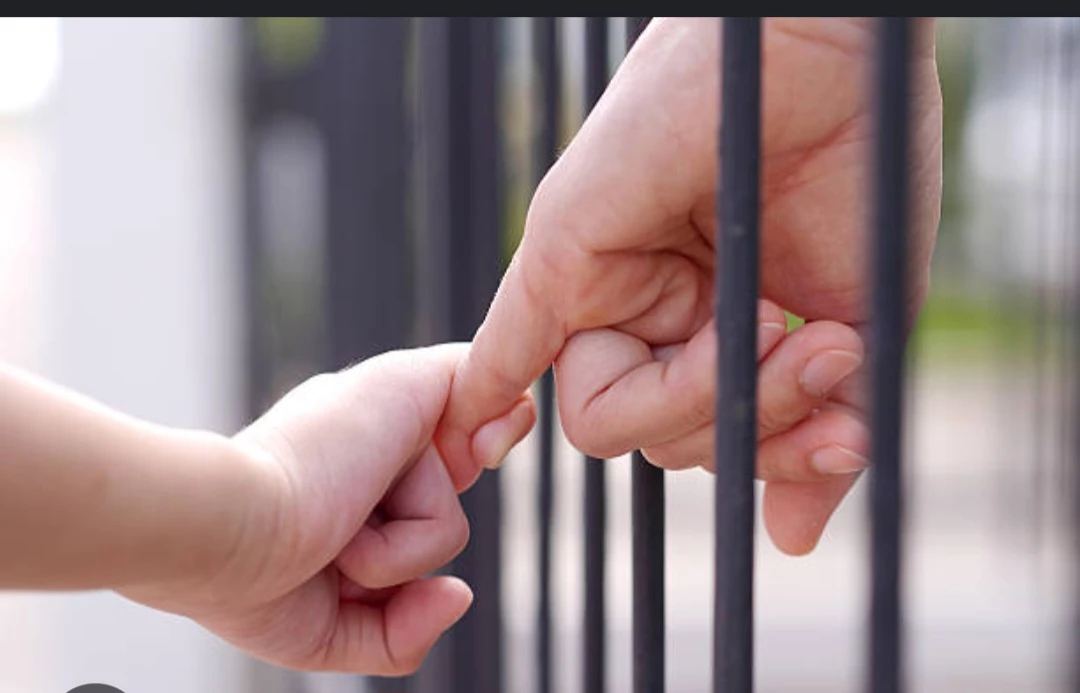
I haven't yet experienced but am pretty sure being far and seeing a child like that is really painful, but for the sake of their needs and good I will be patience and hold for that .
I haven't yet experienced but am pretty sure being far and seeing a child like that is really painful, but for the sake of their needs and good I will be patience and hold for that .
1
1
1
Your question is tough
PParental Concerns
Concern for child's well-being*: Parents want their child to receive support and guidance.
Fear of institutional harm*: Parents worry about potential harm or trauma within institutions.
Considerations
Child's age and maturity*: Children's understanding and capacity for reform vary. *Nature of the offense*: Severity and impact of the offense influence decisions.
*Alternative options*: Community-based programs or counseling might be effective.
Decision
Ultimately, parents would likely consider:
Seeking professional advice (legal, psychological).
Evaluating the institution's reputation and programs.
Weighing benefits of intervention against potential risks.
Collaboration
Ideally, parents, institutions, and authorities collaborate:
Ensuring child's safety and well-being.
Providing education and rehabilitation.
Preventing re-offending.
by balancing concerns and considering individual circumstances, parents can make informed decisions.
PParental Concerns
Concern for child's well-being*: Parents want their child to receive support and guidance.
Fear of institutional harm*: Parents worry about potential harm or trauma within institutions.
Considerations
Child's age and maturity*: Children's understanding and capacity for reform vary. *Nature of the offense*: Severity and impact of the offense influence decisions.
*Alternative options*: Community-based programs or counseling might be effective.
Decision
Ultimately, parents would likely consider:
Seeking professional advice (legal, psychological).
Evaluating the institution's reputation and programs.
Weighing benefits of intervention against potential risks.
Collaboration
Ideally, parents, institutions, and authorities collaborate:
Ensuring child's safety and well-being.
Providing education and rehabilitation.
Preventing re-offending.
by balancing concerns and considering individual circumstances, parents can make informed decisions.
1
1
1
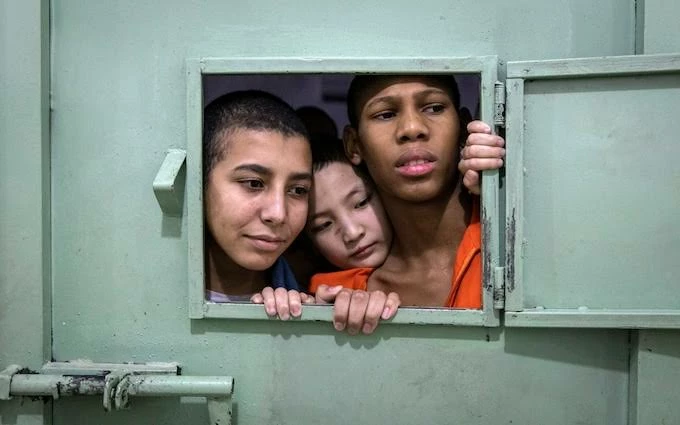
Disciplining a child who has committed an offense can be challenging. However, allowing them to face consequences and participate in intervention programs can help them grow and develop into responsible individuals.
1
1
1
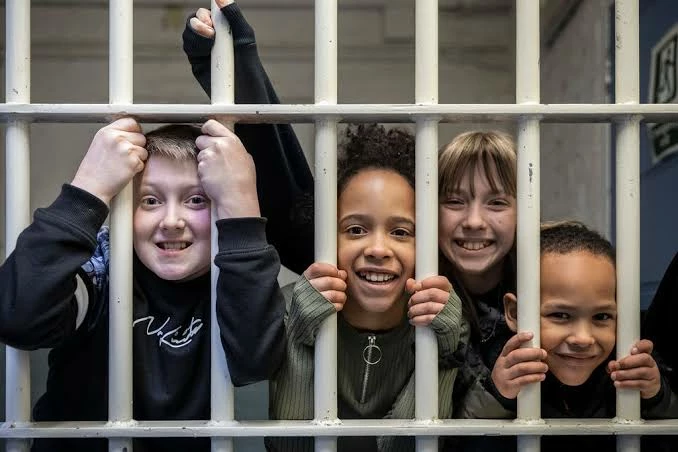
As a parent, allowing the law to discipline your child and providing intervention programs can be beneficial. It helps them understand the consequences of their actions, develop empathy, and learn skills to prevent re-offending. This approach balances accountability with support and rehabilitation.
1
1
1
The answer is very simple. If the child does not get good habits and live his/her life in the future, it will definitely affect him. So as a parent, we need to teach him good and bad because the child grows up in the family. So he/she gets things from us before the society. But if he/she does not learn from it, he/she will do something very bad. So here is the result. So he/she should be sent there and keep the changes that need to be made to become a better person.
1
1
1
It's depends on the offense they committed, if it's a major offense they should have go to juvenile detention center, but still I'm not sure they will understand the sin what they committed because they are children. Also there's a chance for them becoming do more offensive things.
1
1
1
Thanks for joining, you've got a wonderful political mind brother 😁
1
1
1
1
#PoliticalSunday by
.
Number 5
Topic: Child in Conflict of Law (CICL)
#tipmenow
As a parent, it's natural to want to protect and care for your child. However, if your child has committed an offense, it's essential to consider the consequences of their actions and the potential benefits of intervention programs.
Allowing the law to discipline your child and providing them with access to intervention programs can be a difficult but ultimately beneficial decision. These programs can help your child understand the impact of their actions, develop empathy, and learn valuable skills to prevent re-offending.
As a parent, it's crucial to balance your desire to protect your child with the need to hold them accountable for their actions. By allowing your child to participate in intervention programs, you can help them grow and develop into responsible, law-abiding citizens.
It's also important to remember that these programs are designed to support and rehabilitate, rather than simply punish. By working with the government institution and the intervention programs, you can help your child get back on the right path and build a brighter future.
.
Number 5
Topic: Child in Conflict of Law (CICL)
#tipmenow
As a parent, it's natural to want to protect and care for your child. However, if your child has committed an offense, it's essential to consider the consequences of their actions and the potential benefits of intervention programs.
Allowing the law to discipline your child and providing them with access to intervention programs can be a difficult but ultimately beneficial decision. These programs can help your child understand the impact of their actions, develop empathy, and learn valuable skills to prevent re-offending.
As a parent, it's crucial to balance your desire to protect your child with the need to hold them accountable for their actions. By allowing your child to participate in intervention programs, you can help them grow and develop into responsible, law-abiding citizens.
It's also important to remember that these programs are designed to support and rehabilitate, rather than simply punish. By working with the government institution and the intervention programs, you can help your child get back on the right path and build a brighter future.
1
1
1
As a parent, the decision to allow the law to intervene and temporarily detain a child in a government institution for rehabilitation or intervention programs can be complex and emotional. Ideally, the goal of such intervention would be to help the child understand the consequences of their actions, acknowledge their wrongdoing, and receive guidance to prevent future offenses.
If the child has committed an offense, a parent may support such action if they believe the intervention will provide the child with the opportunity to reflect on their behavior, receive necessary counseling, and ultimately prevent future criminal activity. Detention in a government institution often includes programs that focus on rehabilitation rather than punishment, emphasizing education, therapy, and behavior modification.
However, there might also be concerns about the child’s well-being in such institutions, the potential for trauma, or whether the intervention will truly be effective. Parents may prefer alternative measures like community-based programs, counseling, or family therapy that focus on addressing the root causes of the child's behavior, particularly if the parent believes the child can be rehabilitated outside of detention.
If the child has committed an offense, a parent may support such action if they believe the intervention will provide the child with the opportunity to reflect on their behavior, receive necessary counseling, and ultimately prevent future criminal activity. Detention in a government institution often includes programs that focus on rehabilitation rather than punishment, emphasizing education, therapy, and behavior modification.
However, there might also be concerns about the child’s well-being in such institutions, the potential for trauma, or whether the intervention will truly be effective. Parents may prefer alternative measures like community-based programs, counseling, or family therapy that focus on addressing the root causes of the child's behavior, particularly if the parent believes the child can be rehabilitated outside of detention.

1
1
1
As a parent, allowing the law to discipline a child who has committed an offense can be a challenging but necessary decision. If the intervention program within a government institution is designed to rehabilitate and educate the child while addressing the root causes of their behavior, it may be in the child's best interest.

1
1
1

Balancing Parental Concerns and Legal Consequences
When a child commits an offense, parents face a dilemma: protecting their child versus teaching them to face consequences.
Rehabilitation Over Punishment
For children aged 15-18 who commit serious offenses, rehabilitation should be the primary goal. Temporary detention with intervention programs can provide:
Guidance and counseling
Education and skills training
Behavioral modification programs
Parental Involvement
Parents should be involved in their child's rehabilitation:
Regular visits and communication
Participation in counseling sessions Collaboration with authorities
Conclusion
While protecting their child is natural, parents should recognize the value of rehabilitation programs. By being involved, parents can help their child develop skills and knowledge to become a productive member of society.
Activity Title: #PoliticalSunday
Activity Host:
#tipmenow
Topic: Child in Conflict of Law ( CICL)
If I were a parent in this situation, I would like the best possible result for my child keeping in mind their welfare, safety and future. Given the circumstances, I will likely agree to the law to allow my child to discipline with the following conditions: Intervention programs should be according to my child's age, needs and circumstances. The main objective should be rehabilitation, education, and reintegration into society rather than punishment alone. I would like to have regular updates on my child's progress, and the opportunity to participate in the recovery process. The staff and advisors of the government agency should be trained and professionals with experience working with minors. The physical, emotional, and psychological safety and well-being of my child must be ensured at all times. As a parent, I would like my child to take responsibility for his actions and understand the consequences of his behavior. Can provide guidance and education. Ultimately, as a parent, it would be a difficult decision, but I believe that allowing the law to discipline my child, under the terms mentioned above, would be in the best interest of both my child and society.
#PoliticalSunday by
#tipmenow
If I were a parent in this situation, I would like the best possible result for my child keeping in mind their welfare, safety and future. Given the circumstances, I will likely agree to the law to allow my child to discipline with the following conditions: Intervention programs should be according to my child's age, needs and circumstances. The main objective should be rehabilitation, education, and reintegration into society rather than punishment alone. I would like to have regular updates on my child's progress, and the opportunity to participate in the recovery process. The staff and advisors of the government agency should be trained and professionals with experience working with minors. The physical, emotional, and psychological safety and well-being of my child must be ensured at all times. As a parent, I would like my child to take responsibility for his actions and understand the consequences of his behavior. Can provide guidance and education. Ultimately, as a parent, it would be a difficult decision, but I believe that allowing the law to discipline my child, under the terms mentioned above, would be in the best interest of both my child and society.
#PoliticalSunday by
#tipmenow
1
1
1
As a parent, If my son or daughter made a grave offence I will voluntarily escorted them to the government and non-government correctional and/or rehabilitation center to reflect all those major offences he/she have made. This will help him/her redirect their individual lives into something positive. And prior to handing over my child, I would pre condition him/her that I am still there in his/her correctional journey.
If the offence is not grave enough I will personally lay down the possible intervention for my child with the assistance of a social worker and psychologist to check and monitor his/her transformation.
Activity Title: #PoliticalSunday
Activity Host:
#tipmenow
If the offence is not grave enough I will personally lay down the possible intervention for my child with the assistance of a social worker and psychologist to check and monitor his/her transformation.
Activity Title: #PoliticalSunday
Activity Host:
#tipmenow
1
1
1

As a parent, I would like to say that if someone commits a crime, he should be handed over to government agencies, and as long as the child is in the custody of the agency, the parents must be in contact with the child and the agency on a daily basis. With this, the child will realize his mistake or crime, and with the help of government institutions, psychological treatment of the child should also be done and it should be evaluated that why the child committed the crime and what were the reasons and why a child commits a crime at a young age. Be inclined in order to end the child's criminal behavior for the future, psychological treatment should also be given to him/her. Government institutions exist only for reform. Through their resources, skills and education and therapy, they can be of great help in removing negative attitudes from the mind, and this task is impossible for a single parent. Therefore, in such a situation, instead of worrying or panicking, the parents should co-operate fully with the government agencies, so that the child can become a law-abiding and responsible citizen.
🥷🥷🤦🏽♂️🕴🏻🧍♂️🧍
#PoliticalSunday number 5 by
#tipmenow
🥷🥷🤦🏽♂️🕴🏻🧍♂️🧍
#PoliticalSunday number 5 by
#tipmenow
1
1
1
I am strict for discipline of my children during their young age , if they commit wrong doing I am the one who discipline them , problem arise when parents disregard of how they will guide their children , reason for me is not accepted , if my son or daughter commit crime I am very willing to let the suffer but luckily I don't have that problem .
1
1
1

As a parent, it would be difficult to see my child detained, but if it is for their betterment and to ensure they understand the consequences of their actions, I would allow the law to discipline them through government intervention programs. This could help them acknowledge their mistakes and prevent future offenses, ultimately leading them toward a better path in life.

1