#crimescenes @amjadali #earn g/studio This fictional case…

1 reactions
#crimescenes
#earn
This fictional case shows how dishonesty and loss of emotional control can combine to create a tragic outcome.
✔️ Who do you think bears the greatest responsibility for this tragedy?
Ayesha bears significant moral responsibility because she knowingly deceived both Ali and Bilal for months. However, responsibility is shared. Ali is responsible for his own actions during the confrontation, and every person is accountable for the choices they make. The tragedy resulted from multiple poor decisions rather than one person's actions alone.
✔️ Is hiding the truth in a relationship a moral issue only, or can it contribute to criminal consequences?
Hiding the truth is primarily a moral issue, but it can contribute to situations that escalate into criminal consequences. Deception can create intense conflict, although the lie itself does not excuse or justify violence. Everyone remains responsible for responding peacefully.
✔️ If you were the judge, how would you assess Ali's actions?
I would carefully examine the evidence, including whether Bilal's death was truly an accident, whether Ali intended to cause harm, and the circumstances of the confrontation. While Ali may have acted in anger, emotional pain does not remove legal responsibility. The judgment should be based on the facts and the law, not emotions.
✔️ What lesson can society learn from this case about honesty, trust, and emotional control?
Honesty builds trust, while deception can damage lives and relationships. At the same time, people must learn to manage anger and resolve conflicts without violence. Open communication, truthfulness, and emotional self-control are essential to preventing unnecessary tragedies.
#earn
This fictional case shows how dishonesty and loss of emotional control can combine to create a tragic outcome.
✔️ Who do you think bears the greatest responsibility for this tragedy?
Ayesha bears significant moral responsibility because she knowingly deceived both Ali and Bilal for months. However, responsibility is shared. Ali is responsible for his own actions during the confrontation, and every person is accountable for the choices they make. The tragedy resulted from multiple poor decisions rather than one person's actions alone.
✔️ Is hiding the truth in a relationship a moral issue only, or can it contribute to criminal consequences?
Hiding the truth is primarily a moral issue, but it can contribute to situations that escalate into criminal consequences. Deception can create intense conflict, although the lie itself does not excuse or justify violence. Everyone remains responsible for responding peacefully.
✔️ If you were the judge, how would you assess Ali's actions?
I would carefully examine the evidence, including whether Bilal's death was truly an accident, whether Ali intended to cause harm, and the circumstances of the confrontation. While Ali may have acted in anger, emotional pain does not remove legal responsibility. The judgment should be based on the facts and the law, not emotions.
✔️ What lesson can society learn from this case about honesty, trust, and emotional control?
Honesty builds trust, while deception can damage lives and relationships. At the same time, people must learn to manage anger and resolve conflicts without violence. Open communication, truthfulness, and emotional self-control are essential to preventing unnecessary tragedies.


1
| 10,000 mlx | |
| 9 | |
| 1 |
comments

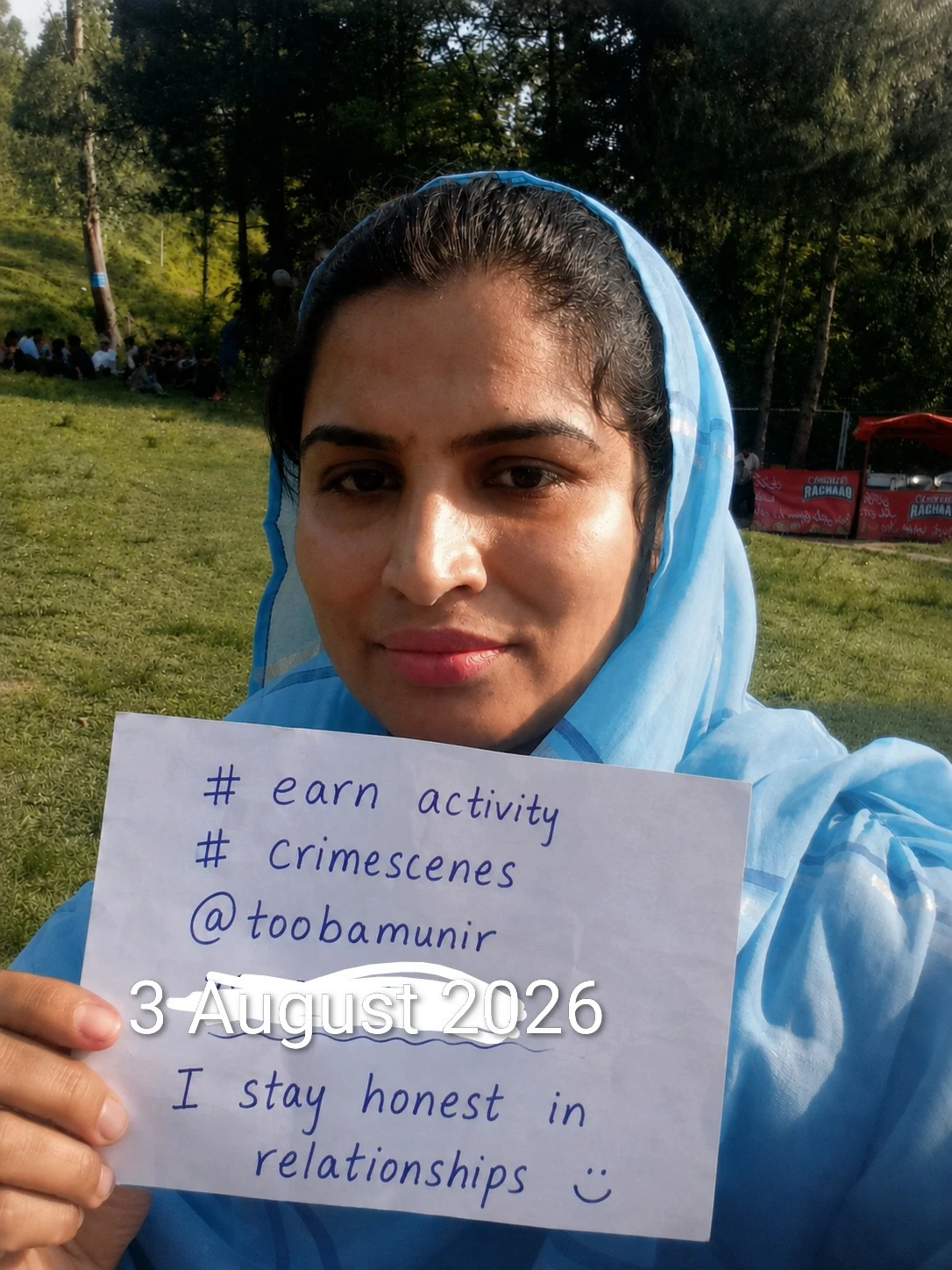
Next, write by your hands on paper. Digital write ups will not be accepted.
