#education g/league #week3 How Pepsi had the sixth-largest…

17 reactions
#education
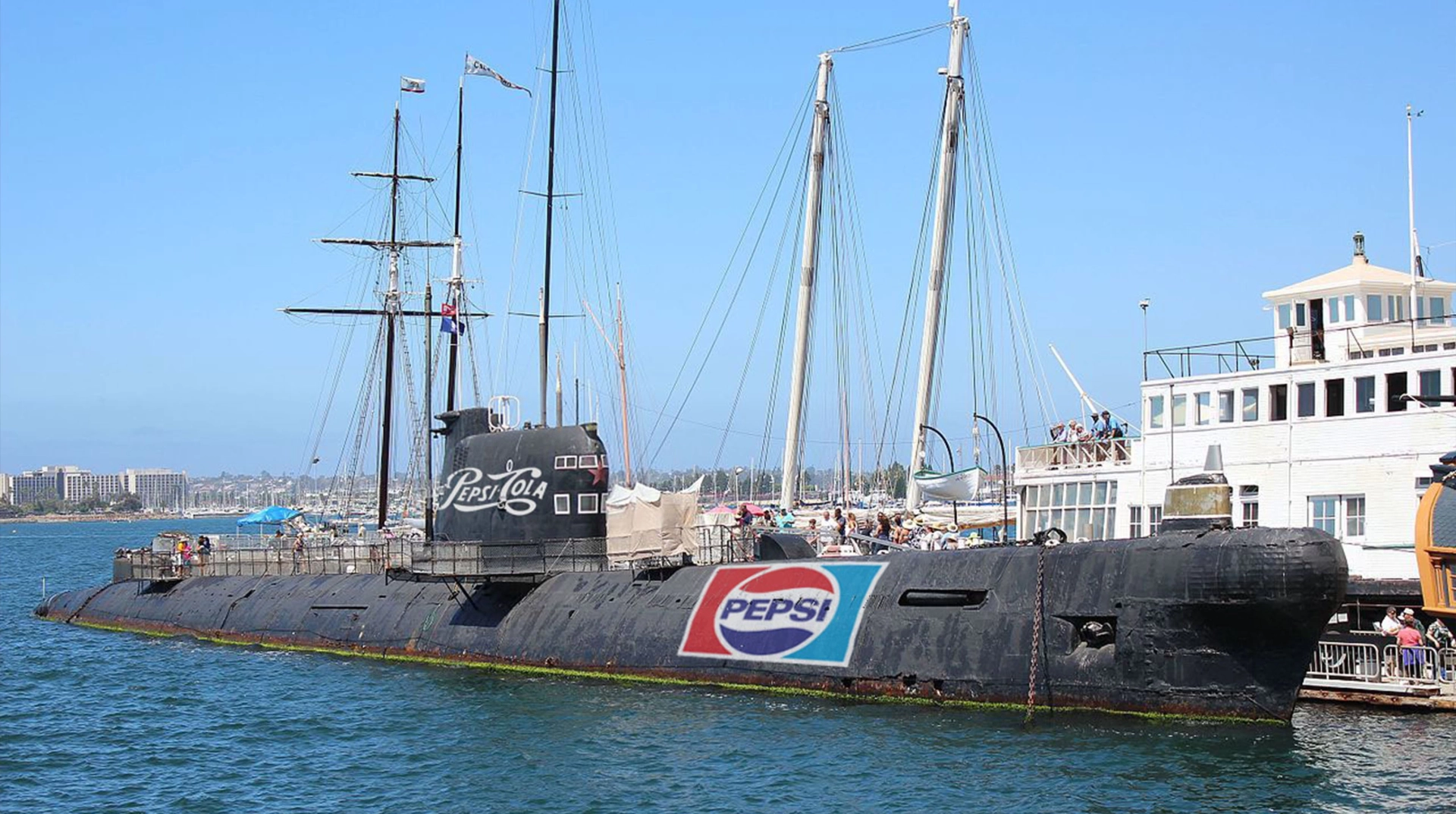
How Pepsi had the sixth-largest Navy in the world
By the late 1980s, Russians were drinking approximately a billion servings of Pepsi a year. In 1988, Pepsi broadcast the first paid commercials on local TV, starring none other than Michael Jackson. Soviet rubles were worthless internationally, with their value determined by the Kremlin. Soviet law also prohibited taking the currency abroad. So the USSR and Pepsi resorted to barter. In return for cola, Pepsi received Stolichnaya vodka to distribute in the United States. The bartering worked well—Stolichnaya was popular in the United States. An American boycott in response to the Soviet-Afghan war, however, meant that Pepsi needed something else to trade.
So, in the spring of 1989, Pepsi and the Soviet Union signed a remarkable deal. Pepsi became the middleman for 17 old submarines and three warships, including a frigate, a cruiser, and a destroyer, which the company sold for scrap. Pepsi also bought new Soviet oil tankers and leased them out or sold them in partnership with a Norwegian company. In return, the company could more than double the number of Pepsi plants in the Soviet Union. (It also ignited jokes that Pepsi was taking the Cola Wars to the high seas.) “We’re disarming the Soviet Union faster than you are,” Kendall quipped to Brent Scowcroft, President George Bush’s national security adviser.
How Pepsi had the sixth-largest Navy in the world
By the late 1980s, Russians were drinking approximately a billion servings of Pepsi a year. In 1988, Pepsi broadcast the first paid commercials on local TV, starring none other than Michael Jackson. Soviet rubles were worthless internationally, with their value determined by the Kremlin. Soviet law also prohibited taking the currency abroad. So the USSR and Pepsi resorted to barter. In return for cola, Pepsi received Stolichnaya vodka to distribute in the United States. The bartering worked well—Stolichnaya was popular in the United States. An American boycott in response to the Soviet-Afghan war, however, meant that Pepsi needed something else to trade.
So, in the spring of 1989, Pepsi and the Soviet Union signed a remarkable deal. Pepsi became the middleman for 17 old submarines and three warships, including a frigate, a cruiser, and a destroyer, which the company sold for scrap. Pepsi also bought new Soviet oil tankers and leased them out or sold them in partnership with a Norwegian company. In return, the company could more than double the number of Pepsi plants in the Soviet Union. (It also ignited jokes that Pepsi was taking the Cola Wars to the high seas.) “We’re disarming the Soviet Union faster than you are,” Kendall quipped to Brent Scowcroft, President George Bush’s national security adviser.


8

4

1
| 468,000 mlx | |
| 59 | |
| 17 |
