#FunFacts #Challenge 🤔 🗯️ 6,750,000 #millix in prizes…

14 reactions
#FunFacts #Challenge 🤔 🗯️
6,750,000 #millix in prizes
Subject: Our #SolarSystem 🪐🌌🌕☄️
🧠 Comment Below with a cool, interesting, thought-provoking, or just plain fact about our #SolarSystem . You must include an image or video!
🌀 We will spin the wheel from all the submissions and pay the winners this time, this day, next week!
ℹ️ RULES: You must have a verification badge PLUS a Purchased badge from the marketplace.
1st Place #earn 3,000,000 #millix
2ndPlace #earn 2,000,000 #millix
3rd Place #earn 1,000,000 #millix
4th Place #earn 500,000 #millix
5th Place #earn 250,000 #millix
6,750,000 #millix in prizes
Subject: Our #SolarSystem 🪐🌌🌕☄️
🧠 Comment Below with a cool, interesting, thought-provoking, or just plain fact about our #SolarSystem . You must include an image or video!
🌀 We will spin the wheel from all the submissions and pay the winners this time, this day, next week!
ℹ️ RULES: You must have a verification badge PLUS a Purchased badge from the marketplace.
1st Place #earn 3,000,000 #millix
2ndPlace #earn 2,000,000 #millix
3rd Place #earn 1,000,000 #millix
4th Place #earn 500,000 #millix
5th Place #earn 250,000 #millix



10

1

1

1
| 246,000 mlx | |
| 63 | |
| 14 |
comments

The Sun accounts for more than 99% of the mass of the solar system. If you combined the mass of everything in the solar system, the Sun would account for more than 99 percent of that mass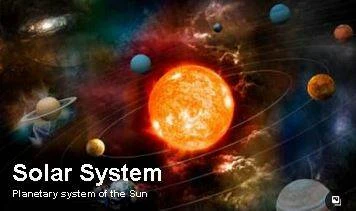


There are many planetary systems in the universe, with planets orbiting host stars. Our planetary system is called “the solar system” because we use the word “solar” to describe things related to our star, after the Latin word for Sun, "solis."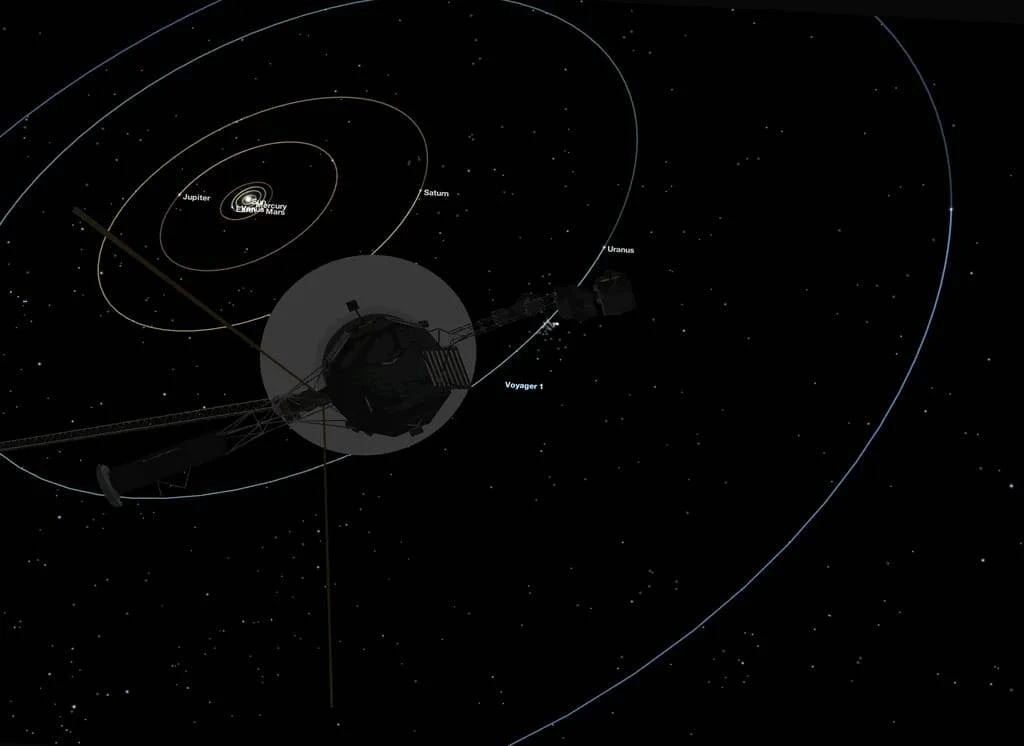
Our solar system extends much farther than the eight planets that orbit the Sun. The solar system also includes the Kuiper Belt that lies past Neptune's orbit. This is a sparsely occupied ring of icy bodies, almost all smaller than the most popular Kuiper Belt Object – dwarf planet Pluto.
Beyond the fringes of the Kuiper Belt is the Oort Cloud. This giant spherical shell surrounds our solar system. It has never been directly observed, but its existence is predicted based on mathematical models and observations of comets that likely originate there.
The Oort Cloud is made of icy pieces of space debris - some bigger than mountains – orbiting our Sun as far as 1.6 light-years away. This shell of material is thick, extending from 5,000 astronomical units to 100,000 astronomical units. One astronomical unit (or AU) is the distance from the Sun to Earth, or about 93 million miles (150 million kilometers). The Oort Cloud is the boundary of the Sun's gravitational influence, where orbiting objects can turn around and return closer to our Sun.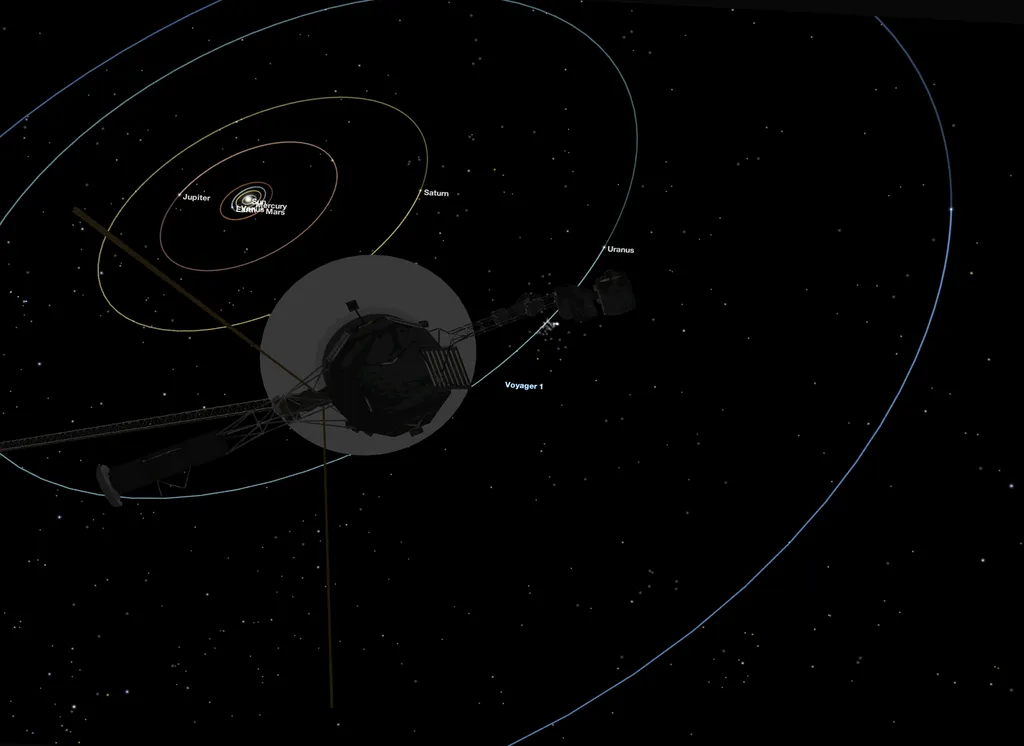
Beyond the fringes of the Kuiper Belt is the Oort Cloud. This giant spherical shell surrounds our solar system. It has never been directly observed, but its existence is predicted based on mathematical models and observations of comets that likely originate there.
The Oort Cloud is made of icy pieces of space debris - some bigger than mountains – orbiting our Sun as far as 1.6 light-years away. This shell of material is thick, extending from 5,000 astronomical units to 100,000 astronomical units. One astronomical unit (or AU) is the distance from the Sun to Earth, or about 93 million miles (150 million kilometers). The Oort Cloud is the boundary of the Sun's gravitational influence, where orbiting objects can turn around and return closer to our Sun.
I love facts that explain how unique is our planet! ❤️ Here is one I found: A factor that makes our solar system unique is the location of the giant outer planets that have almost circular orbits and pose no gravitational threat to the inner terrestrial planets. Instead, the outer planets fulfill the protective function of absorbing and deflecting dangerous objects. “Asteroids and comets hit us but not excessively so, thanks to the presence of giant gas planets such as Jupiter beyond us,” explain scientists Peter D. Ward and Donald Brownlee in their book Rare Earth—Why Complex Life Is Uncommon in the Universe. Other solar systems with giant planets have been discovered. But most of these giants have orbits that would endanger a smaller earthlike planet.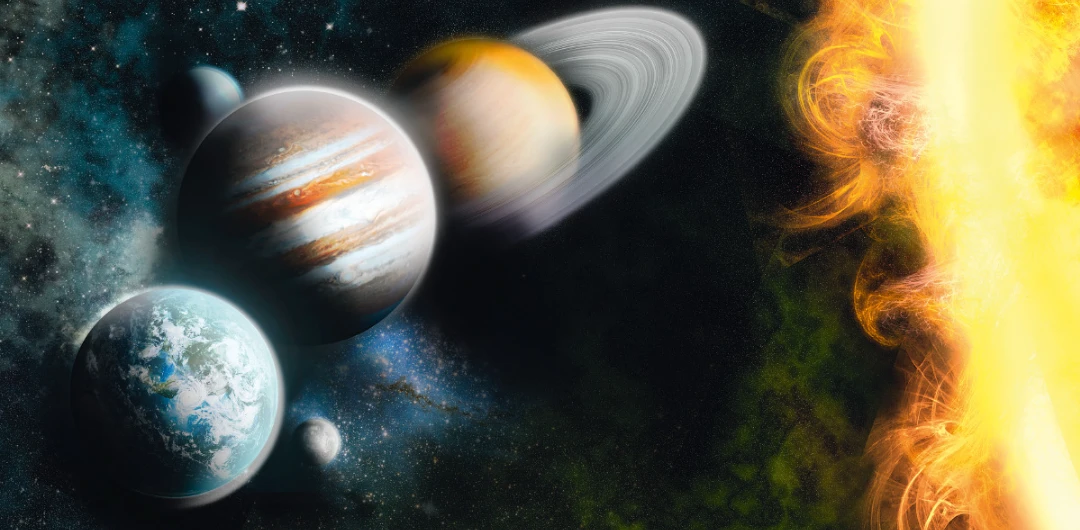
URANUS SPINS SIDEWAYS
Uranus usually appears in classroom solar system models as a featureless blue ball, but this gas giant of the outer solar system is pretty weird on closer inspection. First, the planet rotates on its side, appearing to roll around the sun like a ball, according to NASA's Uranus guide. The most likely explanation for the planet's unusual orientation (about 90 degrees sideways compared to the other planets) is that it underwent some sort of titanic collision in the ancient past.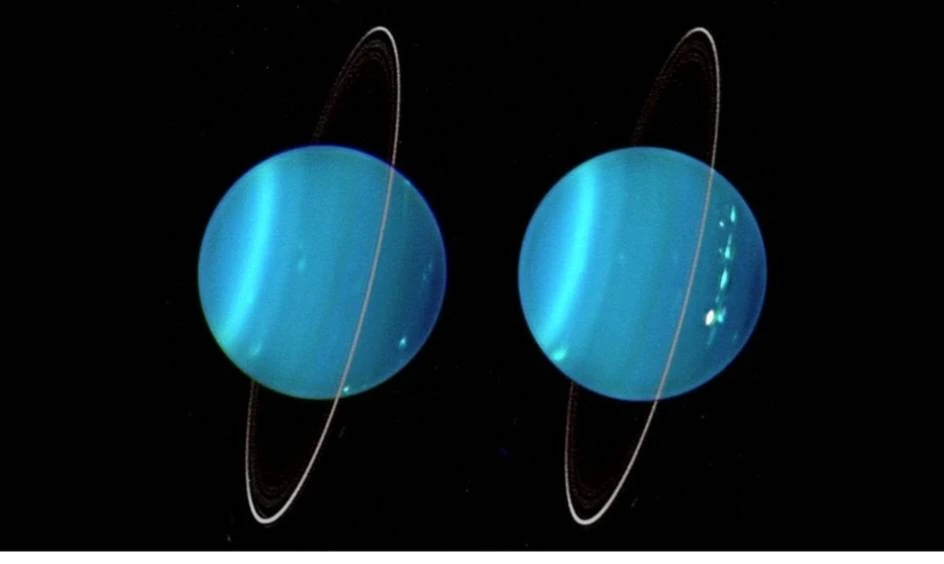
Uranus usually appears in classroom solar system models as a featureless blue ball, but this gas giant of the outer solar system is pretty weird on closer inspection. First, the planet rotates on its side, appearing to roll around the sun like a ball, according to NASA's Uranus guide. The most likely explanation for the planet's unusual orientation (about 90 degrees sideways compared to the other planets) is that it underwent some sort of titanic collision in the ancient past.

The Moon has no atmosphere, which means there are no winds blowing over its surface.
No wind means that there is nothing, apart from impacts with asteroids and meteorites, to remove marks on the surface. This makes the Moon a sort of time capsule.
Objects that land on it can sit there, undisturbed, for millions and millions of years. The footprints of the Apollo 11 astronauts, Neil Armstrong and Buzz Aldrin, will just sit there unless an impact destroys them.
He's just like me! #solarsystem
No wind means that there is nothing, apart from impacts with asteroids and meteorites, to remove marks on the surface. This makes the Moon a sort of time capsule.
Objects that land on it can sit there, undisturbed, for millions and millions of years. The footprints of the Apollo 11 astronauts, Neil Armstrong and Buzz Aldrin, will just sit there unless an impact destroys them.
He's just like me! #solarsystem
The solar system is part of the Milky Way, There are at least between 250 to 500 billion stars in our Milky Way galaxy – there might even be more. That’s at least 30 times more stars in The Milky Way than there are people on Earth.
There are over 700 known systems of planets orbiting stars.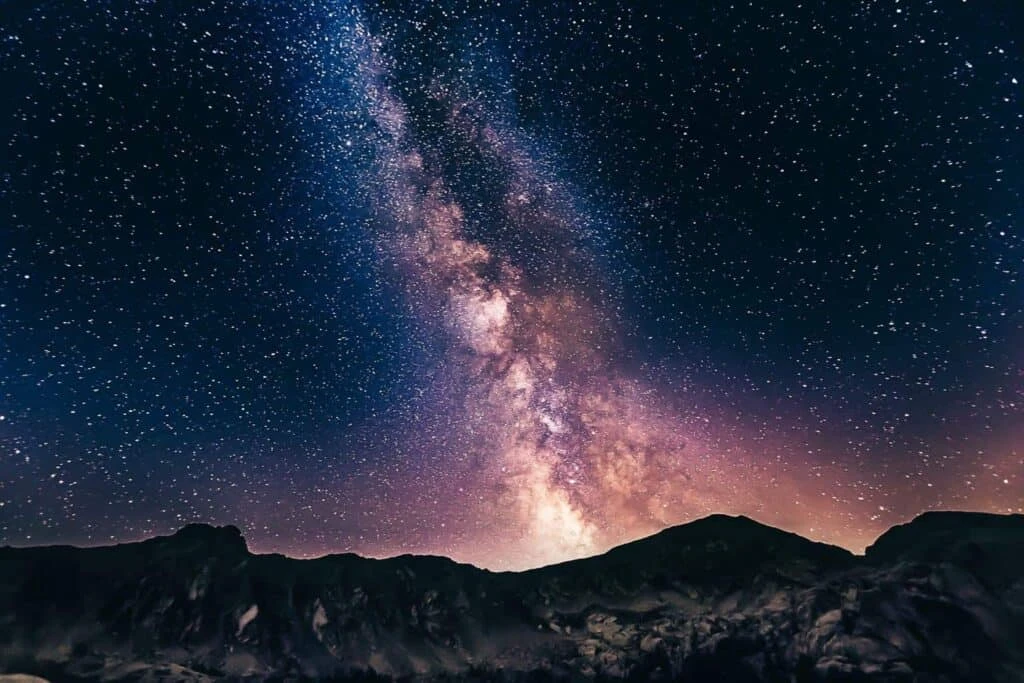
There are over 700 known systems of planets orbiting stars.

The universe is filled with billions of star systems. Located inside galaxies, these cosmic arrangements are made up of at least one star and all the objects that travel around it, including planets, dwarf planets, moons, asteroids, comets, and meteoroids. The star system we’re most familiar with, of course, is our own.
our cosmic neighborhood includes the eight major planets. The closest to the sun is Mercury, followed by Venus, Earth, and Mars. These are known as terrestrial planets, because they’re solid and rocky. Beyond the orbit of Mars, you’ll find the main asteroid belt, a region of space rocks left over from the formation of the planets. Next come the much bigger gas giants Jupiter and Saturn, which is known for its large ring systems made of ice, rock, or both. Farther out are the ice giants Uranus and Neptune. Beyond that, a host of smaller icy worlds congregate in an enormous stretch of space called the Kuiper Belt. Perhaps the most famous resident there is Pluto. Once considered the ninth planet, Pluto is now officially classified as a dwarf planet, along with three other Kuiper Belt objects and Ceres in the asteroid belt.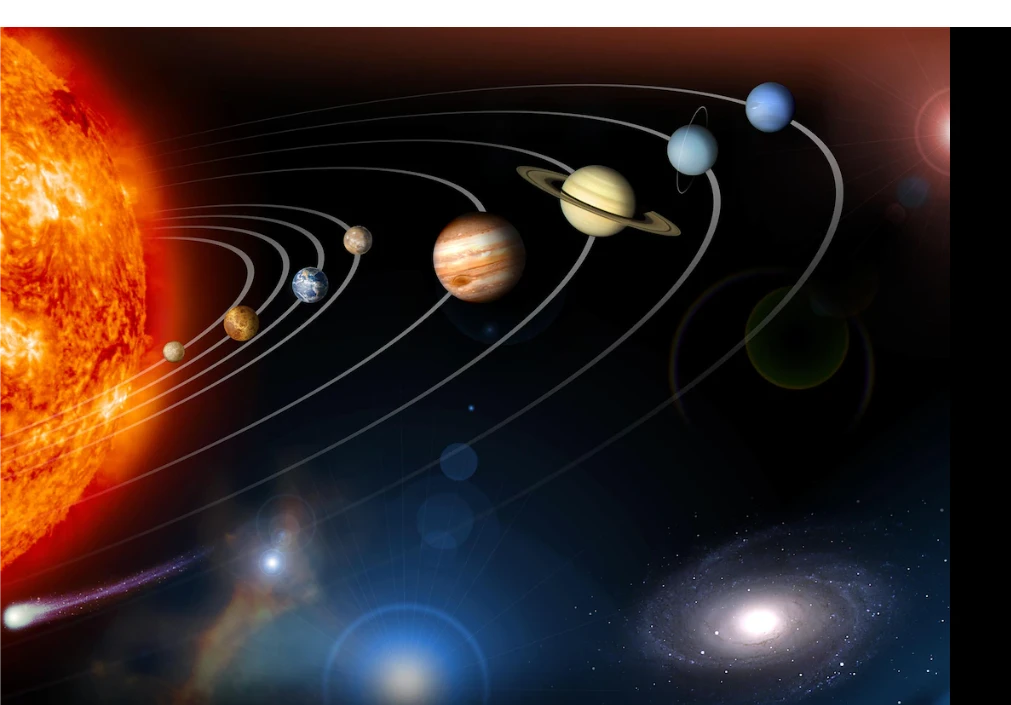
our cosmic neighborhood includes the eight major planets. The closest to the sun is Mercury, followed by Venus, Earth, and Mars. These are known as terrestrial planets, because they’re solid and rocky. Beyond the orbit of Mars, you’ll find the main asteroid belt, a region of space rocks left over from the formation of the planets. Next come the much bigger gas giants Jupiter and Saturn, which is known for its large ring systems made of ice, rock, or both. Farther out are the ice giants Uranus and Neptune. Beyond that, a host of smaller icy worlds congregate in an enormous stretch of space called the Kuiper Belt. Perhaps the most famous resident there is Pluto. Once considered the ninth planet, Pluto is now officially classified as a dwarf planet, along with three other Kuiper Belt objects and Ceres in the asteroid belt.

Some facts about the solar system
The solar system is really, really big. ...
Even just our neighborhood is really, really big. ...
Uranus spins sideways. ...
Jupiter's moon Io has towering volcanic eruptions. ...
Mars boasts a volcano bigger than the entire state of Hawaii.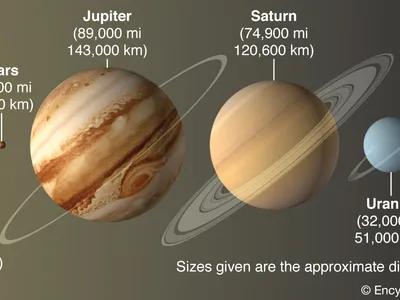
The solar system is really, really big. ...
Even just our neighborhood is really, really big. ...
Uranus spins sideways. ...
Jupiter's moon Io has towering volcanic eruptions. ...
Mars boasts a volcano bigger than the entire state of Hawaii.
The planets of the solar system were lined up in the sky Wednesday night in an astronomical phenomenon, visible from Earth, known as a "planet parade."
The phenomenon, which was also visible Tuesday night, gave skywatchers a good view of Mercury, Venus, Mars, Jupiter and Saturn with the naked eye. With a pair of binoculars or a telescope, Uranus and Neptune could also be seen.
The planet parade is not an extremely rare occurrence — it tends to happen at least every couple of years. In fact, the eight-planet alignment last happened in June..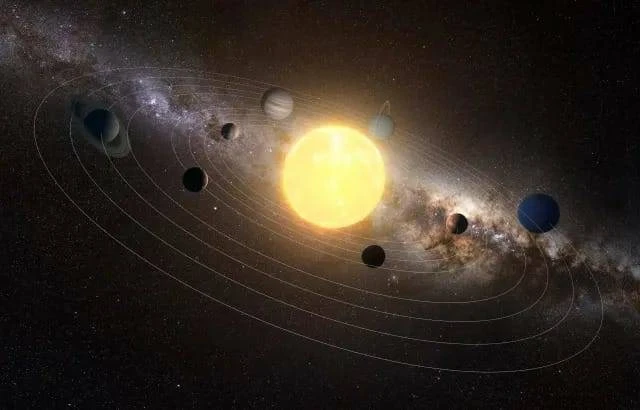
The phenomenon, which was also visible Tuesday night, gave skywatchers a good view of Mercury, Venus, Mars, Jupiter and Saturn with the naked eye. With a pair of binoculars or a telescope, Uranus and Neptune could also be seen.
The planet parade is not an extremely rare occurrence — it tends to happen at least every couple of years. In fact, the eight-planet alignment last happened in June..
To us everything seems normal. Our planet, blue and bursting with life, sits in the middle of the “habitable zone” around the Sun, with burning hot Venus inwards and lifeless Mars beyond. Giant gas planets exist way farther out.
That’s as how it should be, right? Not at all. Two new studies published (here and here) in the scientific journal reveal that our solar system is, in fact, in a class of its own..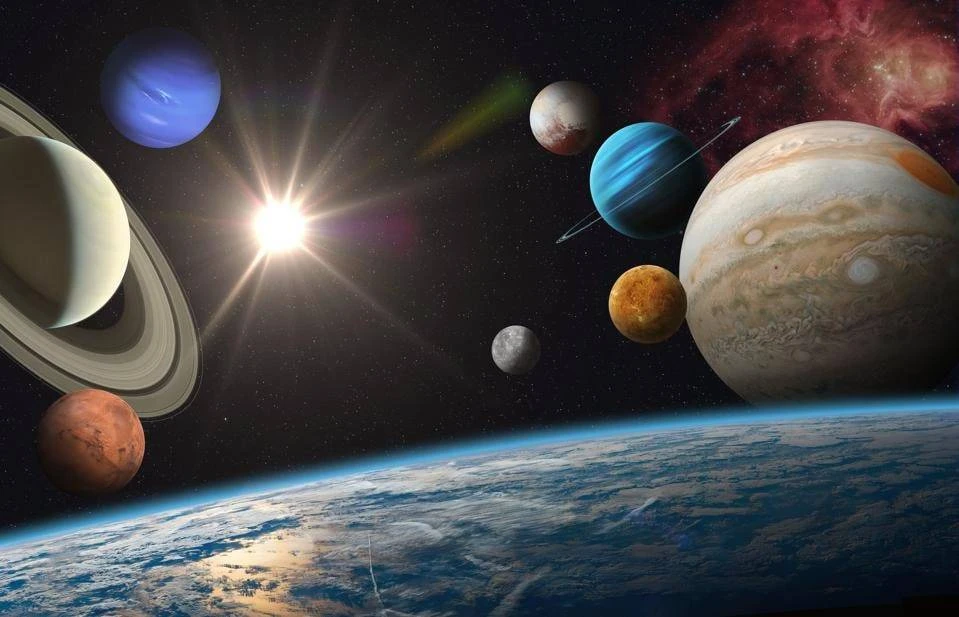
That’s as how it should be, right? Not at all. Two new studies published (here and here) in the scientific journal reveal that our solar system is, in fact, in a class of its own..

NASA's Voyager 1 spacecraft was launched in 1977. More than three decades later, in 2012, it became the first human-made object to enter interstellar space by crossing the heliopause, or the edge of the heliosphere. That's the boundary beyond which most of the sun's ejected particles and magnetic fields dissipate.
But, according to NASA, "if we define our solar system as the Sun and everything that primarily orbits the Sun, Voyager 1 will remain within the confines of the solar system until it emerges from the Oort cloud in another 14,000 to 28,000 years."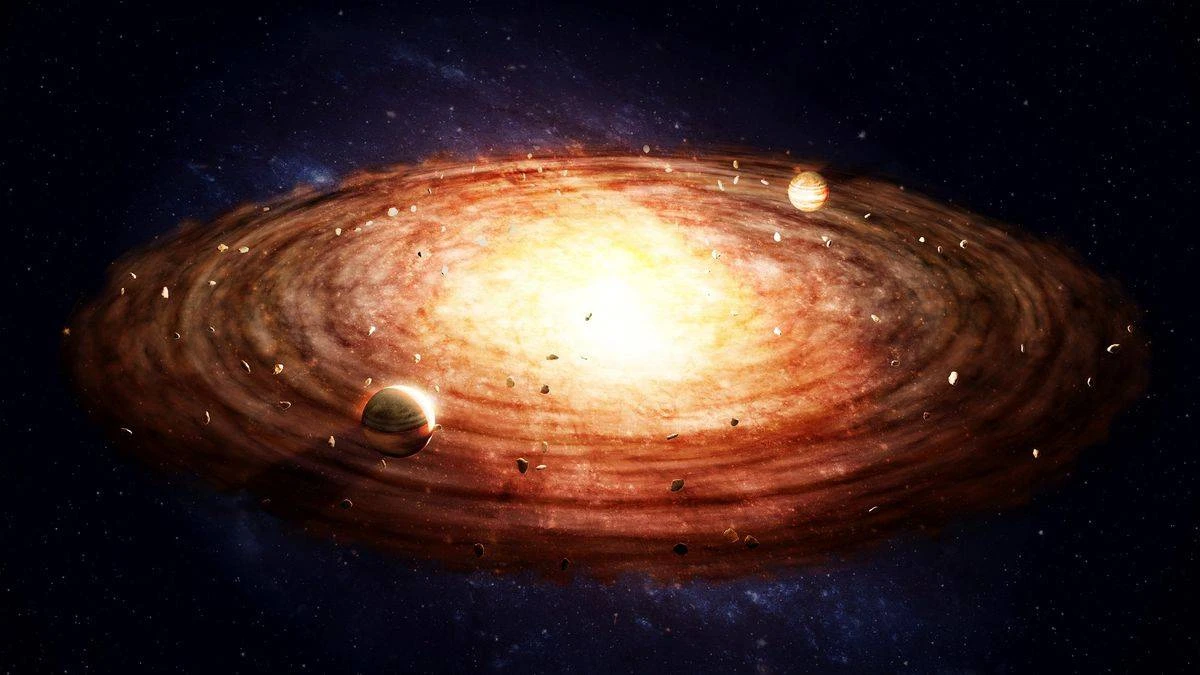
But, according to NASA, "if we define our solar system as the Sun and everything that primarily orbits the Sun, Voyager 1 will remain within the confines of the solar system until it emerges from the Oort cloud in another 14,000 to 28,000 years."
The point at which the Solar System ends and interstellar space begins is not precisely defined because its outer boundaries are shaped by two forces, the solar wind and the Sun's gravity. The limit of the solar wind's influence is roughly four times Pluto's distance from the Sun; this heliopause, the outer boundary of the heliosphere, is considered the beginning of the interstellar medium. The Sun's Hill sphere, the effective range of its gravitational dominance, is thought to extend up to a thousand times farther and encompasses the hypothetical Oort cloud.
ILLUSTRATION - Artistic depiction of the Solar System's heliosphere.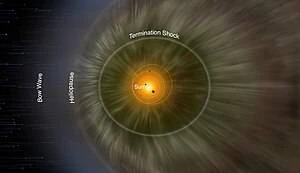
ILLUSTRATION - Artistic depiction of the Solar System's heliosphere.
The inner Solar System is the region comprising the terrestrial planets and the asteroid belt. Composed mainly of silicates and metals, the objects of the inner Solar System are relatively close to the Sun; the radius of this entire region is less than the distance between the orbits of Jupiter and Saturn. This region is also within the frost line, which is a little less than 5 AU (750
million km; 460 million mi) from the Sun.
Image: Overview of the Inner Solar System up to the Jovian System.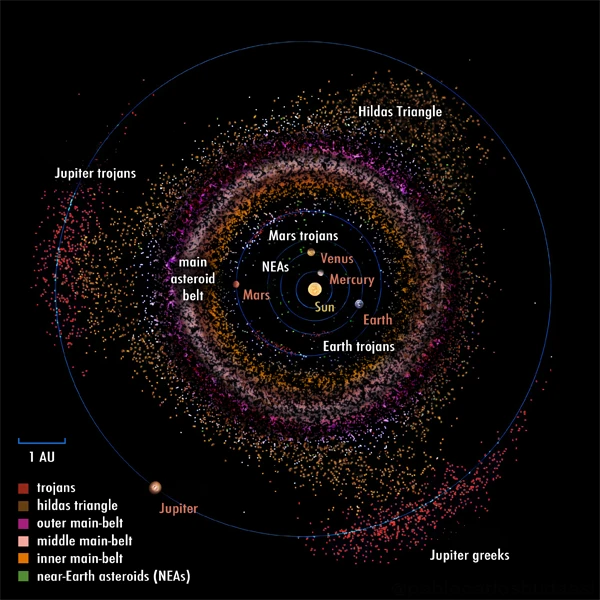
million km; 460 million mi) from the Sun.
Image: Overview of the Inner Solar System up to the Jovian System.
The Solar System is the gravitationally bound system of the Sun and the objects that orbit it. The largest eight objects, which form a planetary system, are, in order of distance from the Sun: four terrestrial planets, Mercury, Venus, Earth and Mars; and four giant planets which include two gas giants, Jupiter and Saturn, and two ice giants, Uranus and Neptune. The terrestrial planets, which all have a definite surface, are mostly made of rock and metal. The gas giants are mostly made of hydrogen and helium, while the ice giants are mostly made of volatile substances such as water, ammonia, and methane. The terrestrial planets are also called the inner Solar System and the giant planets the outer Solar System.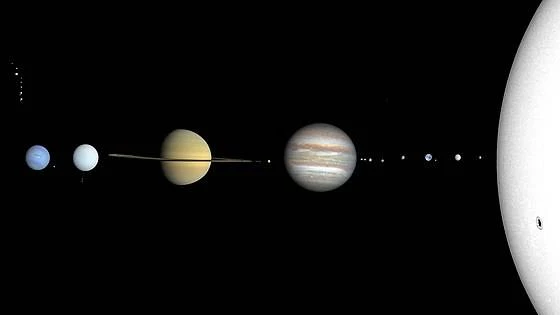

The Solar System was formed 4.6 billion years ago from a cloud of gas and dust called the solar nebula.
A shock wave from a nearby supernova (big star) explosion probably started it.
The Sun formed in the center, and the planets formed around it.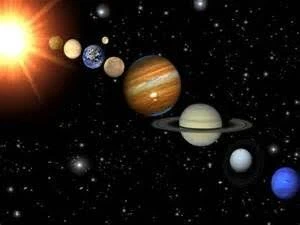
A shock wave from a nearby supernova (big star) explosion probably started it.
The Sun formed in the center, and the planets formed around it.