Profiting from Cryptocurrency Spot Trading: The Ultimate…

3 reactions
Profiting from Cryptocurrency Spot Trading: The Ultimate 10,000+ Word Guide
Table of Contents
Introduction to Spot Trading
Choosing the Right Exchange
Understanding Market Mechanics
Tools and Indicators for Spot Trading
Developing a Winning Strategy
Managing Risk in Spot Trading
Case Studies and Real Examples
Using Data and Charts to Improve Accuracy
Common Mistakes and How to Avoid Them
Tax Implications and Legal Considerations
Resources and Platforms
Conclusion
1. Introduction to Spot Trading
Spot trading is the most fundamental form of crypto trading where traders buy and sell cryptocurrencies at real-time prices, taking immediate ownership of the asset. Unlike futures or margin trading, there's no borrowing or contract agreement; you own what you buy instantly.
Table 1: Comparison of Spot vs. Futures vs. Margin Trading
FeatureSpot TradingMargin TradingFutures TradingOwnershipYesYes (via leverage)No (contract only)LeverageNoYesYesSettlement TimeImmediateImmediateFuture dateRisk LevelMediumHighVery High
Image: Overview of Cryptocurrency Market Types
2. Choosing the Right Exchange
Selecting a secure and efficient exchange is the foundation of successful spot trading.
Key Features to Consider
Security: Ensure the platform uses cold storage, 2FA, and has no history of hacks.
Trading Fees: Lower fees maximize your profit margins.
Liquidity: High liquidity means tighter spreads and faster order execution.
User Interface: A user-friendly interface reduces errors and boosts efficiency.
Customer Support: Critical in case of technical issues or fund delays.
Table 2: Top Crypto Exchanges Compared
ExchangeSecurity RatingAvg. FeeSupported CoinsLiquidity RankBinanceA+0.1%350+1KrakenA0.26%200+4CoinbaseA-0.5%150+2
Image: Binance Trading Dashboard
3. Understanding Market Mechanics
To profit in spot trading, it’s essential to grasp how order books, spreads, and liquidity work.
How Spot Markets Work
Spot markets operate via an order book system where buyers and sellers place bids and asks.
Key Concepts:
Bid-Ask Spread: The difference between the highest price a buyer is willing to pay and the lowest price a seller will accept.
Market Order: Executes immediately at current price.
Limit Order: Executes only at a specific price.
Chart: Real-Time Order Book Example
4. Tools and Indicators for Spot Trading
Technical tools help traders make data-driven decisions.
Must-Have Tools
Moving Averages (MA)
Relative Strength Index (RSI)
MACD (Moving Average Convergence Divergence)
Fibonacci Retracement Levels
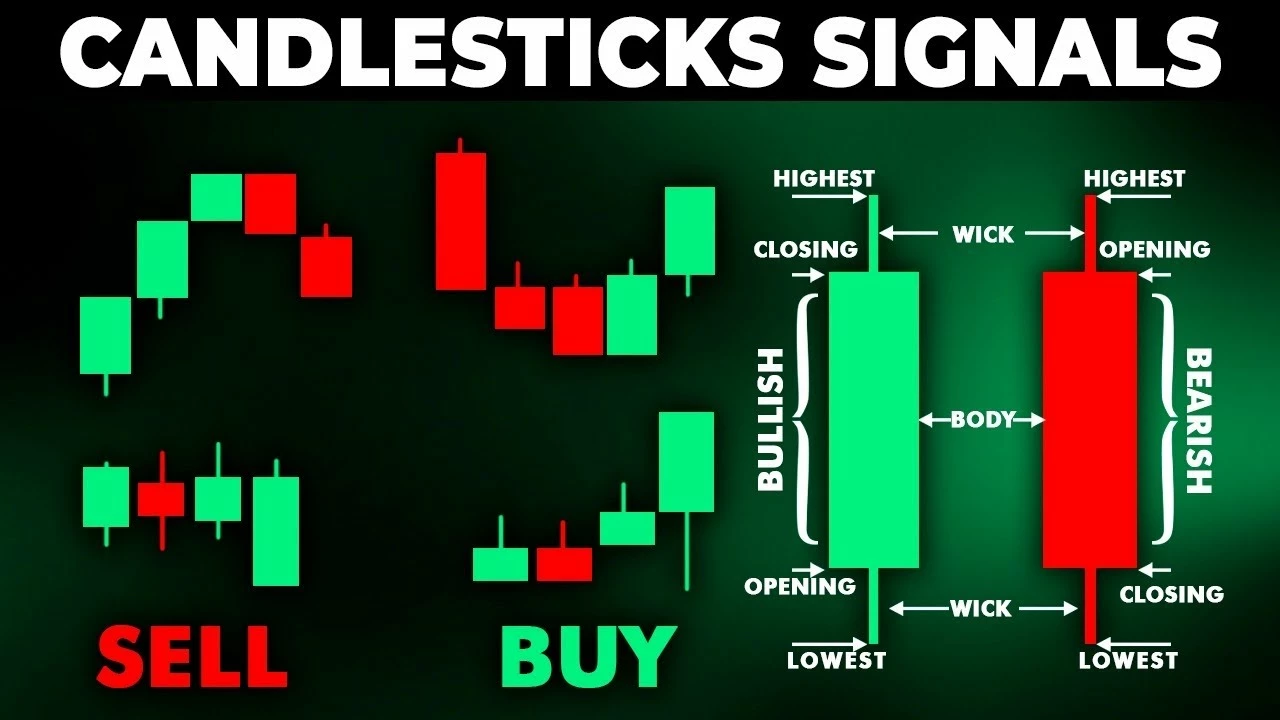
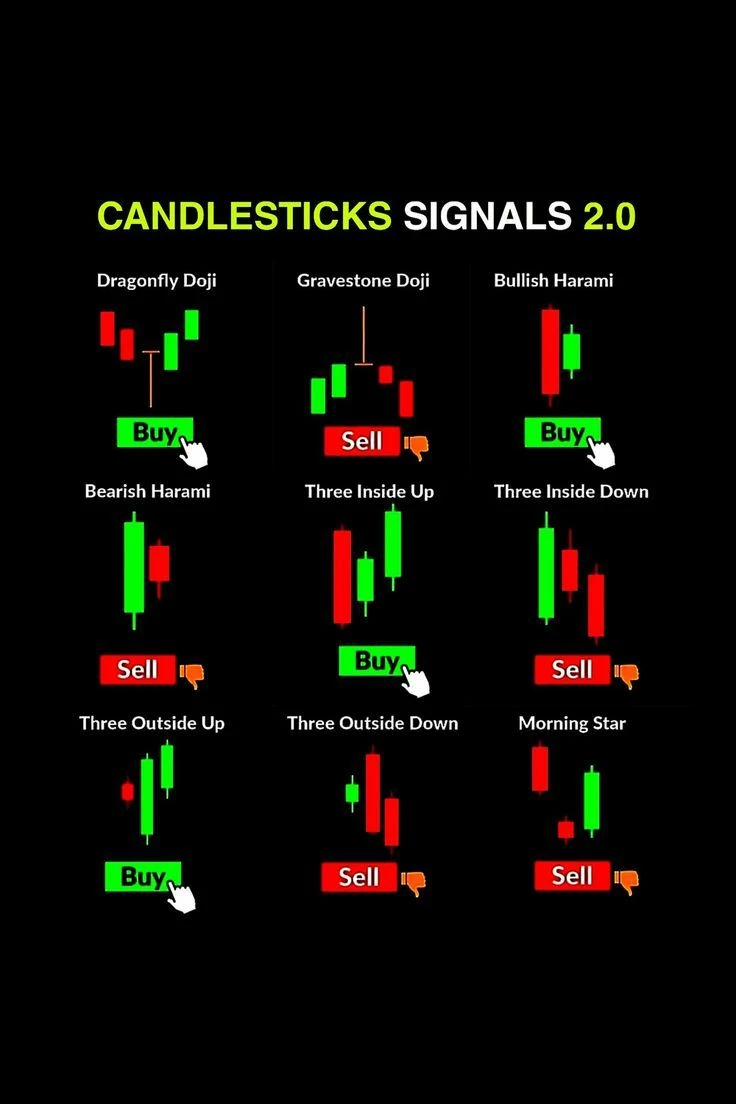
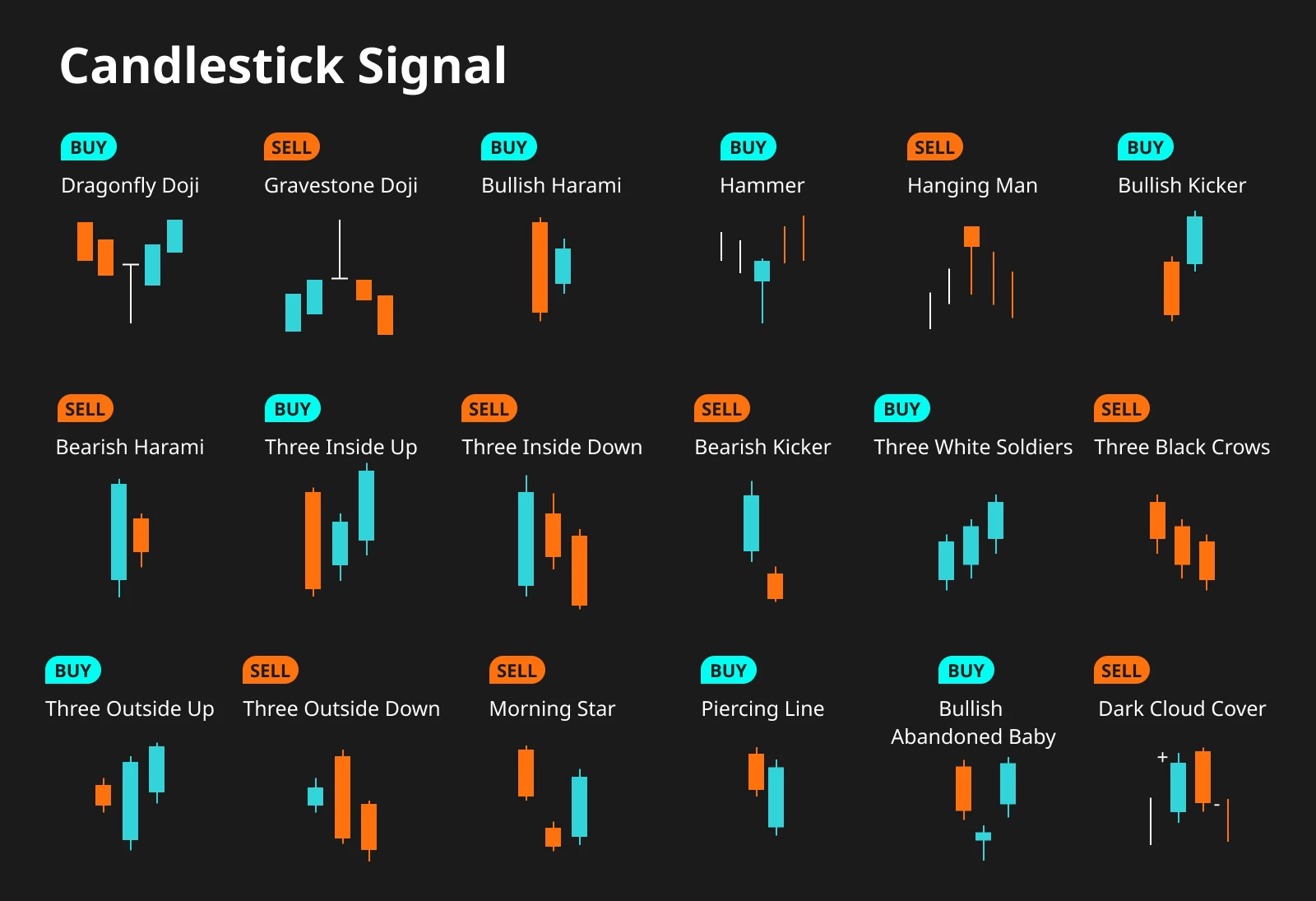
Chart: Sample Technical Analysis on BTC/USDT
5. Developing a Winning Strategy
Types of Strategies
Day Trading: Multiple trades per day.
Swing Trading: Hold positions for days or weeks.
HODLing: Buy and hold long-term.
Scalping: Dozens of trades within minutes or hours.
Dollar Cost Averaging (DCA)
An effective long-term strategy. Invest a fixed amount at regular intervals.
Table 3: DCA vs Lump Sum Investment Comparison
StrategyAverage Buy PriceVolatility RiskEmotional StressDCALower Over TimeMediumLowLump SumHigher If EarlyHighHigh6. Managing Risk in Spot Trading
Tips for Risk Management
Never invest more than you can lose
Use stop-loss and take-profit orders
Diversify your portfolio
Avoid trading during high-volatility news events
Chart: Portfolio Diversification Example
7. Case Studies and Real Examples
Case Study: $1,000 to $4,200 in 12 Months
Trader: Alice
Method: Swing trading top 10 coins with DCA
Tools Used: TradingView, CoinMarketCap alerts
Result: Average 22% quarterly return, ending at $4,200.
Loss Scenario: Ignoring Stop-Loss
Trader: Bob
Error: Held onto a tanking altcoin, lost 70%
Lesson: Always apply stop-loss.
8. Using Data and Charts to Improve Accuracy
Sources of Reliable Market Data
CoinMarketCap
CoinGecko
Glassnode
Santiment
Chart: BTC Volatility Index (2021-2024)
9. Common Mistakes and How to Avoid Them
Mistakes
Overtrading
Ignoring fundamentals
Emotional decisions
Not tracking trades
Solutions
Stick to a strategy
Keep a trading journal
Use automated alerts
Image: Emotional Cycle of a Trader
10. Tax Implications and Legal Considerations
Crypto Tax Basics
Capital Gains Tax: Applies to profits made.
rHolding Period Matters: Long-term vs short-term tax rates.
Track Everything: Use tools like CoinTracker or Koinly.
Legal Tips
Use KYC-verified platforms
Stay updated on regional crypto laws
Table 4: Crypto Tax Rates by Country
CountryShort-Term GainsLong-Term GainsUSA10–37%0–20%GermanyTax-free after 1 yearTax-freeAustralia19–45%0–23%11. Resources and Platforms
Top Platforms
Binance
https://accounts.binance.info/register?ref=18282102
Kraken
Coinbase
KuCoin
Learning Resources
Investopedia
Bitpanda Academy
BabyPips Crypto Section
Image: Recommended Learning Platform
12. Conclusion
Spot trading is a powerful way to profit from the cryptocurrency market when approached with the right tools, discipline, and mindset. Whether you're a beginner or experienced investor, a consistent strategy, risk management, and continued learning are key to long-term success.
Final Tips:
Stay updated on market trends.
Keep emotions in check.
Continuously evaluate and refine your strategy.
Happy trading!
Table of Contents
Introduction to Spot Trading
Choosing the Right Exchange
Understanding Market Mechanics
Tools and Indicators for Spot Trading
Developing a Winning Strategy
Managing Risk in Spot Trading
Case Studies and Real Examples
Using Data and Charts to Improve Accuracy
Common Mistakes and How to Avoid Them
Tax Implications and Legal Considerations
Resources and Platforms
Conclusion
1. Introduction to Spot Trading
Spot trading is the most fundamental form of crypto trading where traders buy and sell cryptocurrencies at real-time prices, taking immediate ownership of the asset. Unlike futures or margin trading, there's no borrowing or contract agreement; you own what you buy instantly.
Table 1: Comparison of Spot vs. Futures vs. Margin Trading
FeatureSpot TradingMargin TradingFutures TradingOwnershipYesYes (via leverage)No (contract only)LeverageNoYesYesSettlement TimeImmediateImmediateFuture dateRisk LevelMediumHighVery High
Image: Overview of Cryptocurrency Market Types
2. Choosing the Right Exchange
Selecting a secure and efficient exchange is the foundation of successful spot trading.
Key Features to Consider
Security: Ensure the platform uses cold storage, 2FA, and has no history of hacks.
Trading Fees: Lower fees maximize your profit margins.
Liquidity: High liquidity means tighter spreads and faster order execution.
User Interface: A user-friendly interface reduces errors and boosts efficiency.
Customer Support: Critical in case of technical issues or fund delays.
Table 2: Top Crypto Exchanges Compared
ExchangeSecurity RatingAvg. FeeSupported CoinsLiquidity RankBinanceA+0.1%350+1KrakenA0.26%200+4CoinbaseA-0.5%150+2
Image: Binance Trading Dashboard
3. Understanding Market Mechanics
To profit in spot trading, it’s essential to grasp how order books, spreads, and liquidity work.
How Spot Markets Work
Spot markets operate via an order book system where buyers and sellers place bids and asks.
Key Concepts:
Bid-Ask Spread: The difference between the highest price a buyer is willing to pay and the lowest price a seller will accept.
Market Order: Executes immediately at current price.
Limit Order: Executes only at a specific price.
Chart: Real-Time Order Book Example
4. Tools and Indicators for Spot Trading
Technical tools help traders make data-driven decisions.
Must-Have Tools
Moving Averages (MA)
Relative Strength Index (RSI)
MACD (Moving Average Convergence Divergence)
Fibonacci Retracement Levels
Chart: Sample Technical Analysis on BTC/USDT
5. Developing a Winning Strategy
Types of Strategies
Day Trading: Multiple trades per day.
Swing Trading: Hold positions for days or weeks.
HODLing: Buy and hold long-term.
Scalping: Dozens of trades within minutes or hours.
Dollar Cost Averaging (DCA)
An effective long-term strategy. Invest a fixed amount at regular intervals.
Table 3: DCA vs Lump Sum Investment Comparison
StrategyAverage Buy PriceVolatility RiskEmotional StressDCALower Over TimeMediumLowLump SumHigher If EarlyHighHigh6. Managing Risk in Spot Trading
Tips for Risk Management
Never invest more than you can lose
Use stop-loss and take-profit orders
Diversify your portfolio
Avoid trading during high-volatility news events
Chart: Portfolio Diversification Example
7. Case Studies and Real Examples
Case Study: $1,000 to $4,200 in 12 Months
Trader: Alice
Method: Swing trading top 10 coins with DCA
Tools Used: TradingView, CoinMarketCap alerts
Result: Average 22% quarterly return, ending at $4,200.
Loss Scenario: Ignoring Stop-Loss
Trader: Bob
Error: Held onto a tanking altcoin, lost 70%
Lesson: Always apply stop-loss.
8. Using Data and Charts to Improve Accuracy
Sources of Reliable Market Data
CoinMarketCap
CoinGecko
Glassnode
Santiment
Chart: BTC Volatility Index (2021-2024)
9. Common Mistakes and How to Avoid Them
Mistakes
Overtrading
Ignoring fundamentals
Emotional decisions
Not tracking trades
Solutions
Stick to a strategy
Keep a trading journal
Use automated alerts
Image: Emotional Cycle of a Trader
10. Tax Implications and Legal Considerations
Crypto Tax Basics
Capital Gains Tax: Applies to profits made.
rHolding Period Matters: Long-term vs short-term tax rates.
Track Everything: Use tools like CoinTracker or Koinly.
Legal Tips
Use KYC-verified platforms
Stay updated on regional crypto laws
Table 4: Crypto Tax Rates by Country
CountryShort-Term GainsLong-Term GainsUSA10–37%0–20%GermanyTax-free after 1 yearTax-freeAustralia19–45%0–23%11. Resources and Platforms
Top Platforms
Binance
https://accounts.binance.info/register?ref=18282102
Kraken
Coinbase
KuCoin
Learning Resources
Investopedia
Bitpanda Academy
BabyPips Crypto Section
Image: Recommended Learning Platform
12. Conclusion
Spot trading is a powerful way to profit from the cryptocurrency market when approached with the right tools, discipline, and mindset. Whether you're a beginner or experienced investor, a consistent strategy, risk management, and continued learning are key to long-term success.
Final Tips:
Stay updated on market trends.
Keep emotions in check.
Continuously evaluate and refine your strategy.
Happy trading!
1/3


3
| 9,000 mlx | |
| 10 | |
| 3 |