17
1
9
0
4
218

3 reactions
Profiting from Cryptocurrency Spot Trading: The Ultimate 10,000+ Word Guide
Table of Contents
Introduction to Spot Trading
Choosing the Right Exchange
Understanding Market Mechanics
Tools and Indicators for Spot Trading
Developing a Winning Strategy
Managing Risk in Spot Trading
Case Studies and Real Examples
Using Data and Charts to Improve Accuracy
Common Mistakes and How to Avoid Them
Tax Implications and Legal Considerations
Resources and Platforms
Conclusion
1. Introduction to Spot Trading
Spot trading is the most fundamental form of crypto trading where traders buy and sell cryptocurrencies at real-time prices, taking immediate ownership of the asset. Unlike futures or margin trading, there's no borrowing or contract agreement; you own what you buy instantly.
Table 1: Comparison of Spot vs. Futures vs. Margin Trading
FeatureSpot TradingMargin TradingFutures TradingOwnershipYesYes (via leverage)No (contract only)LeverageNoYesYesSettlement TimeImmediateImmediateFuture dateRisk LevelMediumHighVery High
Image: Overview of Cryptocurrency Market Types
2. Choosing the Right Exchange
Selecting a secure and efficient exchange is the foundation of successful spot trading.
Key Features to Consider
Security: Ensure the platform uses cold storage, 2FA, and has no history of hacks.
Trading Fees: Lower fees maximize your profit margins.
Liquidity: High liquidity means tighter spreads and faster order execution.
User Interface: A user-friendly interface reduces errors and boosts efficiency.
Customer Support: Critical in case of technical issues or fund delays.
Table 2: Top Crypto Exchanges Compared
ExchangeSecurity RatingAvg. FeeSupported CoinsLiquidity RankBinanceA+0.1%350+1KrakenA0.26%200+4CoinbaseA-0.5%150+2
Image: Binance Trading Dashboard
3. Understanding Market Mechanics
To profit in spot trading, it’s essential to grasp how order books, spreads, and liquidity work.
How Spot Markets Work
Spot markets operate via an order book system where buyers and sellers place bids and asks.
Key Concepts:
Bid-Ask Spread: The difference between the highest price a buyer is willing to pay and the lowest price a seller will accept.
Market Order: Executes immediately at current price.
Limit Order: Executes only at a specific price.
Chart: Real-Time Order Book Example
4. Tools and Indicators for Spot Trading
Technical tools help traders make data-driven decisions.
Must-Have Tools
Moving Averages (MA)
Relative Strength Index (RSI)
MACD (Moving Average Convergence Divergence)
Fibonacci Retracement Levels
Chart: Sample Technical Analysis on BTC/USDT
5. Developing a Winning Strategy
Types of Strategies
Day Trading: Multiple trades per day.
Swing Trading: Hold positions for days or weeks.
HODLing: Buy and hold long-term.
Scalping: Dozens of trades within minutes or hours.
Dollar Cost Averaging (DCA)
An effective long-term strategy. Invest a fixed amount at regular intervals.
Table 3: DCA vs Lump Sum Investment Comparison
StrategyAverage Buy PriceVolatility RiskEmotional StressDCALower Over TimeMediumLowLump SumHigher If EarlyHighHigh6. Managing Risk in Spot Trading
Tips for Risk Management
Never invest more than you can lose
Use stop-loss and take-profit orders
Diversify your portfolio
Avoid trading during high-volatility news events
Chart: Portfolio Diversification Example
7. Case Studies and Real Examples
Case Study: $1,000 to $4,200 in 12 Months
Trader: Alice
Method: Swing trading top 10 coins with DCA
Tools Used: TradingView, CoinMarketCap alerts
Result: Average 22% quarterly return, ending at $4,200.
Loss Scenario: Ignoring Stop-Loss
Trader: Bob
Error: Held onto a tanking altcoin, lost 70%
Lesson: Always apply stop-loss.
8. Using Data and Charts to Improve Accuracy
Sources of Reliable Market Data
CoinMarketCap
CoinGecko
Glassnode
Santiment
Chart: BTC Volatility Index (2021-2024)
9. Common Mistakes and How to Avoid Them
Mistakes
Overtrading
Ignoring fundamentals
Emotional decisions
Not tracking trades
Solutions
Stick to a strategy
Keep a trading journal
Use automated alerts
Image: Emotional Cycle of a Trader
10. Tax Implications and Legal Considerations
Crypto Tax Basics
Capital Gains Tax: Applies to profits made.
rHolding Period Matters: Long-term vs short-term tax rates.
Track Everything: Use tools like CoinTracker or Koinly.
Legal Tips
Use KYC-verified platforms
Stay updated on regional crypto laws
Table 4: Crypto Tax Rates by Country
CountryShort-Term GainsLong-Term GainsUSA10–37%0–20%GermanyTax-free after 1 yearTax-freeAustralia19–45%0–23%11. Resources and Platforms
Top Platforms
Binance
https://accounts.binance.info/register?ref=18282102
Kraken
Coinbase
KuCoin
Learning Resources
Investopedia
Bitpanda Academy
BabyPips Crypto Section
Image: Recommended Learning Platform
12. Conclusion
Spot trading is a powerful way to profit from the cryptocurrency market when approached with the right tools, discipline, and mindset. Whether you're a beginner or experienced investor, a consistent strategy, risk management, and continued learning are key to long-term success.
Final Tips:
Stay updated on market trends.
Keep emotions in check.
Continuously evaluate and refine your strategy.
Happy trading!
Table of Contents
Introduction to Spot Trading
Choosing the Right Exchange
Understanding Market Mechanics
Tools and Indicators for Spot Trading
Developing a Winning Strategy
Managing Risk in Spot Trading
Case Studies and Real Examples
Using Data and Charts to Improve Accuracy
Common Mistakes and How to Avoid Them
Tax Implications and Legal Considerations
Resources and Platforms
Conclusion
1. Introduction to Spot Trading
Spot trading is the most fundamental form of crypto trading where traders buy and sell cryptocurrencies at real-time prices, taking immediate ownership of the asset. Unlike futures or margin trading, there's no borrowing or contract agreement; you own what you buy instantly.
Table 1: Comparison of Spot vs. Futures vs. Margin Trading
FeatureSpot TradingMargin TradingFutures TradingOwnershipYesYes (via leverage)No (contract only)LeverageNoYesYesSettlement TimeImmediateImmediateFuture dateRisk LevelMediumHighVery High
Image: Overview of Cryptocurrency Market Types
2. Choosing the Right Exchange
Selecting a secure and efficient exchange is the foundation of successful spot trading.
Key Features to Consider
Security: Ensure the platform uses cold storage, 2FA, and has no history of hacks.
Trading Fees: Lower fees maximize your profit margins.
Liquidity: High liquidity means tighter spreads and faster order execution.
User Interface: A user-friendly interface reduces errors and boosts efficiency.
Customer Support: Critical in case of technical issues or fund delays.
Table 2: Top Crypto Exchanges Compared
ExchangeSecurity RatingAvg. FeeSupported CoinsLiquidity RankBinanceA+0.1%350+1KrakenA0.26%200+4CoinbaseA-0.5%150+2
Image: Binance Trading Dashboard
3. Understanding Market Mechanics
To profit in spot trading, it’s essential to grasp how order books, spreads, and liquidity work.
How Spot Markets Work
Spot markets operate via an order book system where buyers and sellers place bids and asks.
Key Concepts:
Bid-Ask Spread: The difference between the highest price a buyer is willing to pay and the lowest price a seller will accept.
Market Order: Executes immediately at current price.
Limit Order: Executes only at a specific price.
Chart: Real-Time Order Book Example
4. Tools and Indicators for Spot Trading
Technical tools help traders make data-driven decisions.
Must-Have Tools
Moving Averages (MA)
Relative Strength Index (RSI)
MACD (Moving Average Convergence Divergence)
Fibonacci Retracement Levels
Chart: Sample Technical Analysis on BTC/USDT
5. Developing a Winning Strategy
Types of Strategies
Day Trading: Multiple trades per day.
Swing Trading: Hold positions for days or weeks.
HODLing: Buy and hold long-term.
Scalping: Dozens of trades within minutes or hours.
Dollar Cost Averaging (DCA)
An effective long-term strategy. Invest a fixed amount at regular intervals.
Table 3: DCA vs Lump Sum Investment Comparison
StrategyAverage Buy PriceVolatility RiskEmotional StressDCALower Over TimeMediumLowLump SumHigher If EarlyHighHigh6. Managing Risk in Spot Trading
Tips for Risk Management
Never invest more than you can lose
Use stop-loss and take-profit orders
Diversify your portfolio
Avoid trading during high-volatility news events
Chart: Portfolio Diversification Example
7. Case Studies and Real Examples
Case Study: $1,000 to $4,200 in 12 Months
Trader: Alice
Method: Swing trading top 10 coins with DCA
Tools Used: TradingView, CoinMarketCap alerts
Result: Average 22% quarterly return, ending at $4,200.
Loss Scenario: Ignoring Stop-Loss
Trader: Bob
Error: Held onto a tanking altcoin, lost 70%
Lesson: Always apply stop-loss.
8. Using Data and Charts to Improve Accuracy
Sources of Reliable Market Data
CoinMarketCap
CoinGecko
Glassnode
Santiment
Chart: BTC Volatility Index (2021-2024)
9. Common Mistakes and How to Avoid Them
Mistakes
Overtrading
Ignoring fundamentals
Emotional decisions
Not tracking trades
Solutions
Stick to a strategy
Keep a trading journal
Use automated alerts
Image: Emotional Cycle of a Trader
10. Tax Implications and Legal Considerations
Crypto Tax Basics
Capital Gains Tax: Applies to profits made.
rHolding Period Matters: Long-term vs short-term tax rates.
Track Everything: Use tools like CoinTracker or Koinly.
Legal Tips
Use KYC-verified platforms
Stay updated on regional crypto laws
Table 4: Crypto Tax Rates by Country
CountryShort-Term GainsLong-Term GainsUSA10–37%0–20%GermanyTax-free after 1 yearTax-freeAustralia19–45%0–23%11. Resources and Platforms
Top Platforms
Binance
https://accounts.binance.info/register?ref=18282102
Kraken
Coinbase
KuCoin
Learning Resources
Investopedia
Bitpanda Academy
BabyPips Crypto Section
Image: Recommended Learning Platform
12. Conclusion
Spot trading is a powerful way to profit from the cryptocurrency market when approached with the right tools, discipline, and mindset. Whether you're a beginner or experienced investor, a consistent strategy, risk management, and continued learning are key to long-term success.
Final Tips:
Stay updated on market trends.
Keep emotions in check.
Continuously evaluate and refine your strategy.
Happy trading!
1/3


3
1 reactions
Comprehensive Guide to Crypto Trading: Spot, Futures, Options, and Copy Trading
Table of Contents
* Introduction to Crypto Trading
* Spot Trading
* 2.1 Definition and Mechanics
* 2.2 Pros and Cons
* 2.3 Strategies and Tools
* 2.4 Advanced Spot Trading Techniques
* Futures Trading
* 3.1 Definition and Mechanics
* 3.2 Types of Futures Contracts
* 3.3 Pros and Cons
* 3.4 Risk Management
* 3.5 Advanced Futures Strategies
* Options Trading
* 4.1 Definition and Mechanics
* 4.2 Types of Options
* 4.3 Pros and Cons
* 4.4 Advanced Strategies
* 4.5 Options Greeks and Volatility Analysis
* Copy Trading
* 5.1 Definition and Mechanics
* 5.2 Platforms and Tools
* 5.3 Pros and Cons
* 5.4 Selecting Successful Traders
* Candlestick Patterns and Profitability Analysis
* 6.1 Introduction to Candlestick Charts
* 6.2 Bullish Candlestick Patterns
* 6.2.1 Hammer
* 6.2.2 Inverted Hammer
* 6.2.3 Bullish Engulfing
* 6.2.4 Piercing Line
* 6.2.5 Three White Soldiers
* 6.2.6 Morning Star
* 6.3 Bearish Candlestick Patterns
* 6.3.1 Hanging Man
* 6.3.2 Shooting Star
* 6.3.3 Bearish Engulfing
* 6.3.4 Evening Star
* 6.3.5 Three Black Crows
* 6.3.6 Dark Cloud Cover
* 6.4 Indecision Patterns
* 6.4.1 Doji
* 6.4.2 Spinning Top
* 6.5 Combining Candlestick Patterns with Technical Indicators
* 6.6 Profitability Analysis: Key Metrics and Techniques
* Comparative Analysis
* Risk Management Across All Strategies
* 8.1 Diversification
* 8.2 Position Sizing
* 8.3 Stop-Loss and Take-Profit Orders
* 8.4 Emotional Control
* 8.5 Continuous Learning
* Conclusion
* Glossary of Crypto Trading Terms
* References & Further Reading
1. Introduction to Crypto Trading
Cryptocurrency trading has revolutionized financial markets, offering 24/7 access to a highly volatile yet potentially lucrative asset class. Unlike traditional markets, crypto trading operates continuously, presenting both opportunities and challenges. Understanding the nuances of various trading strategies—spot, futures, options, and copy trading—is crucial for navigating this dynamic environment.
2. Spot Trading
* 2.1 Definition and Mechanics:
* Spot trading involves the immediate purchase or sale of cryptocurrencies at the current market price. This straightforward approach provides direct ownership of assets.
* Order Types:
* Market Orders: Executed instantly at the best available price.
* Limit Orders: Executed only at a specified price or better.
* Stop Orders: Executed once a certain price is reached.
* Liquidity: Essential for minimizing slippage and ensuring smooth transactions.
* 2.2 Pros and Cons:
* Pros:
* Real-time pricing.
* Direct asset ownership.
* Simplicity and ease of use.
* Cons:
* Exposure to high volatility.
* Limited leverage.
* Limited shorting ability.
* 2.3 Strategies and Tools:
* Day Trading: Capitalizing on short-term price fluctuations within a single trading day.
* Scalping: Profiting from small, frequent price movements.
* Swing Trading: Holding positions for several days or weeks to capture larger price swings.
* Tools:
* Candlestick charts.
* Technical indicators (RSI, MACD, Bollinger Bands).
* TradingView and other charting platforms.
* 2.4 Advanced Spot Trading Techniques:
* Dollar-Cost Averaging (DCA): Regularly buying a fixed amount of crypto to mitigate volatility.
* Breakout Trading: Identifying and capitalizing on significant price movements.
* Support and Resistance Trading: Using key price levels to identify potential entry and exit points.
3. Futures Trading
* 3.1 Definition and Mechanics:
* Futures contracts are agreements to buy or sell an asset at a predetermined price and date.
* Margin Trading: Allows traders to control larger positions with less capital.
* Perpetual Futures: Contracts without expiry dates.
* Fixed-Date Futures: Contracts with specific settlement dates.
* 3.2 Types of Futures Contracts:
* Perpetual futures.
* Quarterly futures.
* Weekly futures.
* 3.3 Pros and Cons:
* Pros:
* High leverage (up to 125x).
* Ability to profit from both rising and falling markets.
* Hedging capabilities.
* Cons:
* High liquidation risks.
* Increased complexity.
* Higher fees.
* 3.4 Risk Management:
* Stop-Loss Orders: Limiting potential losses.
* Take-Profit Orders: Securing profits at predetermined levels.
* Position Sizing: Managing the amount of capital at risk.
* Margin Requirements: Maintaining sufficient collateral.
* 3.5 Advanced Futures Strategies:
* Arbitrage: Exploiting price differences between exchanges.
* Hedging: Using futures to offset potential losses in spot holdings.
* Trend Following: Identifying and trading in the direction of prevailing trends.
4. Options Trading
* 4.1 Definition and Mechanics:
* Options contracts give the right, but not the obligation, to buy or sell an asset at a specific price (strike price) by a certain date (expiry).
* Call Options: Right to buy.
* Put Options: Right to sell.
* 4.2 Types of Options:
* American Options: Exercisable at any time before expiry.
* European Options: Exercisable only on the expiry date.
* 4.3 Pros and Cons:
* Pros:
* Flexibility in trading strategies.
* Hedging capabilities.
* Limited downside risk (for buyers).
* Cons:
* High premiums.
* Complex strategies.
* Low liquidity for some altcoin options.
* 4.4 Advanced Strategies:
* Straddles: Profit from significant price movements in either direction.
* Strangles: Similar to straddles but with wider strike prices.
* Credit Spreads: Profit from time decay and limited price movements.
* Debit Spreads: Profit from price movements in a specific direction.
* 4.5 Options Greeks and Volatility Analysis:
* Greeks: Delta, Gamma, Theta, Vega, Rho.
* Understanding Implied Volatility (IV).
5. Copy Trading
* 5.1 Definition and Mechanics:
* Automatically replicating the trades of experienced traders.
* Platforms: eToro, Binance Copy Trading, ZuluTrade.
* Risk Allocation: Setting the percentage of capital to allocate.
* 5.2 Pros and Cons:
* Pros:
* Learning from experienced traders.
* Potential for passive income.
* Diversification.
* Cons:
* Dependency on others.
* Platform fees.
* Limited control.
* 5.3 Selecting Successful Traders:
* Analyzing past performance.
* Evaluating risk management strategies.
* Considering consistency and transparency.
6. Candlestick Patterns and Profitability Analysis
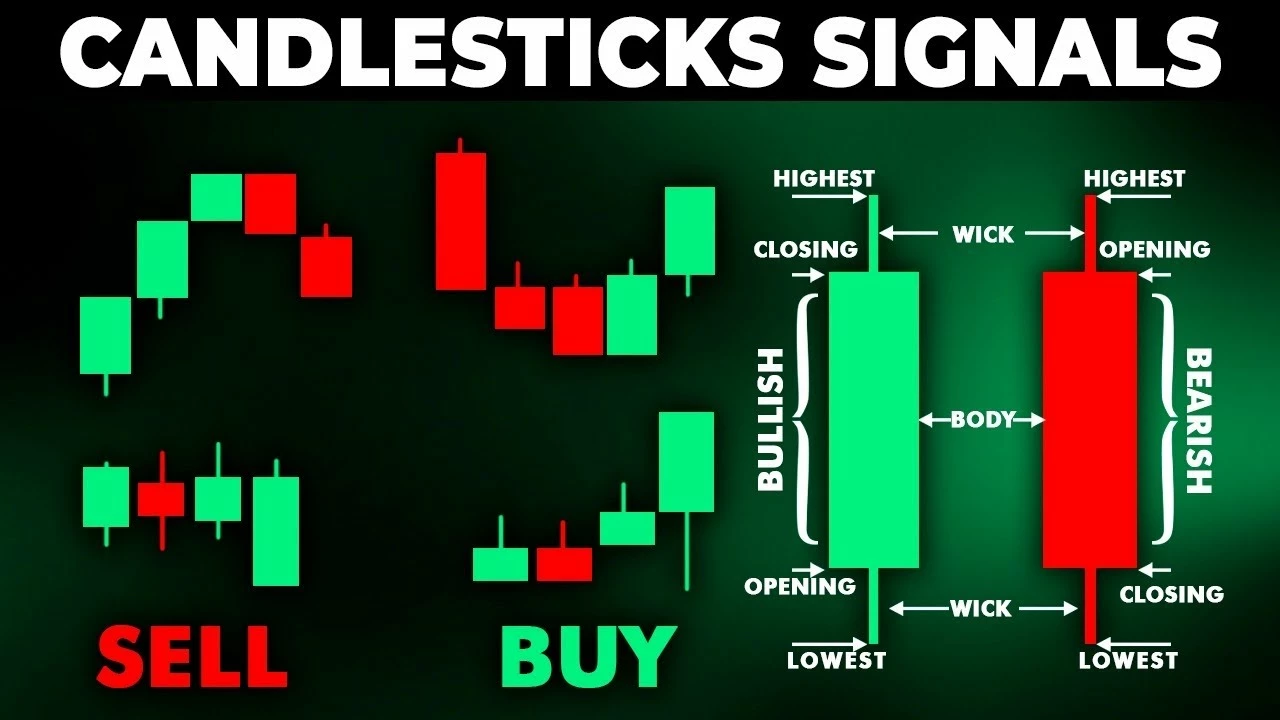
* 6.1 Introduction to Candlestick Charts:
* Candlesticks represent price movements over a specific period.
* Components: Open, High, Low, Close.
* Visual representation of market sentiment.
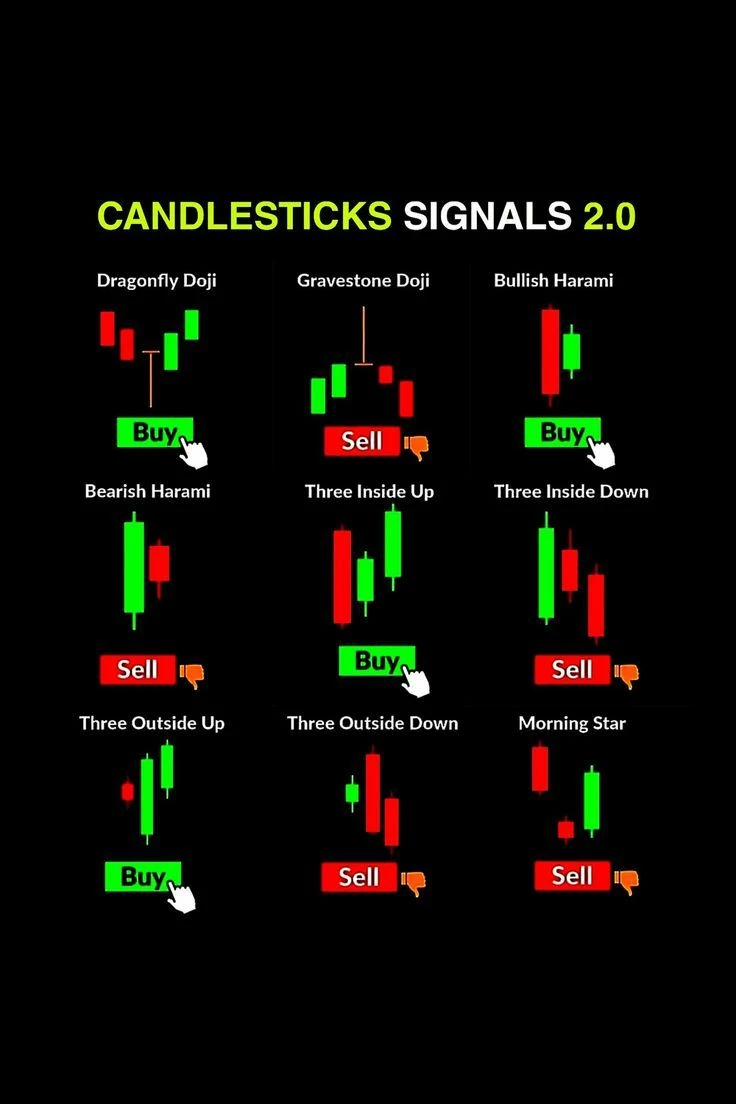
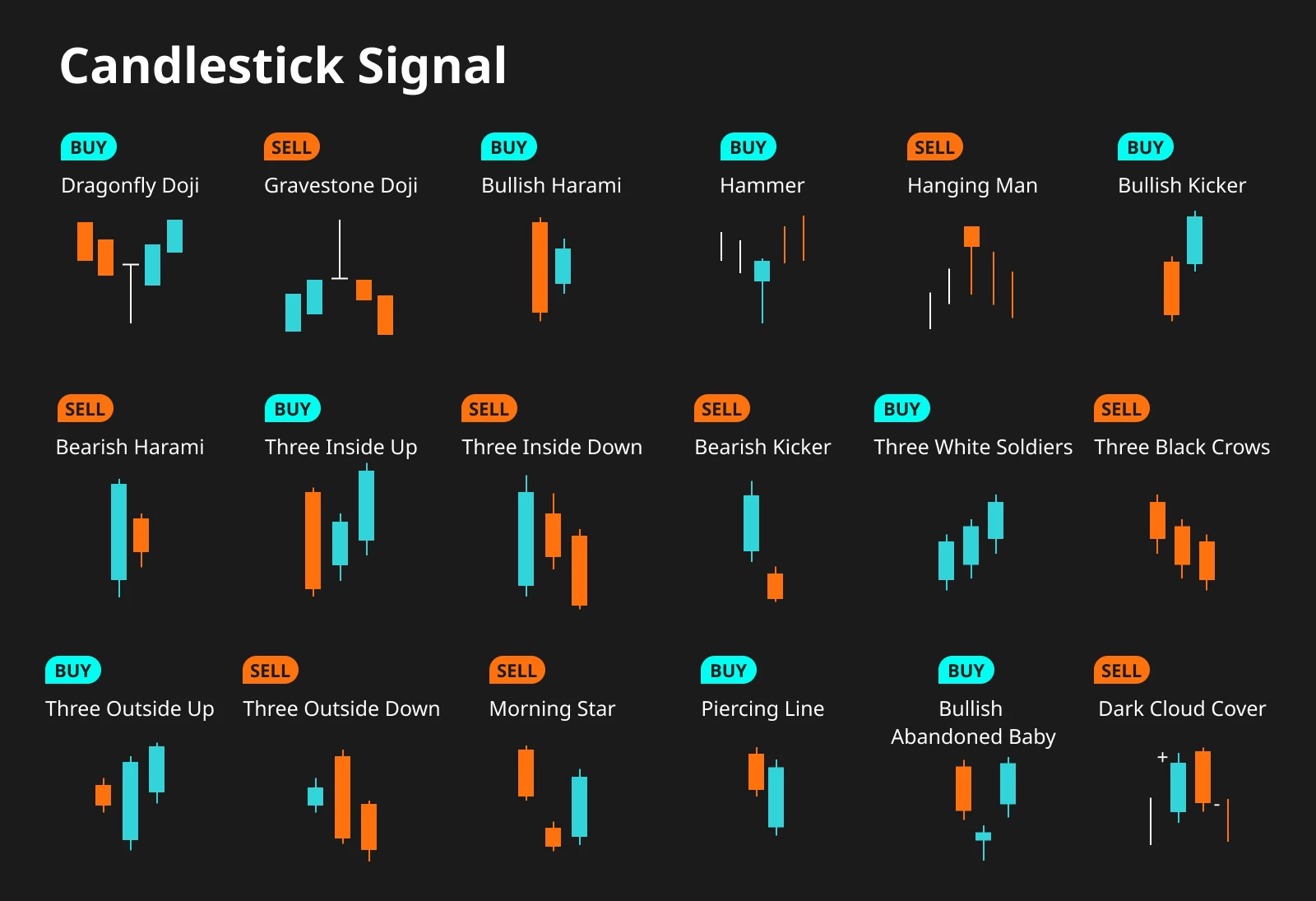
* 6.2 Bullish Candlestick Patterns:
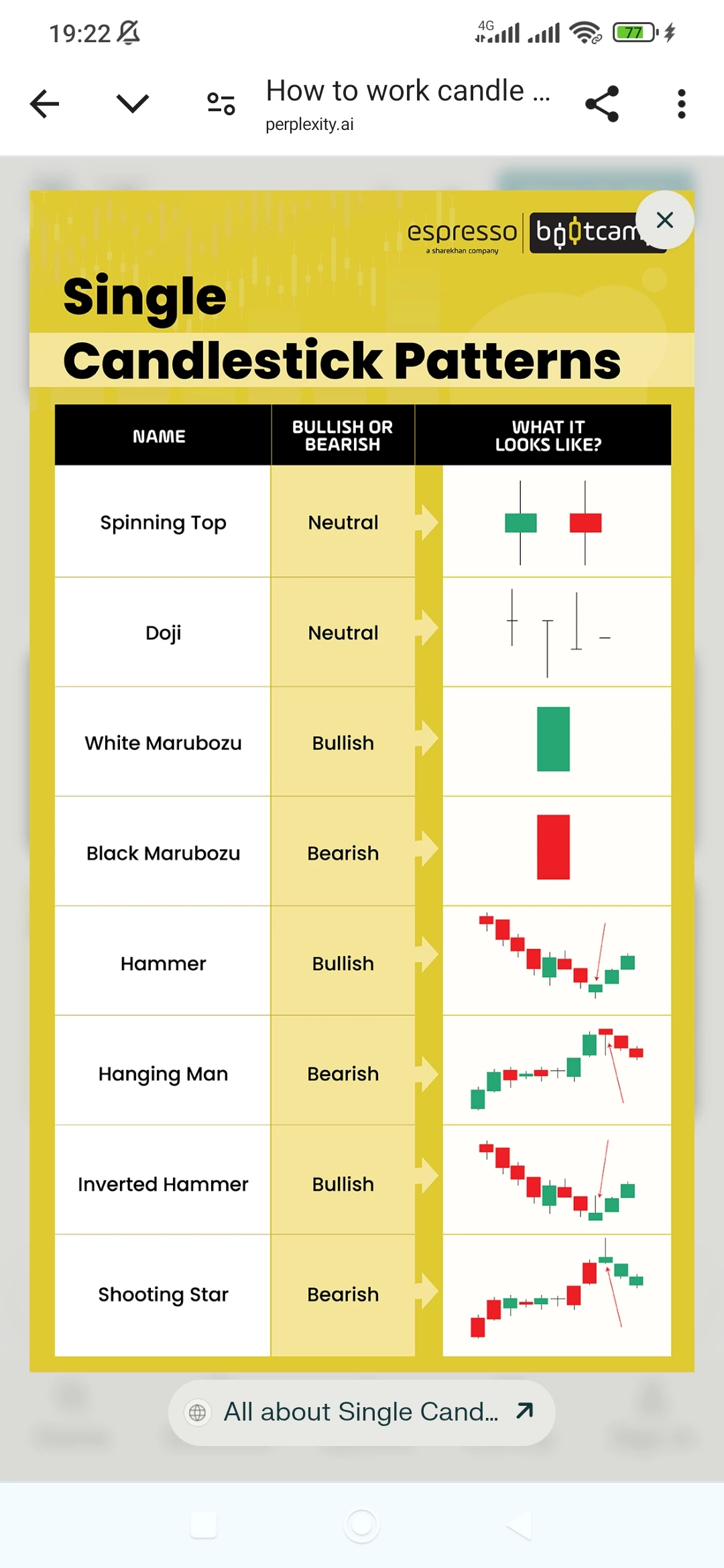
* 6.2.1 Hammer:
* A small body with a long lower shadow.
* Indicates potential bullish reversal.
* [attachment_0](attachment)
* 6.2.2 Inverted Hammer:
* A small body with a long upper shadow.
* Indicates potential bullish reversal after a downtrend.
* [attachment_1](attachment)
* 6.2.3 Bullish Engulfing:
* A large bullish candle that engulfs the previous bearish candle.
* Strong bullish reversal signal.
* [attachment_2](attachment)
* 6.2.4 Piercing Line:
* A bearish candle followed by a bullish candle that closes above the midpoint of the bearish candle.
* Indicates potential bullish reversal.
* [attachment_3](attachment)
* 6.2.5 Three White Soldiers:
* Three consecutive bullish candles with small shadows.
* Strong bullish trend signal.
* [attachment_4](attachment)
* 6.2.6 Morning Star:
* A three-candle pattern indicating a bullish reversal.
* [attachment_5](attachment)
* 6.3 Bearish Candlestick Patterns:
* 6.3.1 Hanging Man:
* A small body with a long lower shadow after an uptrend.
* Indicates potential bearish reversal.
* [attachment_6](attachment)
* 6.3.2 Shooting Star:
* A small body with a long upper shadow after an uptrend.
* Indicates potential bearish reversal.
* [attachment_7](attachment)
* 6.3.3 Bearish Engulfing:
* A large bearish candle that engulfs the previous bullish candle.
* Strong bearish reversal signal.
* [attachment_8](attachment)
* 6.3.4 Evening Star:
* A three-candle pattern indicating a bearish reversal.
* [attachment_9](attachment)
* 6.3.5 Three Black Crows:
* Three consecutive bearish candles with small shadows.
* Strong bearish trend signal.
* [attachment_10](attachment)
* 6.3.6 Dark Cloud Cover:
* A bullish candle followed by a bearish candle that closes below the midpoint of the bullish candle.
* Indicates potential bearish reversal.
* [attachment_11](attachment)
* 6.4 Indecision Patterns:
* 6.4.1 Doji:
* Open and close prices are nearly equal.
* Indicates market indecision.
* [attachment_12](attachment)
* 6.4.2 Spinning Top:
* Small body with upper and lower shadows.
* Indicates market indecision.
* [attachment_13](attachment)
* 6.5 Combining Candlestick Patterns with Technical Indicators:
* RSI (Relative Strength Index).
* MACD (Moving Average Convergence Divergence).
* Bollinger Bands.
* Volume analysis.
* 6.6 Profitability Analysis: Key Metrics and Techniques:
* Risk-Reward Ratio.
* Win Rate.
* Profit Factor.
* Sharpe Ratio.
* Sortino Ratio.
7. Comparative Analysis
| Aspect | Spot | Futures | Options | Copy Trading |
|---|---|---|---|---|
| Complexity | Low | High | High | Low |
| Leverage | None | Up to 125x | Limited | None |
| Risk | Moderate | High | Moderate | Low |
| Profit Potential | Linear | Exponential | Variable | Variable |
8. Risk Management Across All Strategies
* 8.1 Diversification:
* Spreading investments across multiple assets.
* 8.2 Position Sizing:
* Calculating the appropriate amount of capital to risk per trade.
* 8.3 Stop-Loss and Take-Profit Orders:
* Automating exits to limit losses and secure profits.
* 8.4 Emotional Control:
* Avoiding impulsive decisions driven by fear or greed.
* 8.5 Continuous Learning:
* Staying updated on market trends and strategies.
9. Conclusion
Crypto trading offers a wide range of opportunities, but success requires a thorough understanding of each strategy, effective risk management, and continuous learning.
10. Glossary of Crypto Trading Terms
* Altcoin: Any cryptocurrency other than Bitcoin.
* Arbitrage: Taking advantage of price differences between exchanges.
* Ask Price: The lowest price a seller is willing to accept.
* Bid Price: The highest price a buyer is willing to pay.
* Bullish: Indicating an upward price trend.
* Bearish: Indicating a downward price trend.
* Doji: A candlestick with equal open and close prices.
* Futures: Contracts to buy or sell an asset at a predetermined price and date.
* Hedge: Using a trading strategy to offset potential losses.
* Leverage: Using borrowed capital to increase potential returns (and risks).
* Liquidation: Forced closure of a leveraged position due to insufficient margin.
* Margin: Collateral required to open a leveraged trade.
* Options: Contracts that give the right, but not the obligation, to buy or sell an asset.
* RSI (Relative Strength Index): A momentum indicator.
* Stop-Loss Order: An order to automatically close a position at a specified price.
* Take-Profit Order: An order to automatically close a position at a specified profit level.
* Volatility: The degree of price fluctuations.
11. References & Further Reading
* Investopedia: Cryptocurrency Trading
* Binance Academy: Crypto Trading Guides
* TradingView: Charting and Analysis
* CryptoQuant: On-Chain Data Analysis
This comprehensive guide provides a solid foundation for understanding and navigating the complexities of cryptocurrency trading. Remember to always conduct thorough research and practice risk management to maximize your potential for success.
1
1 reactions
If you were read my message Daily 1000 dollars.
Chapter 1: 2;3;4 it's mean you want to earn daily 1000 dollars.today discussion technical skills.
Candlestick patterns provide visual cues for identifying potential reversals, continuations, and market sentiment shifts in futures trading. Here’s a structured approach to applying them effectively:---
## **Key Candlestick Patterns for Futures Trading**
### **Bullish Reversal Patterns**
1. **Bullish Engulfing**
- **Structure**: A small bearish candle followed by a larger bullish candle that completely engulfs the first candle’s body.
- **Signal**: Indicates strong buying pressure, often marking the end of a downtrend[1][2].
- **Confirmation**: A subsequent bullish candle confirms the reversal.
2. **Morning Star**
- **Structure**: A bearish candle, followed by a small-bodied candle (or doji), then a strong bullish candle.
- **Signal**: Suggests a shift from bearish to bullish momentum at the bottom of a downtrend[1][3].
- **Confirmation**: The third candle must close above the midpoint of the first bearish candle[3].
3. **Hammer**
- **Structure**: A small body with a long lower wick, resembling a hammer.
- **Signal**: Indicates rejection of lower prices, hinting at a potential uptrend[2][4].
- **Confirmation**: A bullish candle the next day validates the reversal.
### **Bearish Reversal Patterns**
1. **Bearish Engulfing**
- **Structure**: A small bullish candle engulfed by a larger bearish candle.
- **Signal**: Signals weakening buying pressure and potential downtrend[2][4].
2. **Evening Star**
- **Structure**: A bullish candle, followed by a small-bodied candle (or doji), then a strong bearish candle.
- **Signal**: Marks the end of an uptrend, especially when the third candle erases the first candle’s gains[4].
3. **Shooting Star**
- **Structure**: A small body with a long upper wick, resembling an inverted hammer.
- **Signal**: Indicates rejection of higher prices, suggesting a potential downtrend[2][4].
### **Continuation Patterns**
1. **Rising Three Methods**
- **Structure**: A strong bullish candle, followed by three small bearish candles within its range, then another bullish candle.
- **Signal**: Confirms buyers retain control during a consolidation phase[1][4].
2. **Falling Three Methods**
- **Structure**: A strong bearish candle, followed by three small bullish candles within its range, then another bearish candle.
- **Signal**: Reflects sustained selling pressure during a consolidation[4].
---
## **Practical Application in Futures Trading**
1. **Identify Context**
- Look for patterns at key levels (e.g., support/resistance, trendlines) to gauge their significance.
- Example: A **bullish engulfing** at a support level may signal a reversal.
2. **Confirm with Momentum Indicators**
- Pair patterns with tools like RSI or MACD to filter false signals.
3. **Risk Management**
- Place stop-losses below the low of a bullish reversal pattern (e.g., hammer) or above the high of a bearish reversal (e.g., shooting star).
4. **Avoid Overtrading**
- Focus on high-probability patterns (e.g., morning star doji, which has a **68% success rate** in predicting reversals[3])
## **Limitations**
Candlestick patterns alone are not foolproof. Combine them with volume analysis, trend direction, and broader market conditions for robust trading decisions[2][7].
By integrating these patterns into a disciplined strategy, futures traders can enhance their ability to anticipate price movements and manage risk effective
Chapter 1: 2;3;4 it's mean you want to earn daily 1000 dollars.today discussion technical skills.
Candlestick patterns provide visual cues for identifying potential reversals, continuations, and market sentiment shifts in futures trading. Here’s a structured approach to applying them effectively:---
## **Key Candlestick Patterns for Futures Trading**
### **Bullish Reversal Patterns**
1. **Bullish Engulfing**
- **Structure**: A small bearish candle followed by a larger bullish candle that completely engulfs the first candle’s body.
- **Signal**: Indicates strong buying pressure, often marking the end of a downtrend[1][2].
- **Confirmation**: A subsequent bullish candle confirms the reversal.
2. **Morning Star**
- **Structure**: A bearish candle, followed by a small-bodied candle (or doji), then a strong bullish candle.
- **Signal**: Suggests a shift from bearish to bullish momentum at the bottom of a downtrend[1][3].
- **Confirmation**: The third candle must close above the midpoint of the first bearish candle[3].
3. **Hammer**
- **Structure**: A small body with a long lower wick, resembling a hammer.
- **Signal**: Indicates rejection of lower prices, hinting at a potential uptrend[2][4].
- **Confirmation**: A bullish candle the next day validates the reversal.
### **Bearish Reversal Patterns**
1. **Bearish Engulfing**
- **Structure**: A small bullish candle engulfed by a larger bearish candle.
- **Signal**: Signals weakening buying pressure and potential downtrend[2][4].
2. **Evening Star**
- **Structure**: A bullish candle, followed by a small-bodied candle (or doji), then a strong bearish candle.
- **Signal**: Marks the end of an uptrend, especially when the third candle erases the first candle’s gains[4].
3. **Shooting Star**
- **Structure**: A small body with a long upper wick, resembling an inverted hammer.
- **Signal**: Indicates rejection of higher prices, suggesting a potential downtrend[2][4].
### **Continuation Patterns**
1. **Rising Three Methods**
- **Structure**: A strong bullish candle, followed by three small bearish candles within its range, then another bullish candle.
- **Signal**: Confirms buyers retain control during a consolidation phase[1][4].
2. **Falling Three Methods**
- **Structure**: A strong bearish candle, followed by three small bullish candles within its range, then another bearish candle.
- **Signal**: Reflects sustained selling pressure during a consolidation[4].
---
## **Practical Application in Futures Trading**
1. **Identify Context**
- Look for patterns at key levels (e.g., support/resistance, trendlines) to gauge their significance.
- Example: A **bullish engulfing** at a support level may signal a reversal.
2. **Confirm with Momentum Indicators**
- Pair patterns with tools like RSI or MACD to filter false signals.
3. **Risk Management**
- Place stop-losses below the low of a bullish reversal pattern (e.g., hammer) or above the high of a bearish reversal (e.g., shooting star).
4. **Avoid Overtrading**
- Focus on high-probability patterns (e.g., morning star doji, which has a **68% success rate** in predicting reversals[3])
## **Limitations**
Candlestick patterns alone are not foolproof. Combine them with volume analysis, trend direction, and broader market conditions for robust trading decisions[2][7].
By integrating these patterns into a disciplined strategy, futures traders can enhance their ability to anticipate price movements and manage risk effective
1