
1 reactions
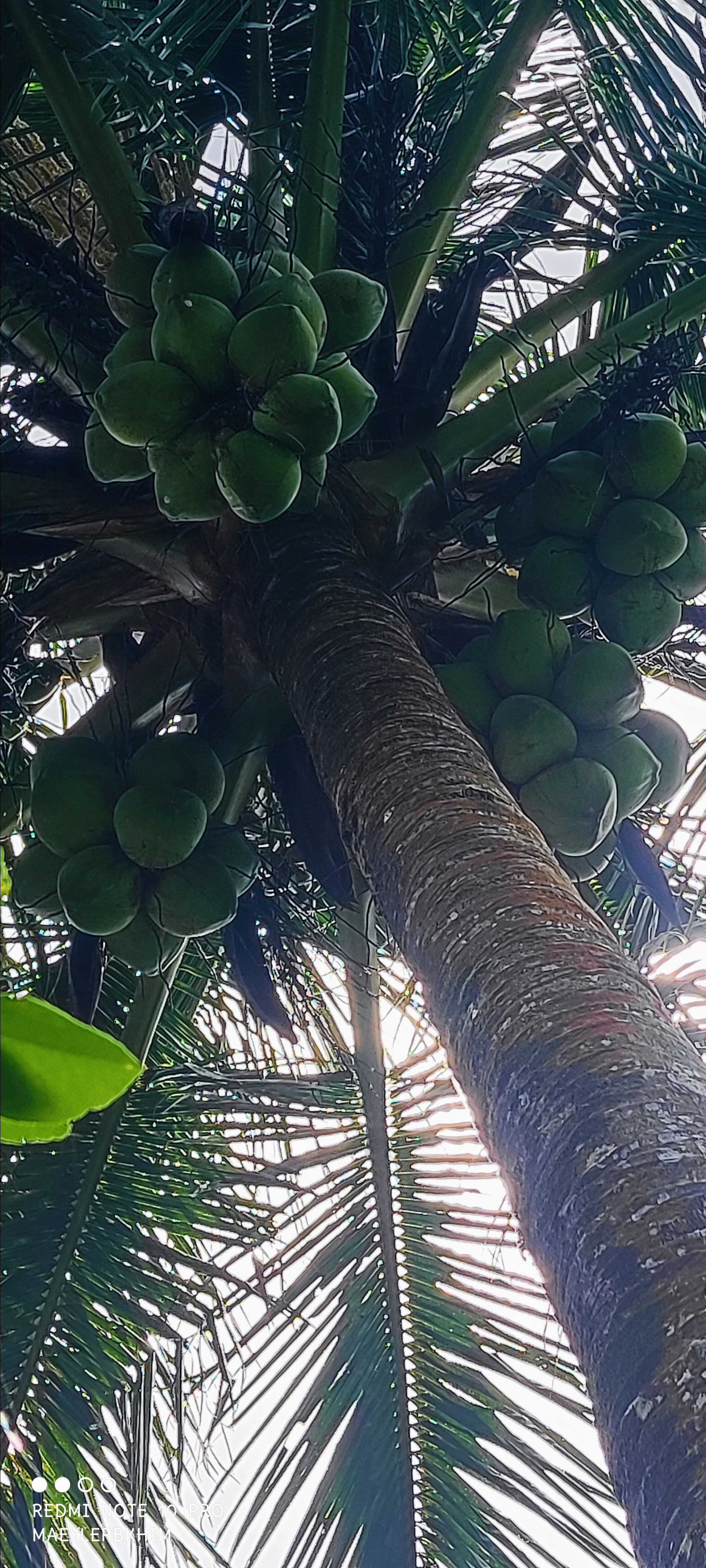
I went to the old house today to help my granny in doing her laundry. I saw the fruitful coconut tree. I cannot help myself to drool. I wish I could climb it so I can drink it's juice and eat it's meat, but I can't climb at all. 😅😅 I'll just wait for my brother to come home and he will get it for me. 😁
Do you know that younger, green coconuts contain the most sweet and nutrient-rich water? As the coconut matures, the liquid transforms into solid white coconut meat. A single serving of coconut water typically contains more potassium than a medium-sized banana. That's why here in Philippines, we love to drink it's juice and we called it buko juice.
#coconut #coconutfacts #bukojuice
Do you know that younger, green coconuts contain the most sweet and nutrient-rich water? As the coconut matures, the liquid transforms into solid white coconut meat. A single serving of coconut water typically contains more potassium than a medium-sized banana. That's why here in Philippines, we love to drink it's juice and we called it buko juice.
#coconut #coconutfacts #bukojuice


1

2 reactions
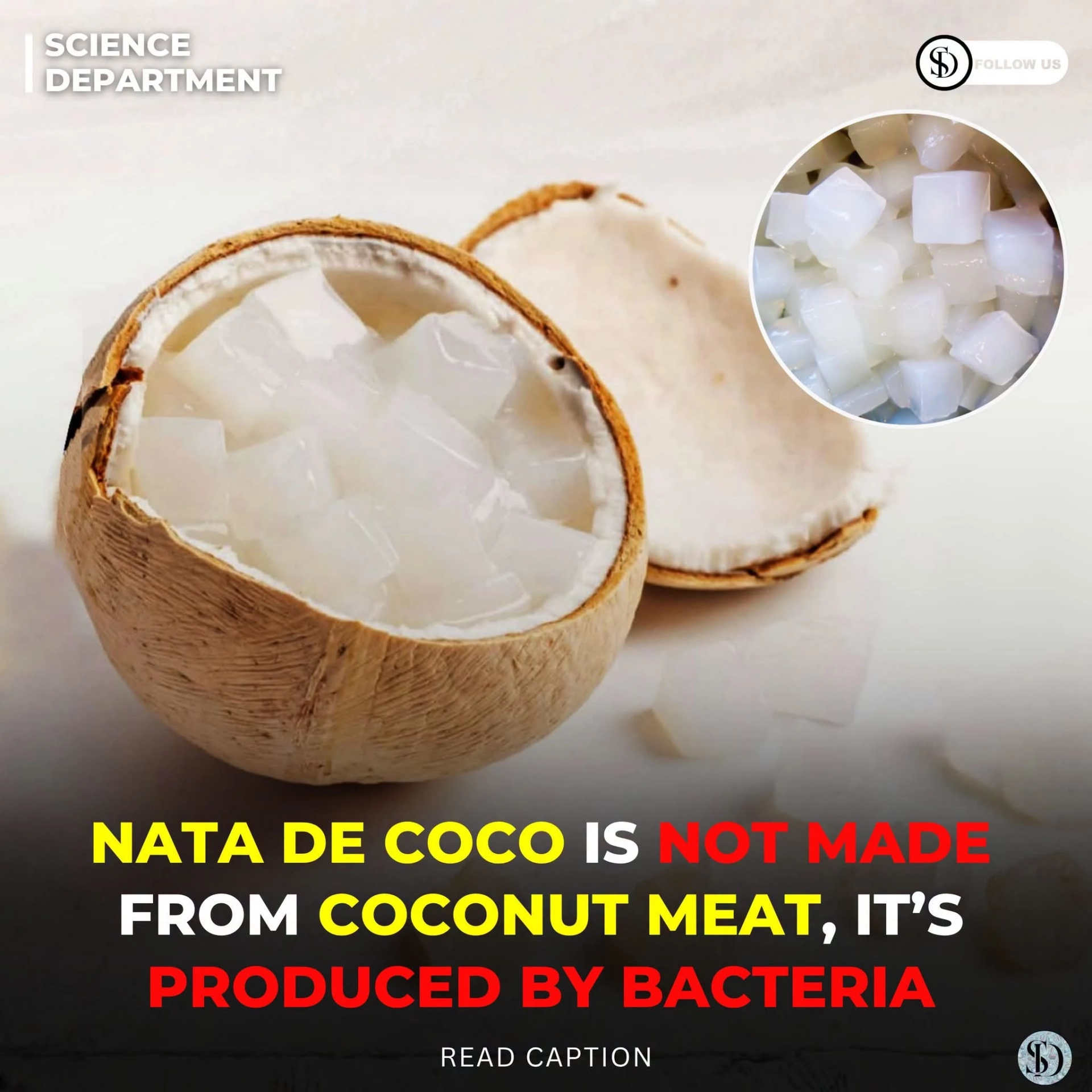
Those chewy white cubes found in fruit salad, halo-halo, milk tea, and other desserts may look like pieces of coconut flesh, but nata de coco is not coconut meat. Instead, it is bacterial cellulose—a natural material produced by beneficial bacteria through fermentation. This makes nata de coco one of the best-known examples of food biotechnology in the Philippines.
The process begins by mixing coconut water with sugar and a small amount of acid before adding cellulose-producing bacteria, most commonly Komagataeibacter xylinus (formerly known as Acetobacter xylinum). As the bacteria consume the sugars, they produce microscopic cellulose fibers that gradually weave together into a thick, jelly-like sheet floating on the liquid's surface. Because these bacteria require oxygen, the fermentation is typically carried out in shallow trays where the liquid is exposed to air.
After several days, the cellulose sheet called raw nata is harvested and undergoes multiple processing steps. It is thoroughly washed, boiled, soaked, and sweetened to remove its acidic taste before being cut into the familiar cubes used in desserts and beverages. Unlike gelatin or agar, nata de coco gets its distinctive firm yet chewy texture from an intricate network of cellulose fibers that trap large amounts of water.
Nata de coco demonstrates how microorganisms can be used to create nutritious and useful foods rather than simply causing spoilage. Just as yeast ferments bread and bacteria produce vinegar, cellulose-producing bacteria transform coconut water into edible cellulose. This innovation showcases the remarkable role of microbes in food science and highlights the Philippines' contribution to biotechnology. The next time you enjoy nata de coco, remember that those chewy cubes are not coconut flesh, they are coconut water transformed by beneficial bacteria into edible bacterial cellulose, making them a delicious product of fermentation and modern food biotechnology.
#NataDeCoco #Fermentation #Philippines #Coconut #bacterialcellulose
The process begins by mixing coconut water with sugar and a small amount of acid before adding cellulose-producing bacteria, most commonly Komagataeibacter xylinus (formerly known as Acetobacter xylinum). As the bacteria consume the sugars, they produce microscopic cellulose fibers that gradually weave together into a thick, jelly-like sheet floating on the liquid's surface. Because these bacteria require oxygen, the fermentation is typically carried out in shallow trays where the liquid is exposed to air.
After several days, the cellulose sheet called raw nata is harvested and undergoes multiple processing steps. It is thoroughly washed, boiled, soaked, and sweetened to remove its acidic taste before being cut into the familiar cubes used in desserts and beverages. Unlike gelatin or agar, nata de coco gets its distinctive firm yet chewy texture from an intricate network of cellulose fibers that trap large amounts of water.
Nata de coco demonstrates how microorganisms can be used to create nutritious and useful foods rather than simply causing spoilage. Just as yeast ferments bread and bacteria produce vinegar, cellulose-producing bacteria transform coconut water into edible cellulose. This innovation showcases the remarkable role of microbes in food science and highlights the Philippines' contribution to biotechnology. The next time you enjoy nata de coco, remember that those chewy cubes are not coconut flesh, they are coconut water transformed by beneficial bacteria into edible bacterial cellulose, making them a delicious product of fermentation and modern food biotechnology.
#NataDeCoco #Fermentation #Philippines #Coconut #bacterialcellulose
1

1

8 reactions
Buko coconut
Thank you my dear hubby for always bringing me of buko juice.
It suite you know my UTI attack again.
Buko is one of my herbal treatment..
Fresh and lots of benefits.
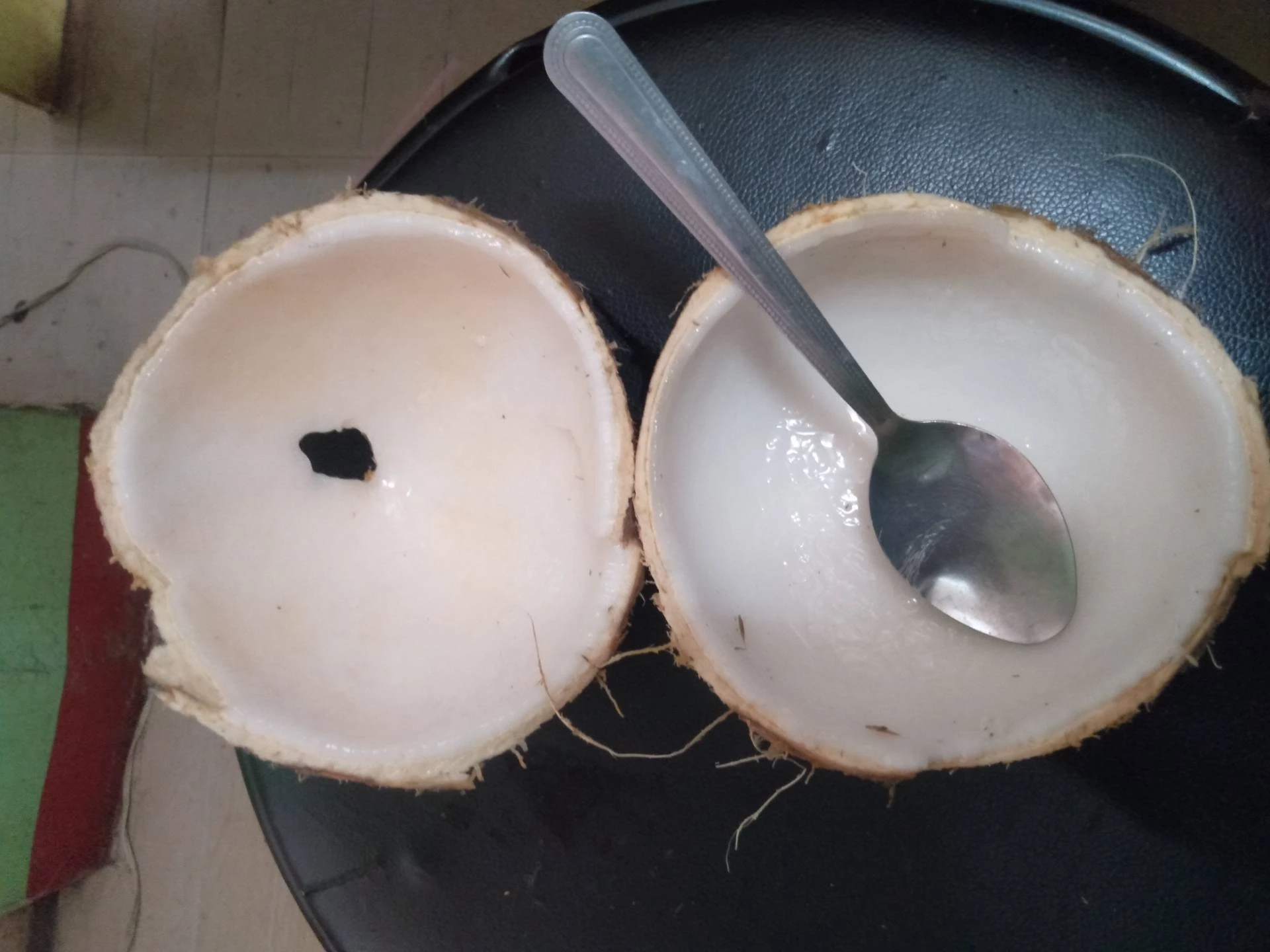
I already drink the juice of coconut
I think you all searching where is the liquid buko juice as well
I already drink na.. and the left that i post is just the coconut rice.
Hmmm excited to eat it's yummylicious😋
#tangled #coconut
Thank you my dear hubby for always bringing me of buko juice.
It suite you know my UTI attack again.
Buko is one of my herbal treatment..
Fresh and lots of benefits.
I already drink the juice of coconut
I think you all searching where is the liquid buko juice as well
I already drink na.. and the left that i post is just the coconut rice.
Hmmm excited to eat it's yummylicious😋
#tangled #coconut
4

1
1