
12 reactions
Horned Melon (Kiwano)
The Horned Melon, also known as Kiwano, is a unique and visually striking fruit native to Sub-Saharan Africa. Its vibrant orange, spiky exterior immediately sets it apart from other fruits, giving it a distinct appearance that resembles something out of a science fiction movie.
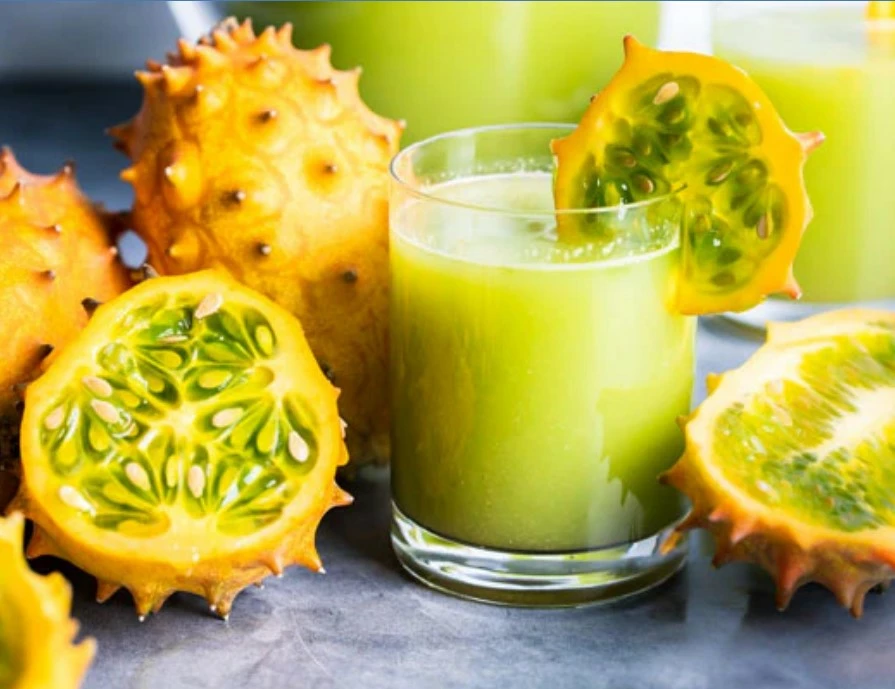
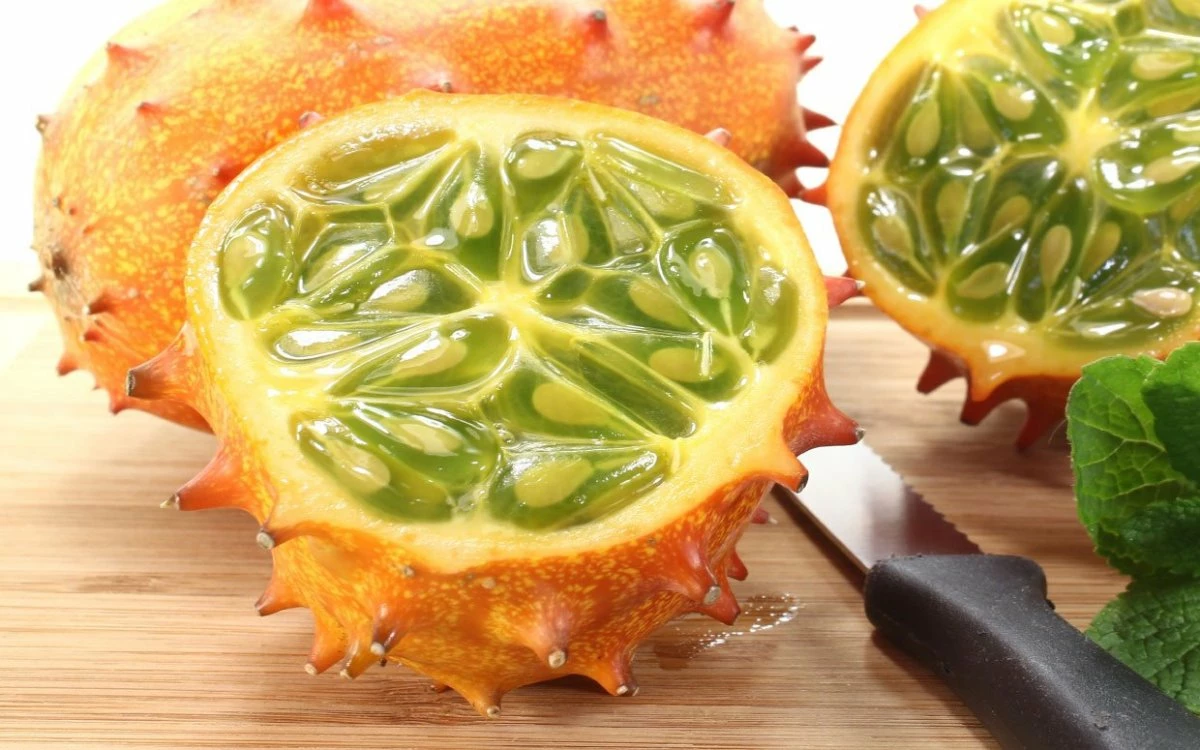
Appearance: The Horned Melon gets its name from its characteristic horn-like spines that cover its surface. The fruit typically measures about 4 to 6 inches in length. When you cut open the tough, spiky skin, you'll find bright green, jelly-like flesh filled with numerous small, edible seeds.
Flavor and Texture: The flesh of the Horned Melon has a refreshing and mildly sweet flavor, often described as a cross between cucumber, kiwi, and banana. Its texture is somewhat gelatinous, similar to the inside of a cucumber or a jelly. The seeds, which are similar in size and texture to those of a cucumber, add a slight crunch.
Nutritional Benefits: Horned Melons are low in calories but rich in essential nutrients. They are a good source of vitamins A and C, which are important for immune function and skin health. Additionally, they contain significant amounts of iron, magnesium, and potassium, which are vital for maintaining healthy blood pressure, muscle function, and overall energy levels. The fruit is also high in antioxidants, which help protect the body against damage from free radicals.
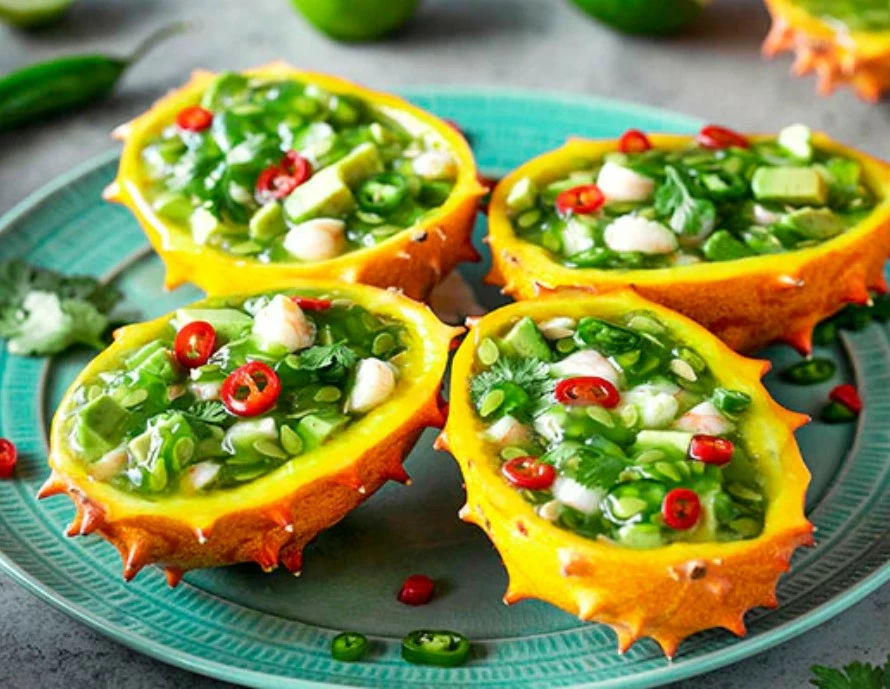
Culinary Uses: Horned Melon is incredibly versatile in the kitchen. It can be eaten fresh, scooped straight from the skin, or added to fruit salads for a unique twist. Its juicy, green flesh is also an excellent addition to smoothies and fruit juices, providing a refreshing flavor and a vibrant color. Some people enjoy using the fruit as a garnish for desserts and cocktails, where its unusual appearance can add a touch of exotic elegance.
Cultural Significance: In its native regions, Horned Melon has been consumed for centuries and is valued not only for its taste but also for its hydrating properties, making it particularly valuable in arid climates. It is also gaining popularity worldwide due to its unique look and nutritional benefits.
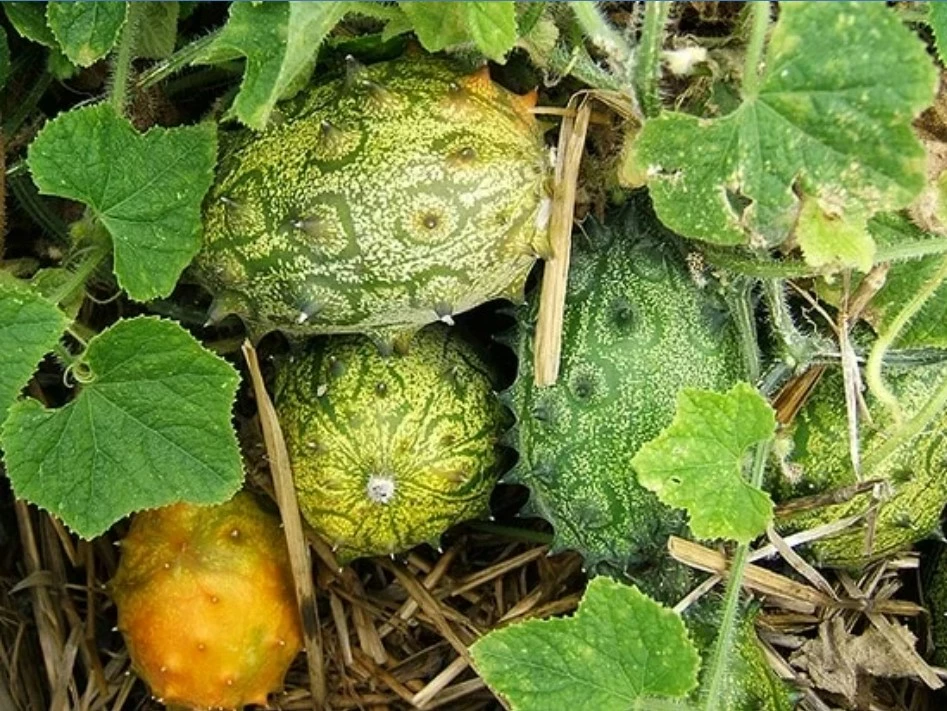
How to Select and Store: When selecting a Horned Melon, look for one that is bright orange in color, indicating it is ripe. The spikes should be firm, not soft or mushy. To store, keep the fruit at room temperature until it ripens fully. Once ripe, it can be stored in the refrigerator for up to a week.
The Horned Melon (Kiwano) is more than just an exotic fruit; it is a nutritional powerhouse with a unique flavor and versatility that makes it a fascinating addition to any diet. Whether you are looking to explore new tastes or add a visually stunning element to your dishes, the Horned Melon is sure to impress.
#HornedMelon #Kiwano #ExoticFruit #HealthyEating #Superfood #NutrientRich #TropicalFruit #UniqueFlavors #Foodie #FruitLovers #FreshProduce #HealthyLiving #CulinaryDelight #FoodExploration
The Horned Melon, also known as Kiwano, is a unique and visually striking fruit native to Sub-Saharan Africa. Its vibrant orange, spiky exterior immediately sets it apart from other fruits, giving it a distinct appearance that resembles something out of a science fiction movie.
Appearance: The Horned Melon gets its name from its characteristic horn-like spines that cover its surface. The fruit typically measures about 4 to 6 inches in length. When you cut open the tough, spiky skin, you'll find bright green, jelly-like flesh filled with numerous small, edible seeds.
Flavor and Texture: The flesh of the Horned Melon has a refreshing and mildly sweet flavor, often described as a cross between cucumber, kiwi, and banana. Its texture is somewhat gelatinous, similar to the inside of a cucumber or a jelly. The seeds, which are similar in size and texture to those of a cucumber, add a slight crunch.
Nutritional Benefits: Horned Melons are low in calories but rich in essential nutrients. They are a good source of vitamins A and C, which are important for immune function and skin health. Additionally, they contain significant amounts of iron, magnesium, and potassium, which are vital for maintaining healthy blood pressure, muscle function, and overall energy levels. The fruit is also high in antioxidants, which help protect the body against damage from free radicals.
Culinary Uses: Horned Melon is incredibly versatile in the kitchen. It can be eaten fresh, scooped straight from the skin, or added to fruit salads for a unique twist. Its juicy, green flesh is also an excellent addition to smoothies and fruit juices, providing a refreshing flavor and a vibrant color. Some people enjoy using the fruit as a garnish for desserts and cocktails, where its unusual appearance can add a touch of exotic elegance.
Cultural Significance: In its native regions, Horned Melon has been consumed for centuries and is valued not only for its taste but also for its hydrating properties, making it particularly valuable in arid climates. It is also gaining popularity worldwide due to its unique look and nutritional benefits.
How to Select and Store: When selecting a Horned Melon, look for one that is bright orange in color, indicating it is ripe. The spikes should be firm, not soft or mushy. To store, keep the fruit at room temperature until it ripens fully. Once ripe, it can be stored in the refrigerator for up to a week.
The Horned Melon (Kiwano) is more than just an exotic fruit; it is a nutritional powerhouse with a unique flavor and versatility that makes it a fascinating addition to any diet. Whether you are looking to explore new tastes or add a visually stunning element to your dishes, the Horned Melon is sure to impress.
#HornedMelon #Kiwano #ExoticFruit #HealthyEating #Superfood #NutrientRich #TropicalFruit #UniqueFlavors #Foodie #FruitLovers #FreshProduce #HealthyLiving #CulinaryDelight #FoodExploration



5

3

3
27 reactions
The Ackee (Ackee Apple) - A Tropical Treasure with a Twist
The ackee (Blighia sapida), also known as ackee apple or akee, is a unique fruit native to tropical West Africa. It boasts a fascinating history, a delicious (when ripe) flavor, and a surprising twist – unripe ackee is highly toxic.
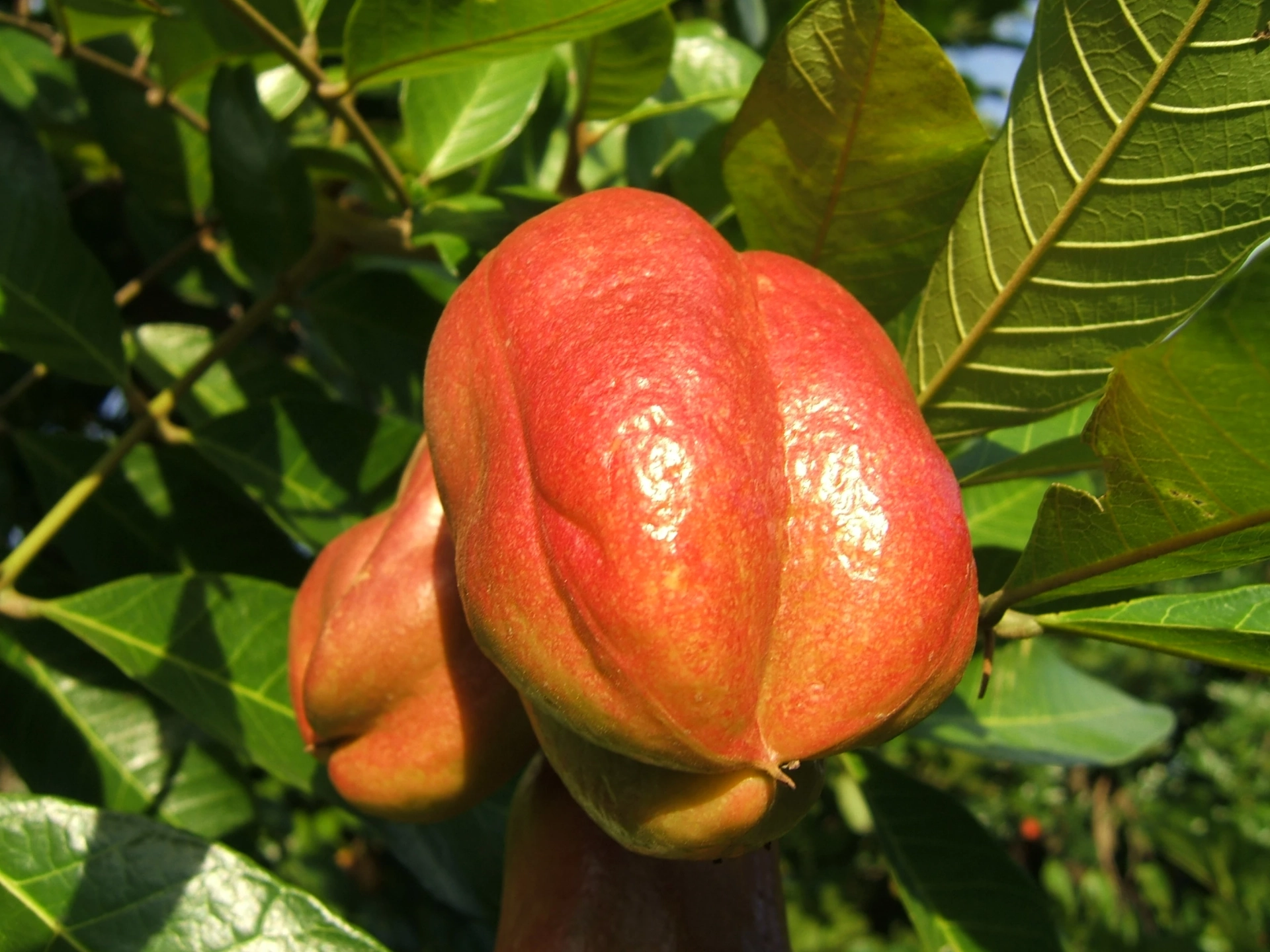
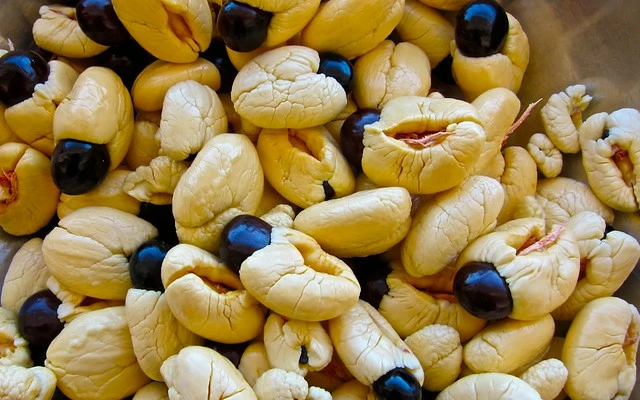
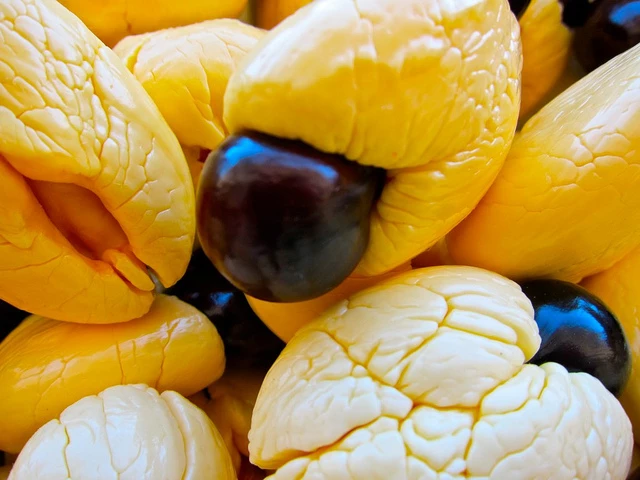
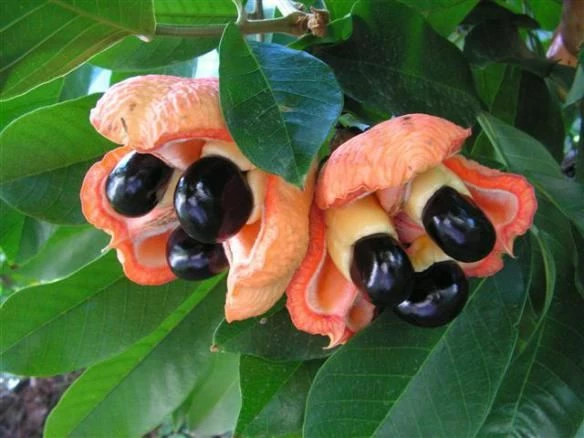
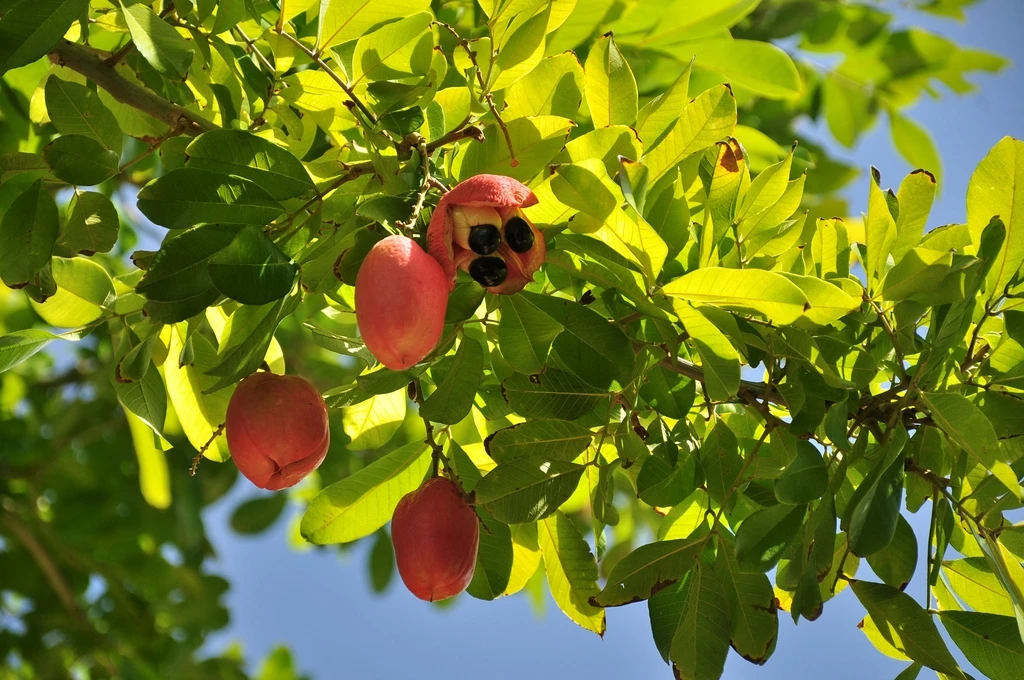
Appearance: The ackee fruit starts off green and pear-shaped, with three lobes. As it ripens, the exterior turns a vibrant red and splits open, revealing creamy white or yellow arils (the fleshy part) surrounding a large, black seed.
Flavor and Texture: Ripe ackee arils have a mildly sweet, buttery flavor and a soft, yet slightly crumbly texture.
Culinary Uses: Ackee is a staple ingredient in Jamaican cuisine. It's often enjoyed scrambled with saltfish (dried and salted cod) and onions for a traditional Jamaican breakfast. Ackee can also be boiled, curried, or fried. Its versatility makes it a popular ingredient in many dishes.
A Word of Caution:
Unripe ackee fruit contains a toxin called hypoglycin A, which can cause severe illness, vomiting, coma, and even death. It's crucial to only consume ackee that has fully ripened and split open naturally. If you're unsure about the ripeness, it's best to err on the side of caution and avoid it.
Nutritional Value:
Ripe ackee is a good source of several essential nutrients, including:
Healthy fats: Ackee contains monounsaturated fats, which are beneficial for heart health.
Fiber: It contributes to a healthy digestive system and promotes feelings of fullness.
Vitamins: Ackee is a good source of vitamins A, C, and B6, all of which play important roles in overall health.
Potassium: This essential mineral helps regulate blood pressure and muscle function.
The ackee was introduced to Jamaica from West Africa before 1778. Captain William Bligh, of HMS Bounty fame, took the fruit from Jamaica to the Royal Botanic Gardens in Kew, England, in 1793. It is the national fruit of Jamaica and is widely enjoyed throughout the Caribbean and other tropical regions.
The ackee is a fascinating fruit with a delicious flavor profile when ripe. However, its unique characteristic of being toxic when unripe necessitates caution. If you're fortunate enough to find ripe ackee, enjoy it as a taste of the tropics, but always prioritize safety and only consume fully ripened fruit.
#ackee #jamaicanfood #tropicalfruit #exoticfruit #caribbeancuisine #nationalfruitofjamaica #ripefruitisgood #knowbeforeyoueat #culinaryadventures #foodiefact #dangerouswhenunripe #interestingfacts #caribbeanvibes #caribbeaneats
The ackee (Blighia sapida), also known as ackee apple or akee, is a unique fruit native to tropical West Africa. It boasts a fascinating history, a delicious (when ripe) flavor, and a surprising twist – unripe ackee is highly toxic.
Appearance: The ackee fruit starts off green and pear-shaped, with three lobes. As it ripens, the exterior turns a vibrant red and splits open, revealing creamy white or yellow arils (the fleshy part) surrounding a large, black seed.
Flavor and Texture: Ripe ackee arils have a mildly sweet, buttery flavor and a soft, yet slightly crumbly texture.
Culinary Uses: Ackee is a staple ingredient in Jamaican cuisine. It's often enjoyed scrambled with saltfish (dried and salted cod) and onions for a traditional Jamaican breakfast. Ackee can also be boiled, curried, or fried. Its versatility makes it a popular ingredient in many dishes.
A Word of Caution:
Unripe ackee fruit contains a toxin called hypoglycin A, which can cause severe illness, vomiting, coma, and even death. It's crucial to only consume ackee that has fully ripened and split open naturally. If you're unsure about the ripeness, it's best to err on the side of caution and avoid it.
Nutritional Value:
Ripe ackee is a good source of several essential nutrients, including:
Healthy fats: Ackee contains monounsaturated fats, which are beneficial for heart health.
Fiber: It contributes to a healthy digestive system and promotes feelings of fullness.
Vitamins: Ackee is a good source of vitamins A, C, and B6, all of which play important roles in overall health.
Potassium: This essential mineral helps regulate blood pressure and muscle function.
The ackee was introduced to Jamaica from West Africa before 1778. Captain William Bligh, of HMS Bounty fame, took the fruit from Jamaica to the Royal Botanic Gardens in Kew, England, in 1793. It is the national fruit of Jamaica and is widely enjoyed throughout the Caribbean and other tropical regions.
The ackee is a fascinating fruit with a delicious flavor profile when ripe. However, its unique characteristic of being toxic when unripe necessitates caution. If you're fortunate enough to find ripe ackee, enjoy it as a taste of the tropics, but always prioritize safety and only consume fully ripened fruit.
#ackee #jamaicanfood #tropicalfruit #exoticfruit #caribbeancuisine #nationalfruitofjamaica #ripefruitisgood #knowbeforeyoueat #culinaryadventures #foodiefact #dangerouswhenunripe #interestingfacts #caribbeanvibes #caribbeaneats
14
4
3