0 reactions
PtP.
#WoundedHealerTalk
#ScarsHealSmarter
Elias is a master horologist, but his hands have a permanent, rhythmic tremor—a "scar" from a fever years ago. He can no longer hold a tiny gear without it shaking. To anyone else, he’s a broken clockmaker. To the desperate, he’s the only one who can hear the "heartbeat" of a machine.
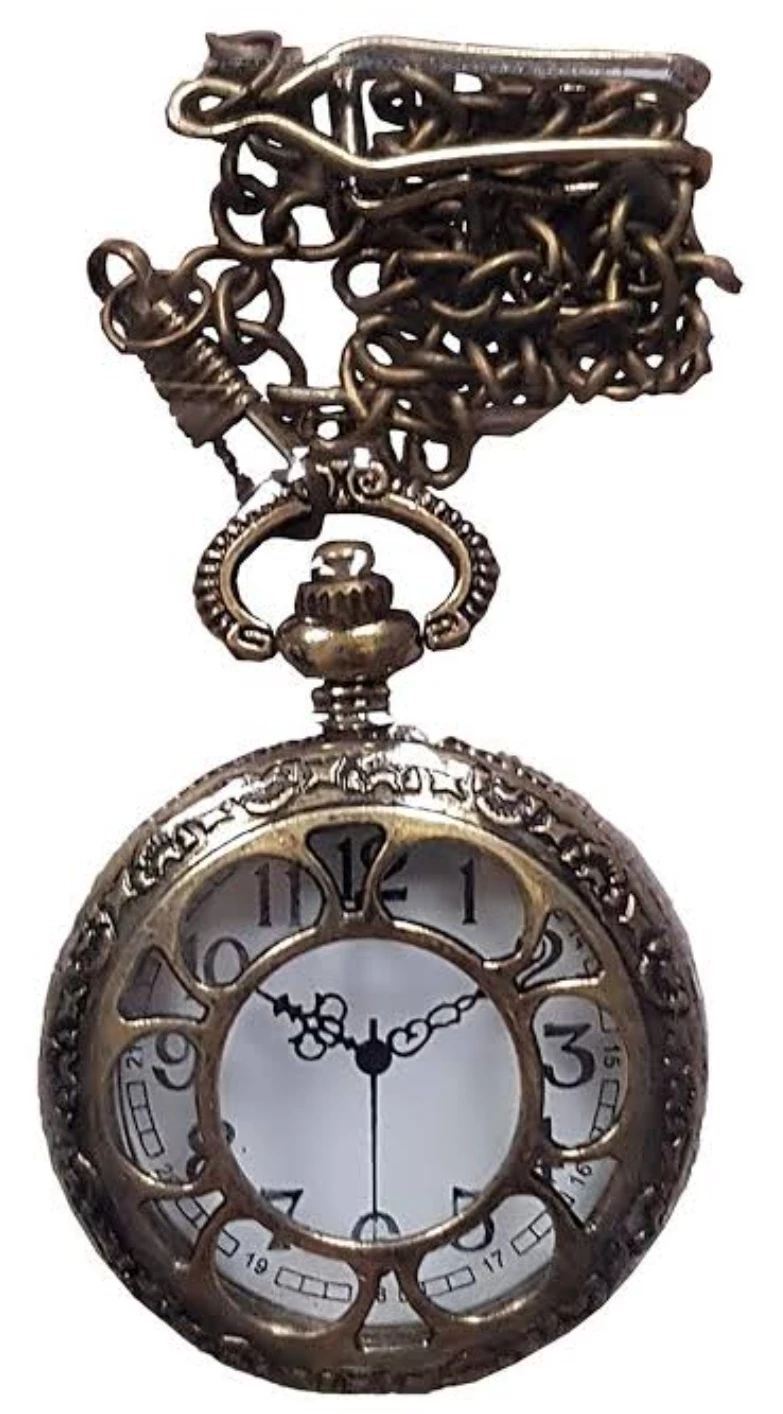
A young girl named Clara walks in. She’s holding a heavy, silent pocket watch that belonged to her father. She’s crying, not because the watch is broken, but because she feels like she is—everything she touches lately seems to fall apart, and she’s convinced she’s the reason the watch stopped ticking.
Elias didn’t hide his hands beneath the counter. Instead, he reached out and set them flat on the scarred wooden workbench. Clara watched as his fingers danced with a restless, unstoppable vibration.
"You see these?" Elias asked, his voice like soft sandpaper. "Most people look at a watchmaker with shaking hands and see a tragedy. They think the stillness is where the magic happens."
He slid the pocket watch toward him. As his trembling fingers touched the cold silver casing, the vibration of his hands seemed to pulse against the metal.
"Clara, if a watch were perfectly tight—if every gear fit against the next with no gap, no 'play'—the metal would expand in the sun and the whole thing would seize up. It would choke on its own perfection."
He used a small tool to pop the back casing. Inside, the gears were frozen. Elias didn’t try to force them. He simply rested one shaking finger lightly against the balance wheel. The steady, rhythmic tremor of his hand acted like a gentle, living frequency.
"You think you broke this because you’re a 'mess,'" he whispered, meeting her tear-filled eyes. "But I think the watch just forgot how to move. It’s waiting for a bit of friction to remind it of the rhythm."
As his hand shook, the tiny vibrations traveled into the heart of the watch. A speck of dust dislodged. A gear shuddered. Then, with a faint, silvery tick, the mechanism caught his rhythm.
"I can't hold a steady line," Elias smiled, "but I can feel the heartbeat of things because I'm always moving. My 'broken' part is the only thing that could jump-start this. You aren't the reason it stopped, Clara. You’re just the one brave enough to bring it into the light.
Clara stared at the watch, her breath hitching as the rhythmic tick-tick-tick filled the quiet spaces of the shop. She didn't reach for the watch; she reached for her own hands, twisting them in her lap.
"How do you... make it look so easy?" she whispered. "My 'shake' doesn't feel like a rhythm. It just feels like I'm falling apart. I spend all day trying to hold my breath so I don't break anything else. Doesn't it exhaust you? Fighting the tremor?"
Elias leaned back, his hands still vibrating against the wood, a quiet hum of kinetic energy. He didn't try to tuck them into his pockets.
"That’s the secret, Clara," he said softly. "I stopped fighting it three years ago. When you fight the shake, you’re using all your strength just to stay still. You have nothing left for the world. But when you lean into the movement—when you let the broken parts of you find their own frequency—you stop being a wall and start being a bridge."
He pushed the ticking watch toward her.
"You aren't falling apart," he added, his eyes kind. "You’re just vibrating at a speed the world hasn't taught you how to use yet. Don't hold your breath. Breathe with the mess. That’s where the music starts."
Clara touched the watch, and for the first time, she didn't pull her hand back when her fingers began to tremble. She let the watch shake with her, and together, they kept perfect time.
Clara stepped out of the shop and back into the rain. Usually, she would have tucked her hands deep into her coat sleeves, hiding the tension that made her shoulders ache. But as she gripped the silver watch in her pocket, she felt it pulsing against her palm—a tiny, mechanical heart.
She didn't try to walk perfectly. She didn't try to look composed. She simply walked, letting her uneven pace match the internal ticking. For the first time, the world didn't feel like a glass house she was about to shatter; it felt like a symphony she was finally allowed to play in.
We spend so much time trying to be "still" and "perfect" that we forget we are dynamic, living things. Resilience isn't about returning to how you were before; it's about integrated movement.
Konnichiwa. Anata ga kono jinsei de "Ikigai" wo mitsuke, sono kizuato ni "Kintsugi" wo hodokoshite kagayakaseru koto ga dekimasu you ni. Ai to hikari wo komete. Arigatou gozaimasu.
#WoundedHealerTalk
#ScarsHealSmarter
Elias is a master horologist, but his hands have a permanent, rhythmic tremor—a "scar" from a fever years ago. He can no longer hold a tiny gear without it shaking. To anyone else, he’s a broken clockmaker. To the desperate, he’s the only one who can hear the "heartbeat" of a machine.
A young girl named Clara walks in. She’s holding a heavy, silent pocket watch that belonged to her father. She’s crying, not because the watch is broken, but because she feels like she is—everything she touches lately seems to fall apart, and she’s convinced she’s the reason the watch stopped ticking.
Elias didn’t hide his hands beneath the counter. Instead, he reached out and set them flat on the scarred wooden workbench. Clara watched as his fingers danced with a restless, unstoppable vibration.
"You see these?" Elias asked, his voice like soft sandpaper. "Most people look at a watchmaker with shaking hands and see a tragedy. They think the stillness is where the magic happens."
He slid the pocket watch toward him. As his trembling fingers touched the cold silver casing, the vibration of his hands seemed to pulse against the metal.
"Clara, if a watch were perfectly tight—if every gear fit against the next with no gap, no 'play'—the metal would expand in the sun and the whole thing would seize up. It would choke on its own perfection."
He used a small tool to pop the back casing. Inside, the gears were frozen. Elias didn’t try to force them. He simply rested one shaking finger lightly against the balance wheel. The steady, rhythmic tremor of his hand acted like a gentle, living frequency.
"You think you broke this because you’re a 'mess,'" he whispered, meeting her tear-filled eyes. "But I think the watch just forgot how to move. It’s waiting for a bit of friction to remind it of the rhythm."
As his hand shook, the tiny vibrations traveled into the heart of the watch. A speck of dust dislodged. A gear shuddered. Then, with a faint, silvery tick, the mechanism caught his rhythm.
"I can't hold a steady line," Elias smiled, "but I can feel the heartbeat of things because I'm always moving. My 'broken' part is the only thing that could jump-start this. You aren't the reason it stopped, Clara. You’re just the one brave enough to bring it into the light.
Clara stared at the watch, her breath hitching as the rhythmic tick-tick-tick filled the quiet spaces of the shop. She didn't reach for the watch; she reached for her own hands, twisting them in her lap.
"How do you... make it look so easy?" she whispered. "My 'shake' doesn't feel like a rhythm. It just feels like I'm falling apart. I spend all day trying to hold my breath so I don't break anything else. Doesn't it exhaust you? Fighting the tremor?"
Elias leaned back, his hands still vibrating against the wood, a quiet hum of kinetic energy. He didn't try to tuck them into his pockets.
"That’s the secret, Clara," he said softly. "I stopped fighting it three years ago. When you fight the shake, you’re using all your strength just to stay still. You have nothing left for the world. But when you lean into the movement—when you let the broken parts of you find their own frequency—you stop being a wall and start being a bridge."
He pushed the ticking watch toward her.
"You aren't falling apart," he added, his eyes kind. "You’re just vibrating at a speed the world hasn't taught you how to use yet. Don't hold your breath. Breathe with the mess. That’s where the music starts."
Clara touched the watch, and for the first time, she didn't pull her hand back when her fingers began to tremble. She let the watch shake with her, and together, they kept perfect time.
Clara stepped out of the shop and back into the rain. Usually, she would have tucked her hands deep into her coat sleeves, hiding the tension that made her shoulders ache. But as she gripped the silver watch in her pocket, she felt it pulsing against her palm—a tiny, mechanical heart.
She didn't try to walk perfectly. She didn't try to look composed. She simply walked, letting her uneven pace match the internal ticking. For the first time, the world didn't feel like a glass house she was about to shatter; it felt like a symphony she was finally allowed to play in.
We spend so much time trying to be "still" and "perfect" that we forget we are dynamic, living things. Resilience isn't about returning to how you were before; it's about integrated movement.
Konnichiwa. Anata ga kono jinsei de "Ikigai" wo mitsuke, sono kizuato ni "Kintsugi" wo hodokoshite kagayakaseru koto ga dekimasu you ni. Ai to hikari wo komete. Arigatou gozaimasu.


0 reactions
PtP.
#WoundedHealerTalk
#ScarsHealSmarter
Elias is a master horologist, but his hands have a permanent, rhythmic tremor—a "scar" from a fever years ago. He can no longer hold a tiny gear without it shaking. To anyone else, he’s a broken clockmaker. To the desperate, he’s the only one who can hear the "heartbeat" of a machine.
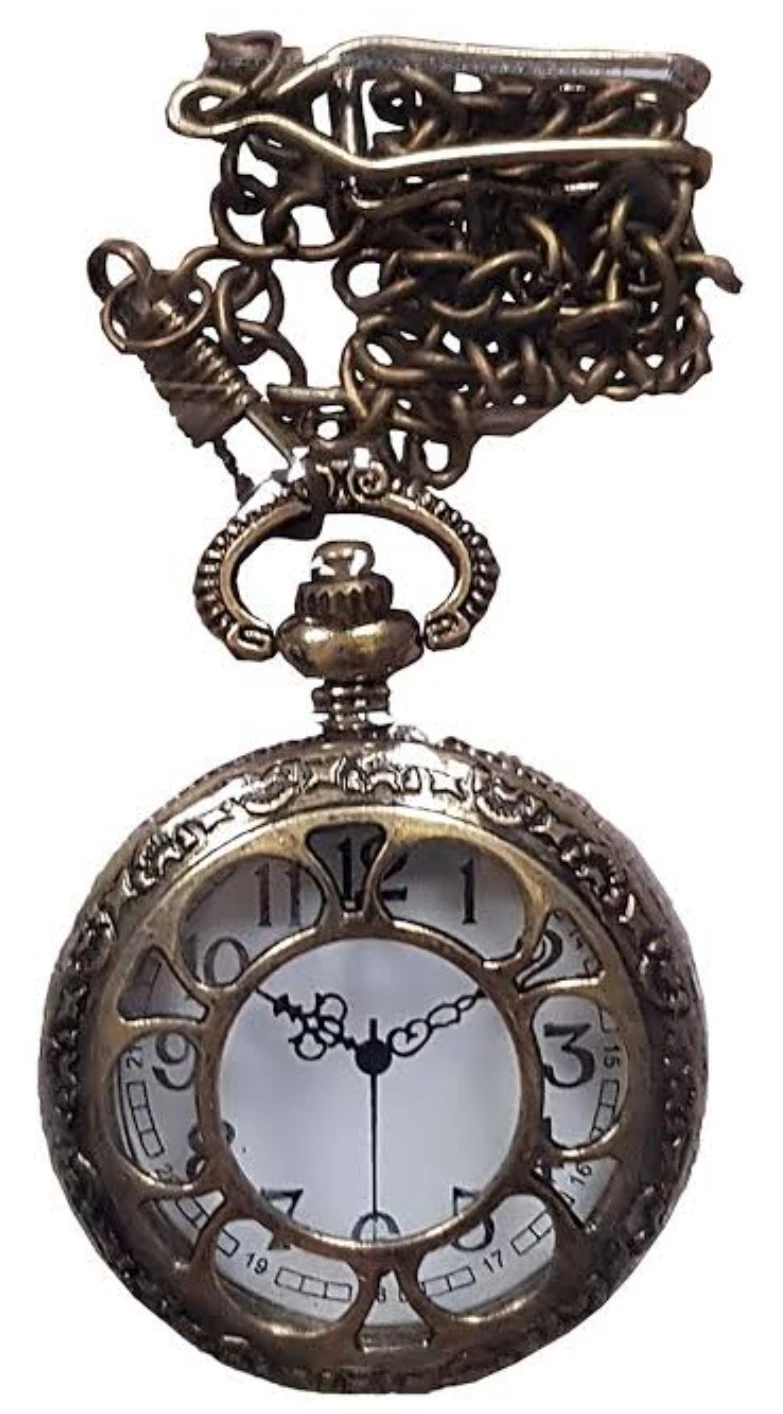
A young girl named Clara walks in. She’s holding a heavy, silent pocket watch that belonged to her father. She’s crying, not because the watch is broken, but because she feels like she is—everything she touches lately seems to fall apart, and she’s convinced she’s the reason the watch stopped ticking.
Elias didn’t hide his hands beneath the counter. Instead, he reached out and set them flat on the scarred wooden workbench. Clara watched as his fingers danced with a restless, unstoppable vibration.
"You see these?" Elias asked, his voice like soft sandpaper. "Most people look at a watchmaker with shaking hands and see a tragedy. They think the stillness is where the magic happens."
He slid the pocket watch toward him. As his trembling fingers touched the cold silver casing, the vibration of his hands seemed to pulse against the metal.
"Clara, if a watch were perfectly tight—if every gear fit against the next with no gap, no 'play'—the metal would expand in the sun and the whole thing would seize up. It would choke on its own perfection."
He used a small tool to pop the back casing. Inside, the gears were frozen. Elias didn’t try to force them. He simply rested one shaking finger lightly against the balance wheel. The steady, rhythmic tremor of his hand acted like a gentle, living frequency.
"You think you broke this because you’re a 'mess,'" he whispered, meeting her tear-filled eyes. "But I think the watch just forgot how to move. It’s waiting for a bit of friction to remind it of the rhythm."
As his hand shook, the tiny vibrations traveled into the heart of the watch. A speck of dust dislodged. A gear shuddered. Then, with a faint, silvery tick, the mechanism caught his rhythm.
"I can't hold a steady line," Elias smiled, "but I can feel the heartbeat of things because I'm always moving. My 'broken' part is the only thing that could jump-start this. You aren't the reason it stopped, Clara. You’re just the one brave enough to bring it into the light.
Clara stared at the watch, her breath hitching as the rhythmic tick-tick-tick filled the quiet spaces of the shop. She didn't reach for the watch; she reached for her own hands, twisting them in her lap.
"How do you... make it look so easy?" she whispered. "My 'shake' doesn't feel like a rhythm. It just feels like I'm falling apart. I spend all day trying to hold my breath so I don't break anything else. Doesn't it exhaust you? Fighting the tremor?"
Elias leaned back, his hands still vibrating against the wood, a quiet hum of kinetic energy. He didn't try to tuck them into his pockets.
"That’s the secret, Clara," he said softly. "I stopped fighting it three years ago. When you fight the shake, you’re using all your strength just to stay still. You have nothing left for the world. But when you lean into the movement—when you let the broken parts of you find their own frequency—you stop being a wall and start being a bridge."
He pushed the ticking watch toward her.
"You aren't falling apart," he added, his eyes kind. "You’re just vibrating at a speed the world hasn't taught you how to use yet. Don't hold your breath. Breathe with the mess. That’s where the music starts."
Clara touched the watch, and for the first time, she didn't pull her hand back when her fingers began to tremble. She let the watch shake with her, and together, they kept perfect time.
Clara stepped out of the shop and back into the rain. Usually, she would have tucked her hands deep into her coat sleeves, hiding the tension that made her shoulders ache. But as she gripped the silver watch in her pocket, she felt it pulsing against her palm—a tiny, mechanical heart.
She didn't try to walk perfectly. She didn't try to look composed. She simply walked, letting her uneven pace match the internal ticking. For the first time, the world didn't feel like a glass house she was about to shatter; it felt like a symphony she was finally allowed to play in.
We spend so much time trying to be "still" and "perfect" that we forget we are dynamic, living things. Resilience isn't about returning to how you were before; it's about integrated movement.
Konnichiwa. Anata ga kono jinsei de "Ikigai" wo mitsuke, sono kizuato ni "Kintsugi" wo hodokoshite kagayakaseru koto ga dekimasu you ni. Ai to hikari wo komete. Arigatou gozaimasu.
#WoundedHealerTalk
#ScarsHealSmarter
Elias is a master horologist, but his hands have a permanent, rhythmic tremor—a "scar" from a fever years ago. He can no longer hold a tiny gear without it shaking. To anyone else, he’s a broken clockmaker. To the desperate, he’s the only one who can hear the "heartbeat" of a machine.
A young girl named Clara walks in. She’s holding a heavy, silent pocket watch that belonged to her father. She’s crying, not because the watch is broken, but because she feels like she is—everything she touches lately seems to fall apart, and she’s convinced she’s the reason the watch stopped ticking.
Elias didn’t hide his hands beneath the counter. Instead, he reached out and set them flat on the scarred wooden workbench. Clara watched as his fingers danced with a restless, unstoppable vibration.
"You see these?" Elias asked, his voice like soft sandpaper. "Most people look at a watchmaker with shaking hands and see a tragedy. They think the stillness is where the magic happens."
He slid the pocket watch toward him. As his trembling fingers touched the cold silver casing, the vibration of his hands seemed to pulse against the metal.
"Clara, if a watch were perfectly tight—if every gear fit against the next with no gap, no 'play'—the metal would expand in the sun and the whole thing would seize up. It would choke on its own perfection."
He used a small tool to pop the back casing. Inside, the gears were frozen. Elias didn’t try to force them. He simply rested one shaking finger lightly against the balance wheel. The steady, rhythmic tremor of his hand acted like a gentle, living frequency.
"You think you broke this because you’re a 'mess,'" he whispered, meeting her tear-filled eyes. "But I think the watch just forgot how to move. It’s waiting for a bit of friction to remind it of the rhythm."
As his hand shook, the tiny vibrations traveled into the heart of the watch. A speck of dust dislodged. A gear shuddered. Then, with a faint, silvery tick, the mechanism caught his rhythm.
"I can't hold a steady line," Elias smiled, "but I can feel the heartbeat of things because I'm always moving. My 'broken' part is the only thing that could jump-start this. You aren't the reason it stopped, Clara. You’re just the one brave enough to bring it into the light.
Clara stared at the watch, her breath hitching as the rhythmic tick-tick-tick filled the quiet spaces of the shop. She didn't reach for the watch; she reached for her own hands, twisting them in her lap.
"How do you... make it look so easy?" she whispered. "My 'shake' doesn't feel like a rhythm. It just feels like I'm falling apart. I spend all day trying to hold my breath so I don't break anything else. Doesn't it exhaust you? Fighting the tremor?"
Elias leaned back, his hands still vibrating against the wood, a quiet hum of kinetic energy. He didn't try to tuck them into his pockets.
"That’s the secret, Clara," he said softly. "I stopped fighting it three years ago. When you fight the shake, you’re using all your strength just to stay still. You have nothing left for the world. But when you lean into the movement—when you let the broken parts of you find their own frequency—you stop being a wall and start being a bridge."
He pushed the ticking watch toward her.
"You aren't falling apart," he added, his eyes kind. "You’re just vibrating at a speed the world hasn't taught you how to use yet. Don't hold your breath. Breathe with the mess. That’s where the music starts."
Clara touched the watch, and for the first time, she didn't pull her hand back when her fingers began to tremble. She let the watch shake with her, and together, they kept perfect time.
Clara stepped out of the shop and back into the rain. Usually, she would have tucked her hands deep into her coat sleeves, hiding the tension that made her shoulders ache. But as she gripped the silver watch in her pocket, she felt it pulsing against her palm—a tiny, mechanical heart.
She didn't try to walk perfectly. She didn't try to look composed. She simply walked, letting her uneven pace match the internal ticking. For the first time, the world didn't feel like a glass house she was about to shatter; it felt like a symphony she was finally allowed to play in.
We spend so much time trying to be "still" and "perfect" that we forget we are dynamic, living things. Resilience isn't about returning to how you were before; it's about integrated movement.
Konnichiwa. Anata ga kono jinsei de "Ikigai" wo mitsuke, sono kizuato ni "Kintsugi" wo hodokoshite kagayakaseru koto ga dekimasu you ni. Ai to hikari wo komete. Arigatou gozaimasu.