
57 reactions
🌳✨ THE AMAZING BAOBAB TREE — NATURE’S BIGGEST WATER BOTTLE! 😂💧
Meet the baobab, one of the most iconic trees, and honestly, it looks like it was designed by someone who had a very creative imagination! 🤭🌿
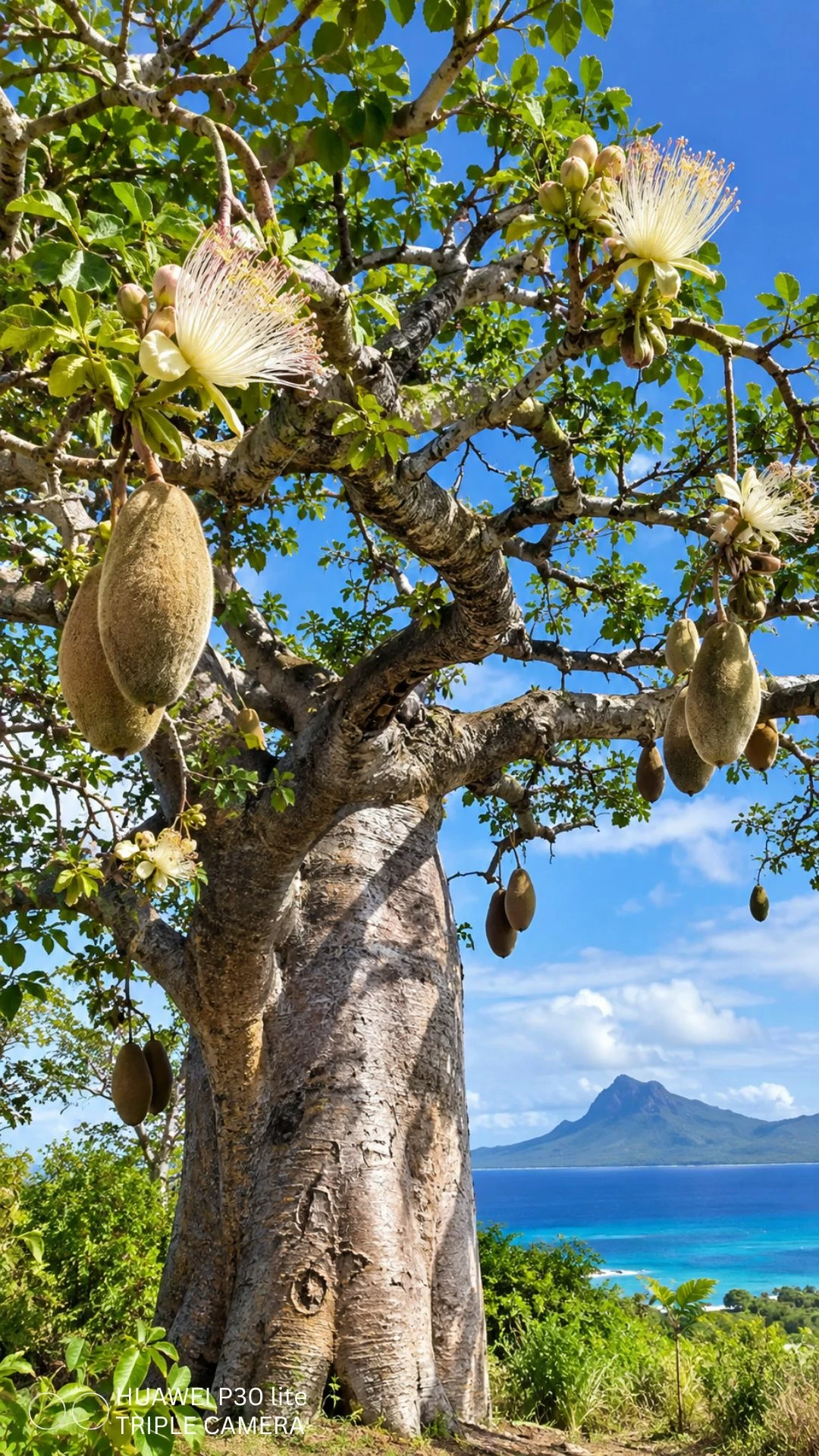
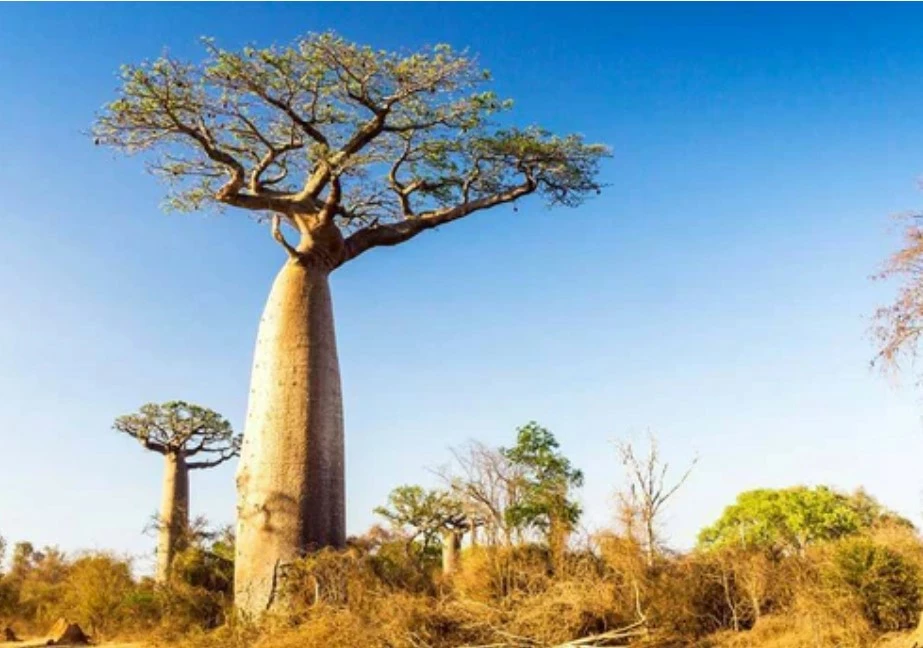
With its enormous trunk and branches that look like roots reaching toward the sky, the baobab is sometimes called the “upside-down tree.” 🌳🙃
But here’s the really cool part, its huge trunk can store thousands of litres of water , helping it survive long, dry seasons. 💧☀️ Talk about being prepared!
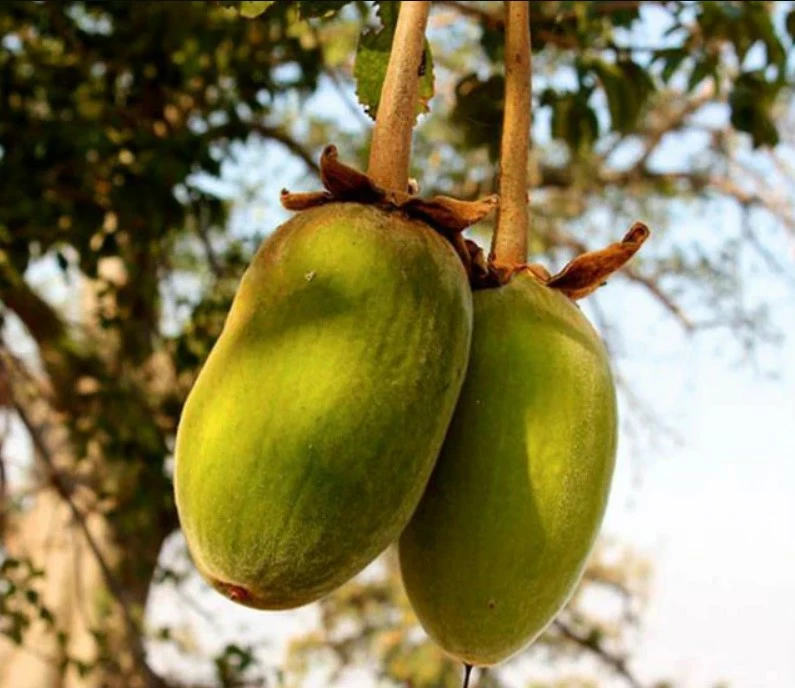
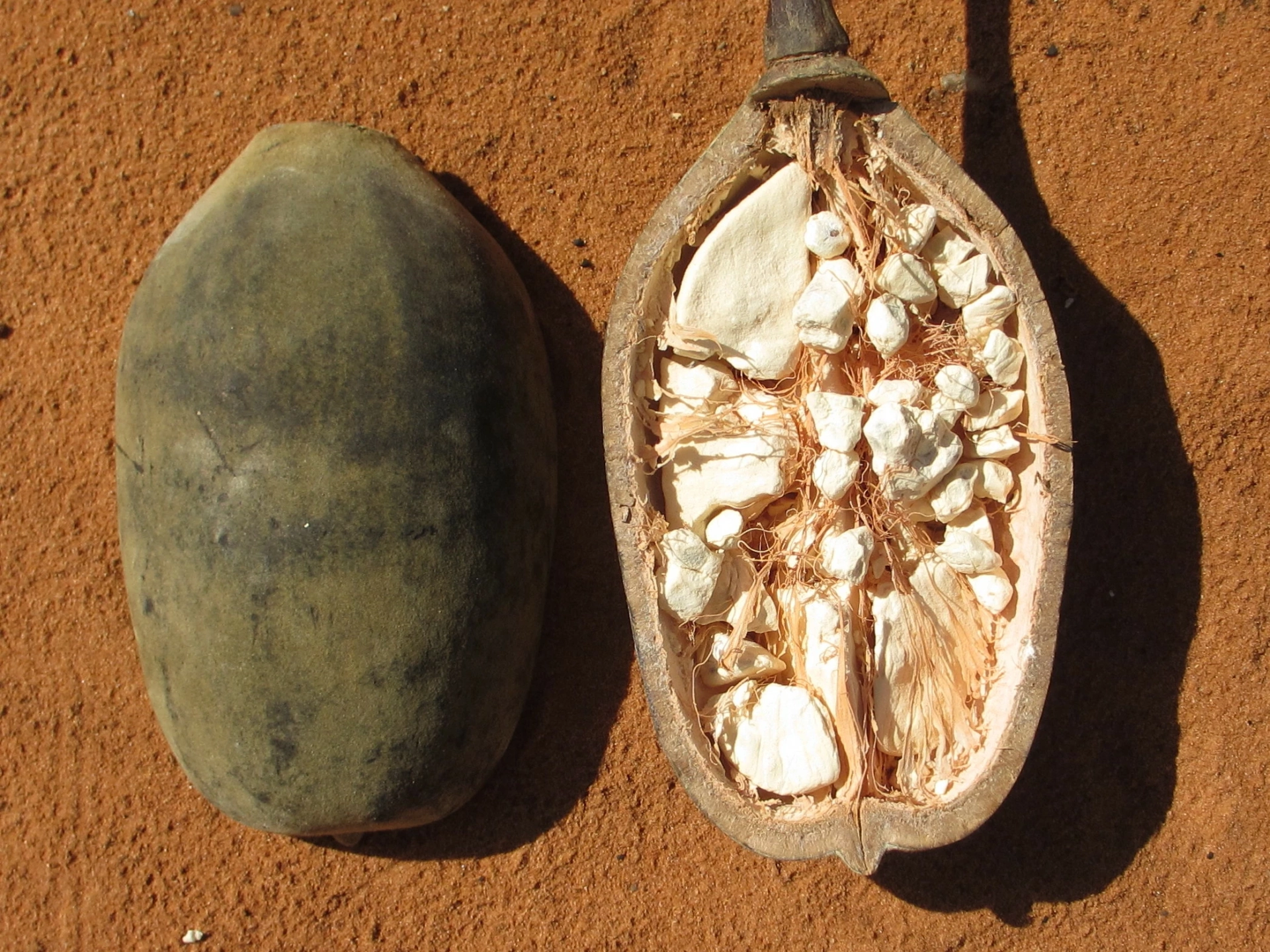
And the baobab isn’t just a pretty face. Its fruit, often called monkey bread , is edible and naturally rich in vitamin C and other nutrients. 🐒🥭
Some baobabs can live for hundreds or even thousands of years , becoming silent witnesses to generations of people, animals, and changing landscapes. 🥰🌍
Basically, the baobab is saying:
“Why have a water bottle when you can BE the water bottle?” 😂💧🌳
Nature really does have a sense of humour! 💚✨
Have you ever seen a baobab tree in person? 🌳😍
#BaobabTree #Baobab #NatureLovers #NatureWonder #NaturePhotography #AncientTree
Meet the baobab, one of the most iconic trees, and honestly, it looks like it was designed by someone who had a very creative imagination! 🤭🌿
With its enormous trunk and branches that look like roots reaching toward the sky, the baobab is sometimes called the “upside-down tree.” 🌳🙃
But here’s the really cool part, its huge trunk can store thousands of litres of water , helping it survive long, dry seasons. 💧☀️ Talk about being prepared!
And the baobab isn’t just a pretty face. Its fruit, often called monkey bread , is edible and naturally rich in vitamin C and other nutrients. 🐒🥭
Some baobabs can live for hundreds or even thousands of years , becoming silent witnesses to generations of people, animals, and changing landscapes. 🥰🌍
Basically, the baobab is saying:
“Why have a water bottle when you can BE the water bottle?” 😂💧🌳
Nature really does have a sense of humour! 💚✨
Have you ever seen a baobab tree in person? 🌳😍
#BaobabTree #Baobab #NatureLovers #NatureWonder #NaturePhotography #AncientTree


6

5

4

2

2
1

1

1

1

1
1

1

1
37 reactions
The 2,000-year-old Tree of Life in South Africa
Please scroll down for more pictures of this amazing tree.
The baobab tree, also known as the "Tree of Life" in Africa, is a truly unique and awe-inspiring species. Some specimens, like the one in South Africa, are estimated to be over 2,000 years old! These ancient trees are not only majestic in size, but also hold a special significance in the cultures of sub-Saharan Africa.
Uniquely Adapted for Survival
Baobab trees have adapted to the harsh African savanna climate with their large, bulbous trunks that store water during the dry season. Their thick bark also helps to protect them from wildfires. The baobab tree can grow up to 30 meters (98 feet) tall and have a trunk circumference of up to 10 meters (33 feet).
The Tree of Life
The baobab tree has earned its nickname, "Tree of Life," for its many uses. The leaves, fruit, and seeds of the tree are all edible. The bark can be used to make rope and cloth. The hollow trunks of some baobab trees have even been used as shelters or storage places.
Sadly, some of the oldest baobab trees in Africa are dying due to climate change and habitat loss. Conservation efforts are underway to protect these magnificent trees.
Here are some additional interesting facts about baobab trees:
Baobab trees are deciduous, meaning they lose their leaves during the dry season.
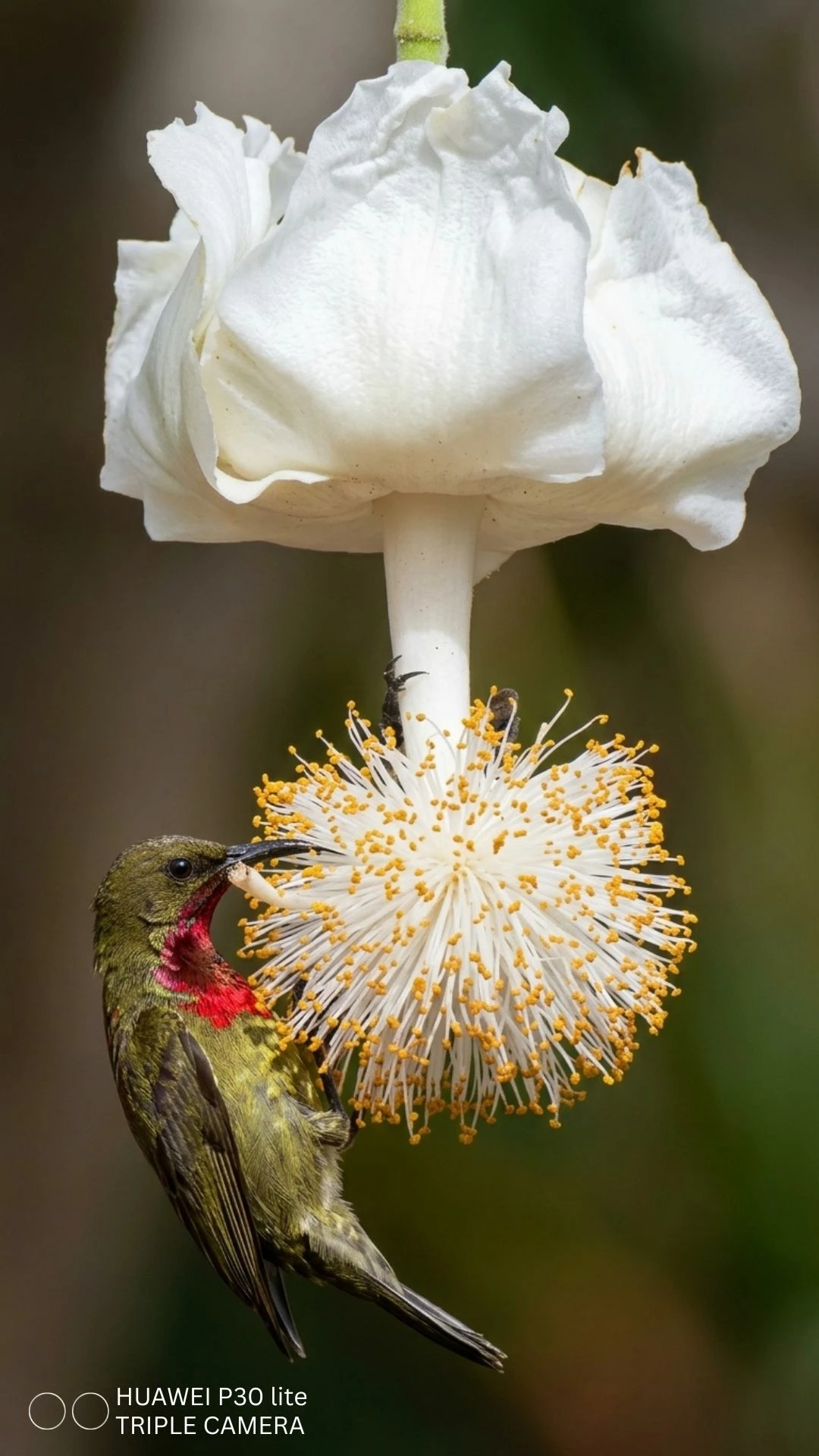
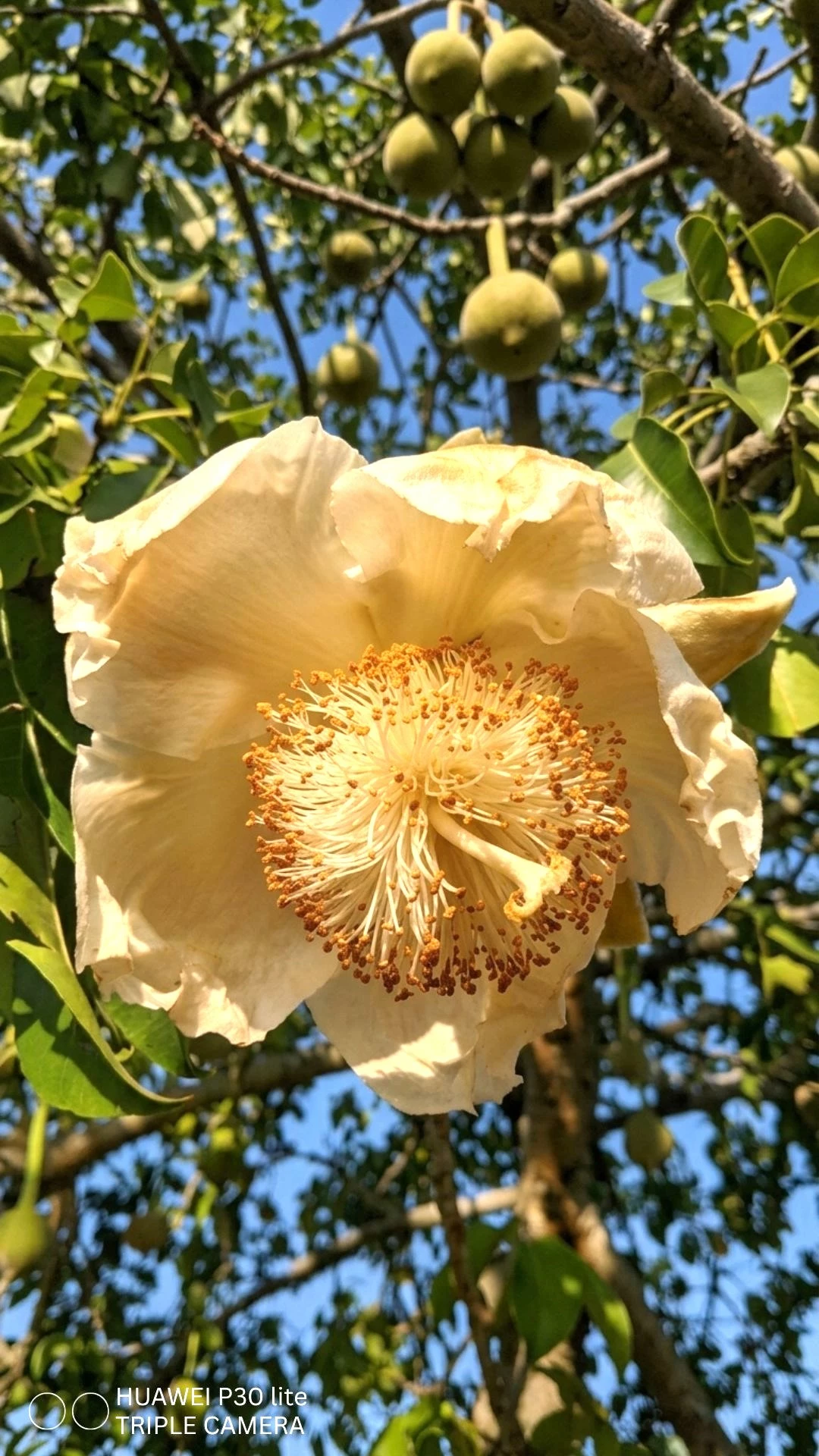
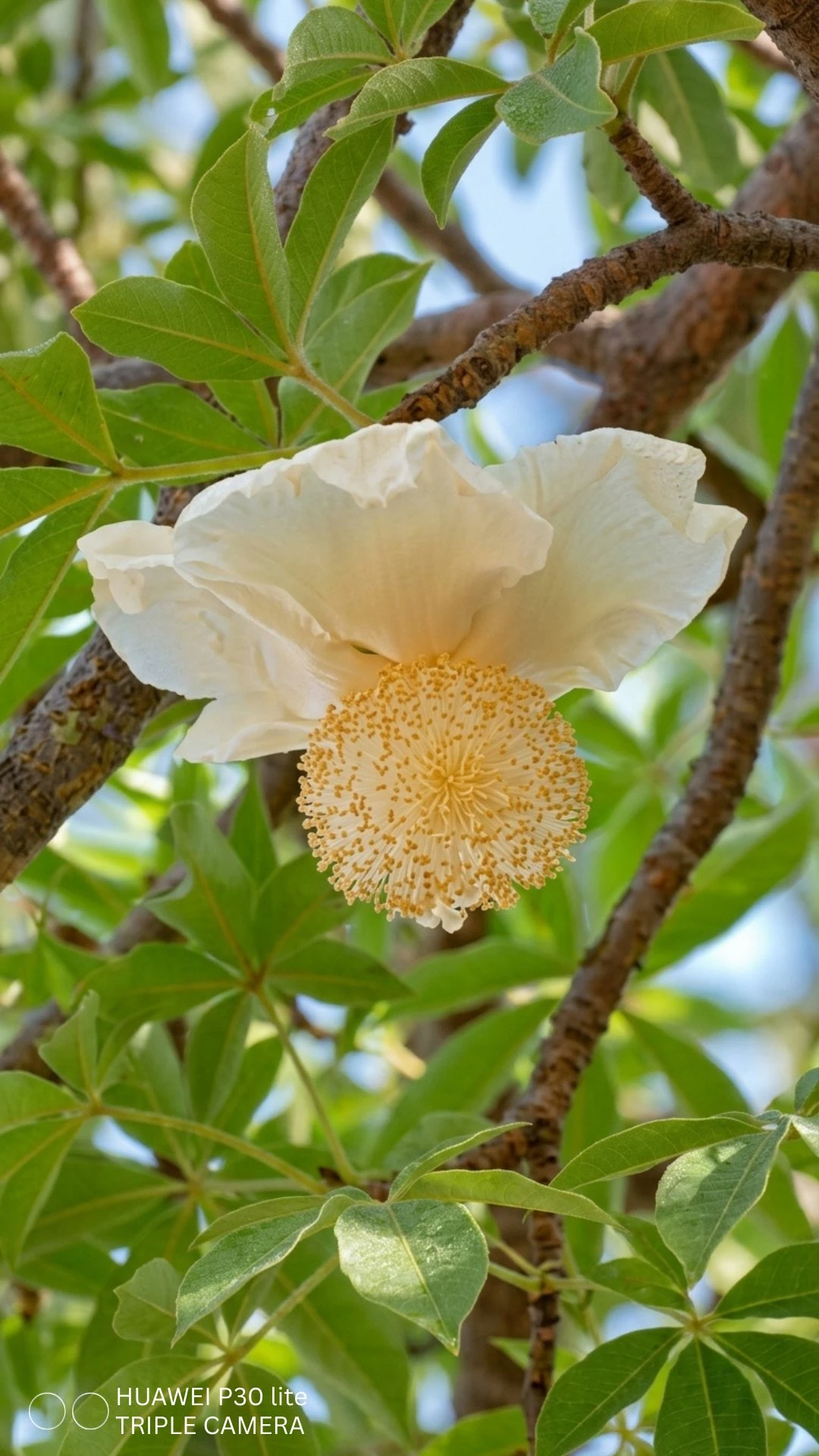
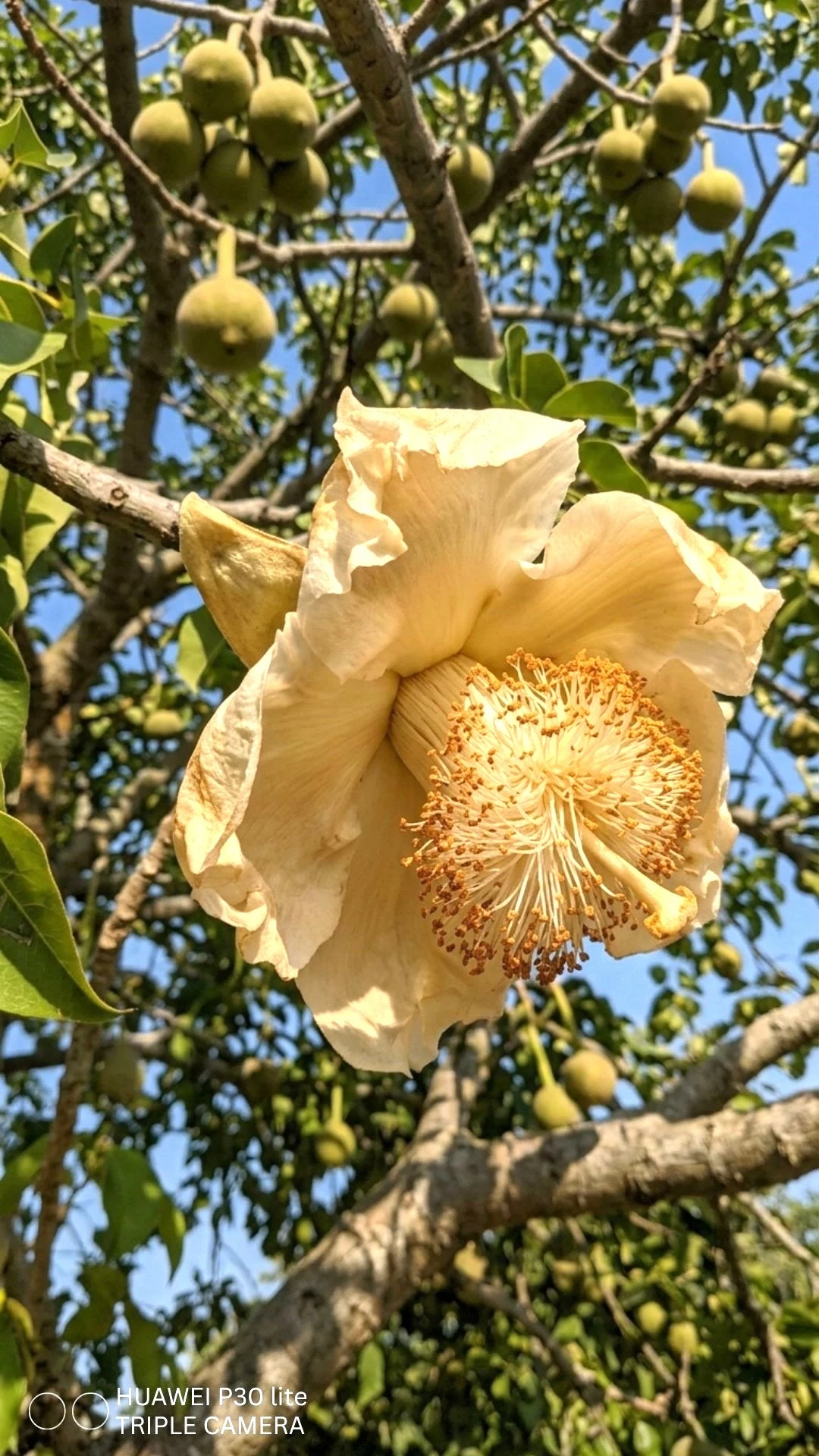
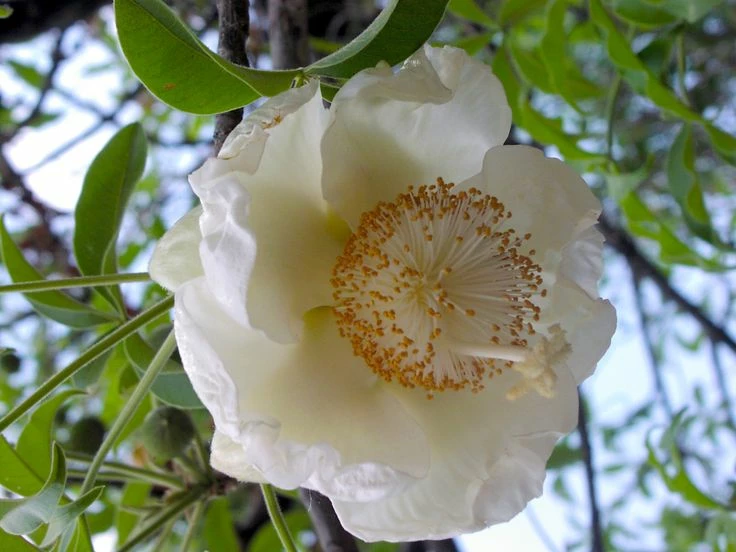
The flowers of the baobab tree are white and only last for one night.
The baobab fruit, sometimes called monkey bread, is a treasure trove of nutrients and boasts a range of potential health benefits.
Here are some of the key reasons why this unique fruit is gaining popularity:
Antioxidant Powerhouse: Baobab is packed with antioxidants, including vitamin C and polyphenols. These compounds help fight free radicals in the body, which can contribute to cell damage and chronic diseases.
Digestive Aid: The high fiber content in baobab fruit can promote healthy digestion and regularity. Fiber helps keep you feeling full and can also aid in the absorption of nutrients.
Blood Sugar Balancing Act: Early studies suggest that baobab may help regulate blood sugar levels. The soluble fiber content may slow down the absorption of sugar into the bloodstream, potentially benefiting those with diabetes or prediabetes.
Immune System Support: The high vitamin C content in baobab fruit can contribute to a healthy immune system, which is important for fighting off infections and staying well.
Skincare from Within: The antioxidants and vitamin C in baobab may also benefit your skin. These compounds can help protect against sun damage and promote collagen production, which can lead to a more youthful appearance.
While more research is needed to fully understand the extent of baobab's health benefits, it's certainly a promising addition to a healthy diet.
Baobab trees are an important part of the African savanna ecosystem, providing food and shelter for many animals.
#baobabtree #treeoflife #africa #unique #majestic #ancienttrees #deciduous #baobabfruit #savannaconservation #treeconservation #endangeredtrees #monkeybread #naturelover #botany #africansavanna
Please scroll down for more pictures of this amazing tree.
The baobab tree, also known as the "Tree of Life" in Africa, is a truly unique and awe-inspiring species. Some specimens, like the one in South Africa, are estimated to be over 2,000 years old! These ancient trees are not only majestic in size, but also hold a special significance in the cultures of sub-Saharan Africa.
Uniquely Adapted for Survival
Baobab trees have adapted to the harsh African savanna climate with their large, bulbous trunks that store water during the dry season. Their thick bark also helps to protect them from wildfires. The baobab tree can grow up to 30 meters (98 feet) tall and have a trunk circumference of up to 10 meters (33 feet).
The Tree of Life
The baobab tree has earned its nickname, "Tree of Life," for its many uses. The leaves, fruit, and seeds of the tree are all edible. The bark can be used to make rope and cloth. The hollow trunks of some baobab trees have even been used as shelters or storage places.
Sadly, some of the oldest baobab trees in Africa are dying due to climate change and habitat loss. Conservation efforts are underway to protect these magnificent trees.
Here are some additional interesting facts about baobab trees:
Baobab trees are deciduous, meaning they lose their leaves during the dry season.
The flowers of the baobab tree are white and only last for one night.
The baobab fruit, sometimes called monkey bread, is a treasure trove of nutrients and boasts a range of potential health benefits.
Here are some of the key reasons why this unique fruit is gaining popularity:
Antioxidant Powerhouse: Baobab is packed with antioxidants, including vitamin C and polyphenols. These compounds help fight free radicals in the body, which can contribute to cell damage and chronic diseases.
Digestive Aid: The high fiber content in baobab fruit can promote healthy digestion and regularity. Fiber helps keep you feeling full and can also aid in the absorption of nutrients.
Blood Sugar Balancing Act: Early studies suggest that baobab may help regulate blood sugar levels. The soluble fiber content may slow down the absorption of sugar into the bloodstream, potentially benefiting those with diabetes or prediabetes.
Immune System Support: The high vitamin C content in baobab fruit can contribute to a healthy immune system, which is important for fighting off infections and staying well.
Skincare from Within: The antioxidants and vitamin C in baobab may also benefit your skin. These compounds can help protect against sun damage and promote collagen production, which can lead to a more youthful appearance.
While more research is needed to fully understand the extent of baobab's health benefits, it's certainly a promising addition to a healthy diet.
Baobab trees are an important part of the African savanna ecosystem, providing food and shelter for many animals.
#baobabtree #treeoflife #africa #unique #majestic #ancienttrees #deciduous #baobabfruit #savannaconservation #treeconservation #endangeredtrees #monkeybread #naturelover #botany #africansavanna
18
5
3