57 reactions
🌳✨ THE AMAZING BAOBAB TREE — NATURE’S BIGGEST WATER BOTTLE! 😂💧
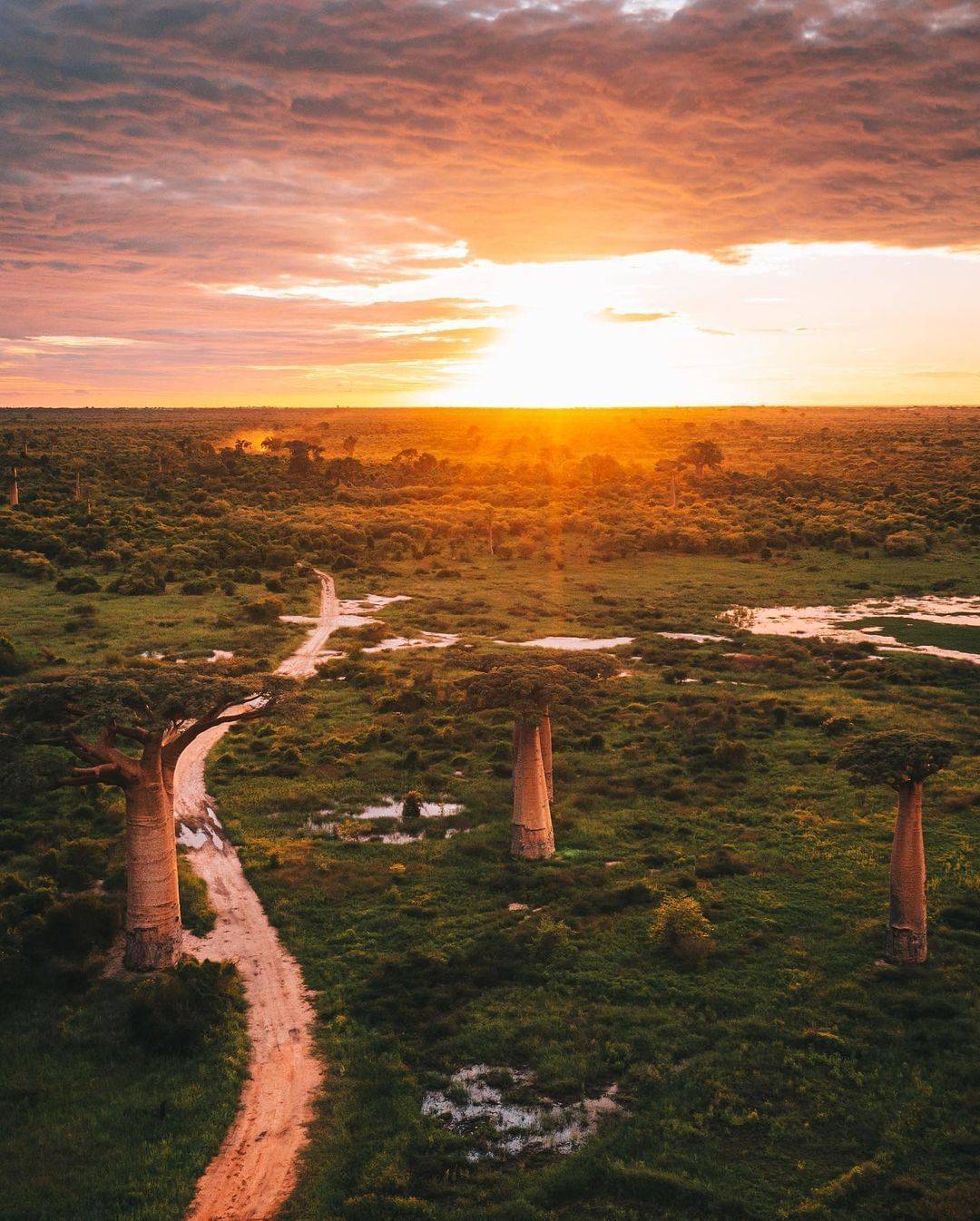
Meet the baobab, one of the most iconic trees, and honestly, it looks like it was designed by someone who had a very creative imagination! 🤭🌿
With its enormous trunk and branches that look like roots reaching toward the sky, the baobab is sometimes called the “upside-down tree.” 🌳🙃
But here’s the really cool part, its huge trunk can store thousands of litres of water , helping it survive long, dry seasons. 💧☀️ Talk about being prepared!
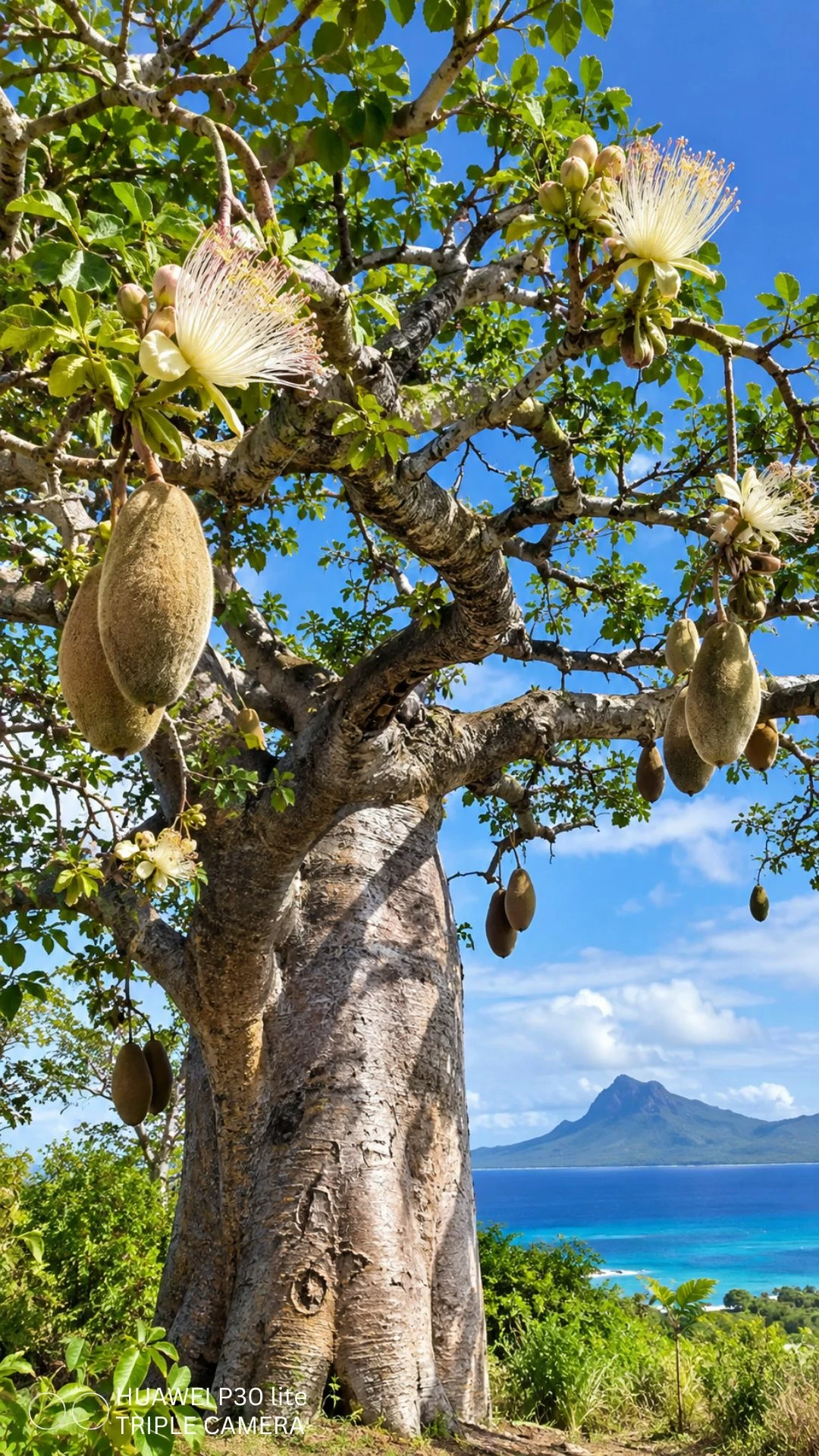
And the baobab isn’t just a pretty face. Its fruit, often called monkey bread , is edible and naturally rich in vitamin C and other nutrients. 🐒🥭
Some baobabs can live for hundreds or even thousands of years , becoming silent witnesses to generations of people, animals, and changing landscapes. 🥰🌍
Basically, the baobab is saying:
“Why have a water bottle when you can BE the water bottle?” 😂💧🌳
Nature really does have a sense of humour! 💚✨
Have you ever seen a baobab tree in person? 🌳😍
#BaobabTree #Baobab #NatureLovers #NatureWonder #NaturePhotography #AncientTree
Meet the baobab, one of the most iconic trees, and honestly, it looks like it was designed by someone who had a very creative imagination! 🤭🌿
With its enormous trunk and branches that look like roots reaching toward the sky, the baobab is sometimes called the “upside-down tree.” 🌳🙃
But here’s the really cool part, its huge trunk can store thousands of litres of water , helping it survive long, dry seasons. 💧☀️ Talk about being prepared!
And the baobab isn’t just a pretty face. Its fruit, often called monkey bread , is edible and naturally rich in vitamin C and other nutrients. 🐒🥭
Some baobabs can live for hundreds or even thousands of years , becoming silent witnesses to generations of people, animals, and changing landscapes. 🥰🌍
Basically, the baobab is saying:
“Why have a water bottle when you can BE the water bottle?” 😂💧🌳
Nature really does have a sense of humour! 💚✨
Have you ever seen a baobab tree in person? 🌳😍
#BaobabTree #Baobab #NatureLovers #NatureWonder #NaturePhotography #AncientTree


6

5

4

2

2
1

1

1

1

1
1

1

1

3 reactions
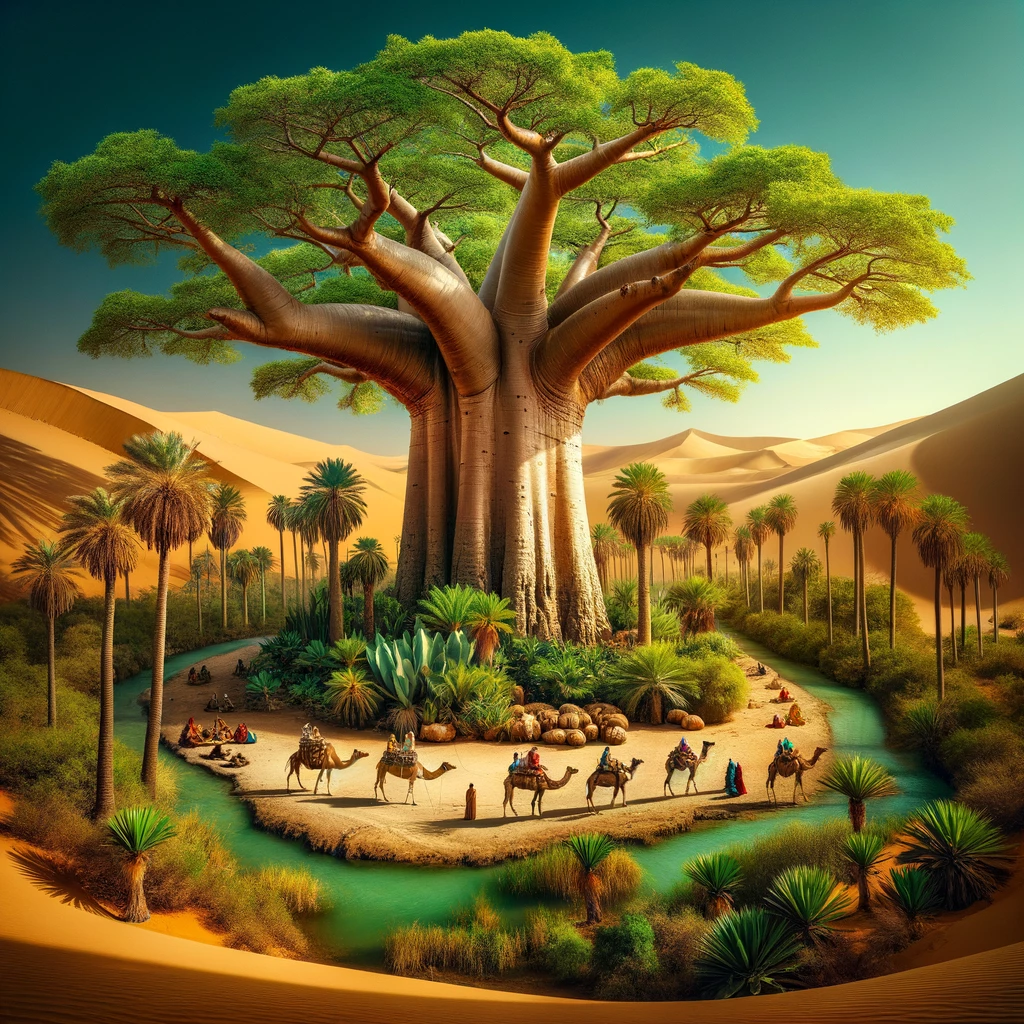
**The Majestic African Baobab Tree**
The African baobab tree (Adansonia digitata) is a remarkable species native to the African savanna. Known for its iconic silhouette and unique characteristics, it is a symbol of resilience and longevity.
Standing up to 25 meters tall, the baobab's massive trunk has a diameter that can exceed 10 meters. Its smooth, gray bark provides protection from bushfires and its vast canopy offers shade for animals and humans alike. The large, bottle-shaped trunk is used to store water, allowing the tree to survive in arid conditions.
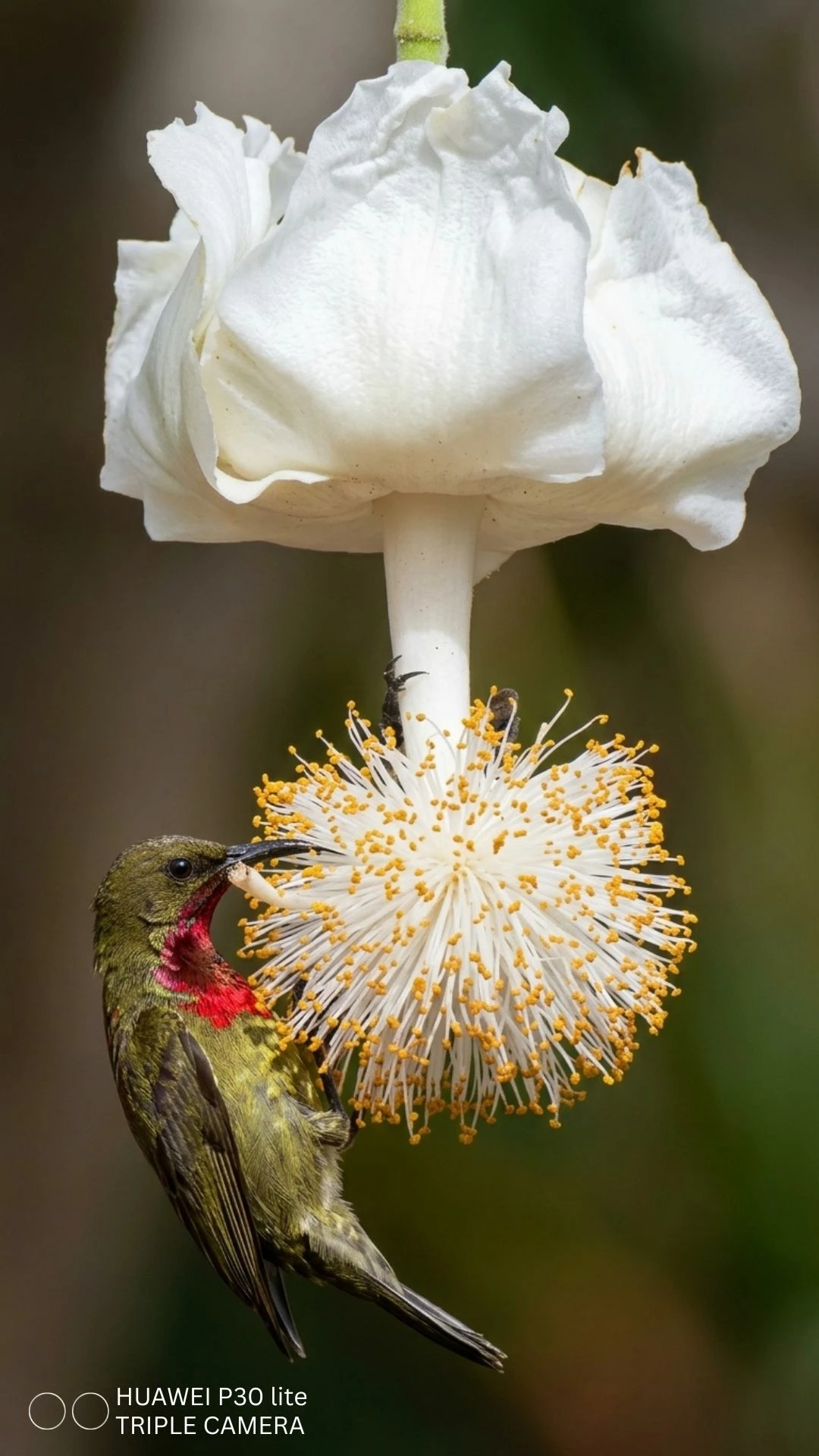
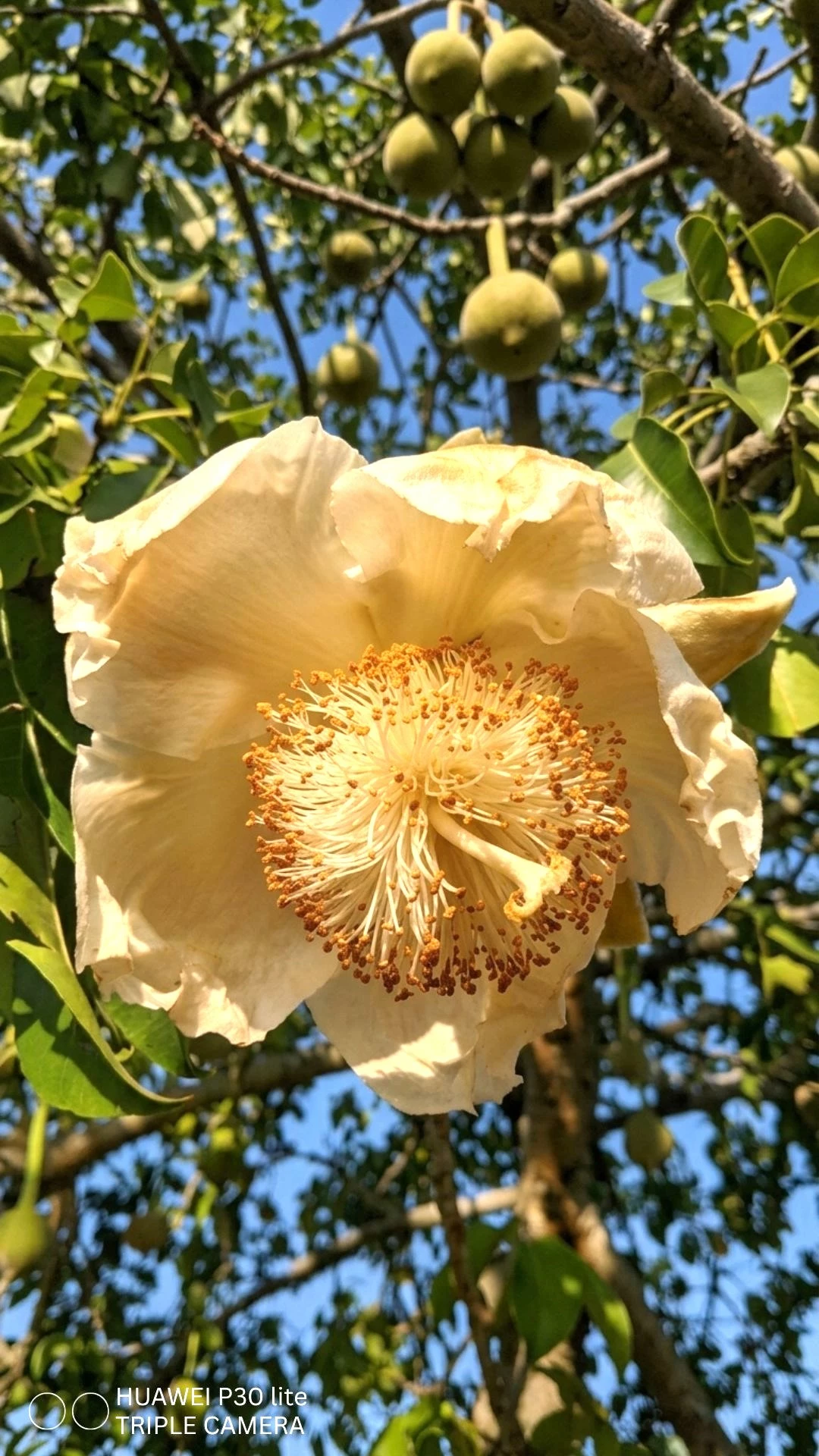
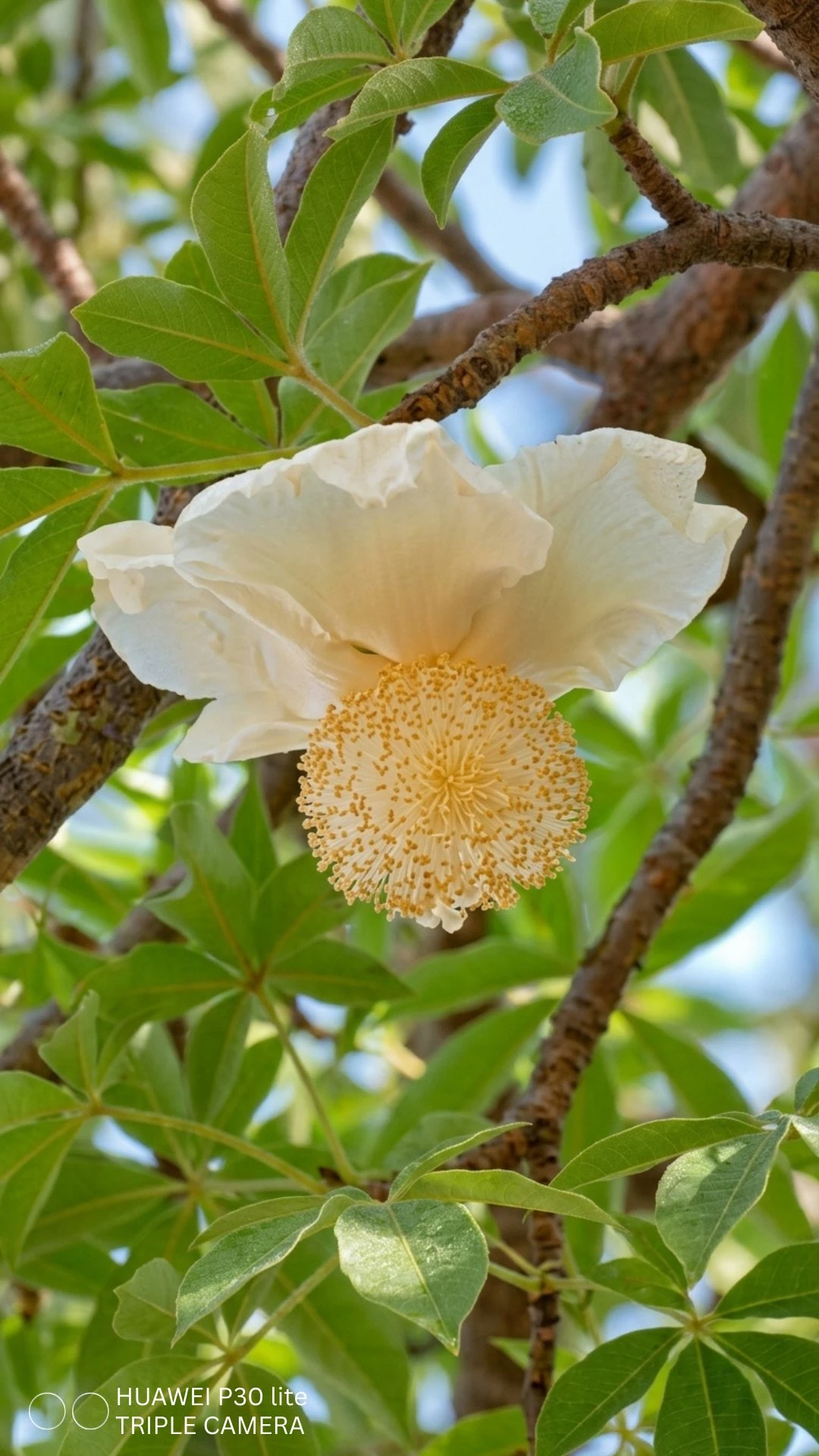
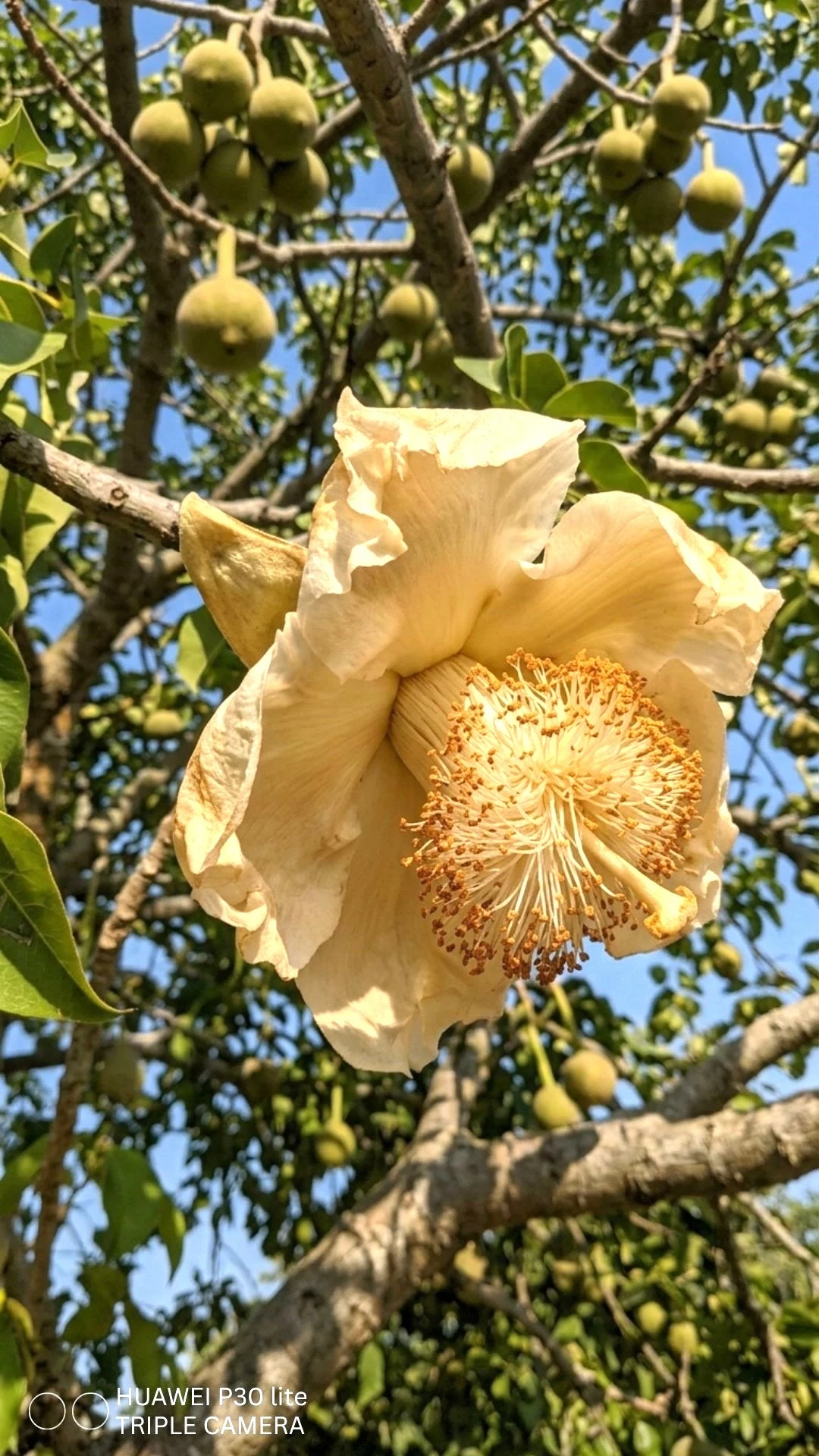
The baobab's leaves are compound, with five to seven leaflets. Its fragrant flowers are large and white, blooming for a single night. The fruits are large, gourd-shaped capsules filled with a tart, powdery pulp that is rich in vitamin C.
The African baobab tree has numerous uses. Its fruit is consumed as food and its pulp can be processed into a refreshing drink. The leaves are used in traditional medicine and the trunk is often used for carving or construction. In some cultures, the tree is considered sacred and is believed to have spiritual significance.
Due to its slow growth and susceptibility to habitat loss, the African baobab tree is considered a threatened species in some areas. Conservation efforts are underway to protect these magnificent trees and ensure their survival for future generations.
Learn Even More Here: https://profitwithprompts.com/prompt/baobab-oasis-in-the-desert-african-sacred-tree9u
#aiworkart #aiart #aibaobabtree #tree #African #baobab
The African baobab tree (Adansonia digitata) is a remarkable species native to the African savanna. Known for its iconic silhouette and unique characteristics, it is a symbol of resilience and longevity.
Standing up to 25 meters tall, the baobab's massive trunk has a diameter that can exceed 10 meters. Its smooth, gray bark provides protection from bushfires and its vast canopy offers shade for animals and humans alike. The large, bottle-shaped trunk is used to store water, allowing the tree to survive in arid conditions.
The baobab's leaves are compound, with five to seven leaflets. Its fragrant flowers are large and white, blooming for a single night. The fruits are large, gourd-shaped capsules filled with a tart, powdery pulp that is rich in vitamin C.
The African baobab tree has numerous uses. Its fruit is consumed as food and its pulp can be processed into a refreshing drink. The leaves are used in traditional medicine and the trunk is often used for carving or construction. In some cultures, the tree is considered sacred and is believed to have spiritual significance.
Due to its slow growth and susceptibility to habitat loss, the African baobab tree is considered a threatened species in some areas. Conservation efforts are underway to protect these magnificent trees and ensure their survival for future generations.
Learn Even More Here: https://profitwithprompts.com/prompt/baobab-oasis-in-the-desert-african-sacred-tree9u
#aiworkart #aiart #aibaobabtree #tree #African #baobab
1
1
1