
3 reactions
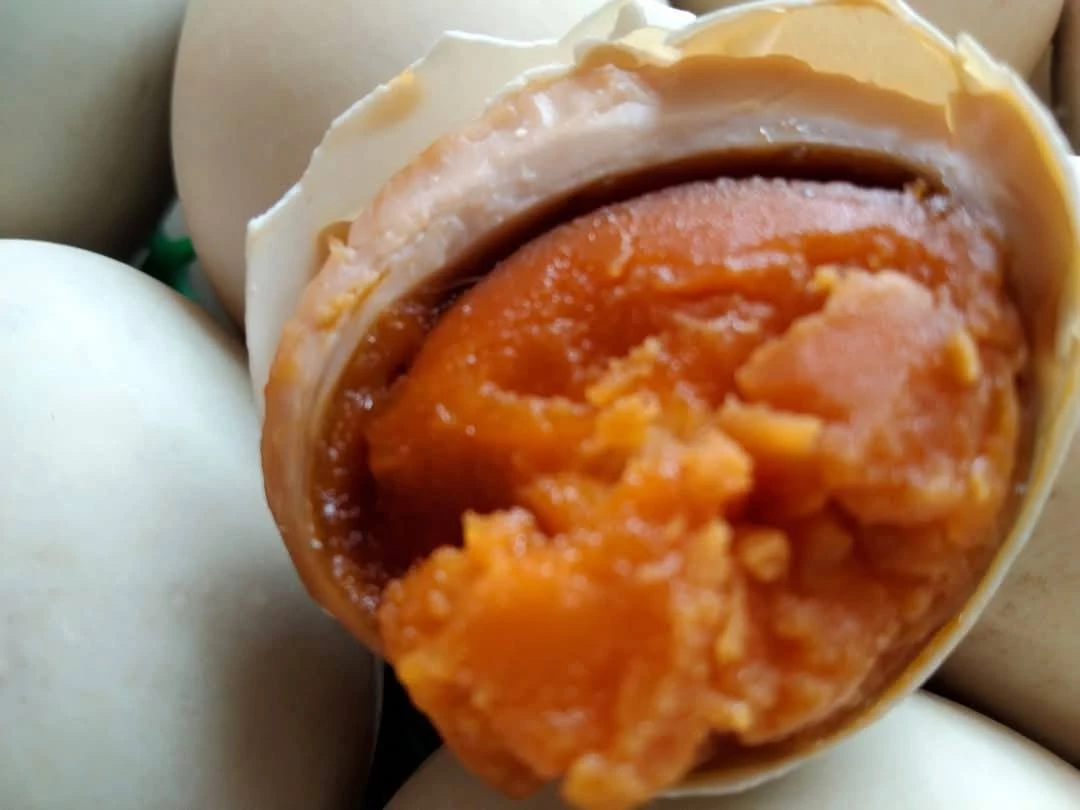
A close-up view of a peeled salted egg reminds us that sometimes, the simplest things in life are the most satisfying! Time to whip up something amazing! 🥚💖 #SimplePleasures #FoodInspiration #CulinaryCreations


3

12 reactions
Edible Flowers
There are many flowers that can be eaten, but it's important to be cautious! Here are some tips for enjoying edible flowers:
Only eat flowers that you know are safe. Many common garden flowers are poisonous.
Buy them from reputable sources. If buying edible flowers from a store or market, make sure they are labeled as "edible" or specifically for culinary use.
Wash them thoroughly. Even edible flowers can harbor dirt or bacteria.
Here are some popular edible flowers to get you started:
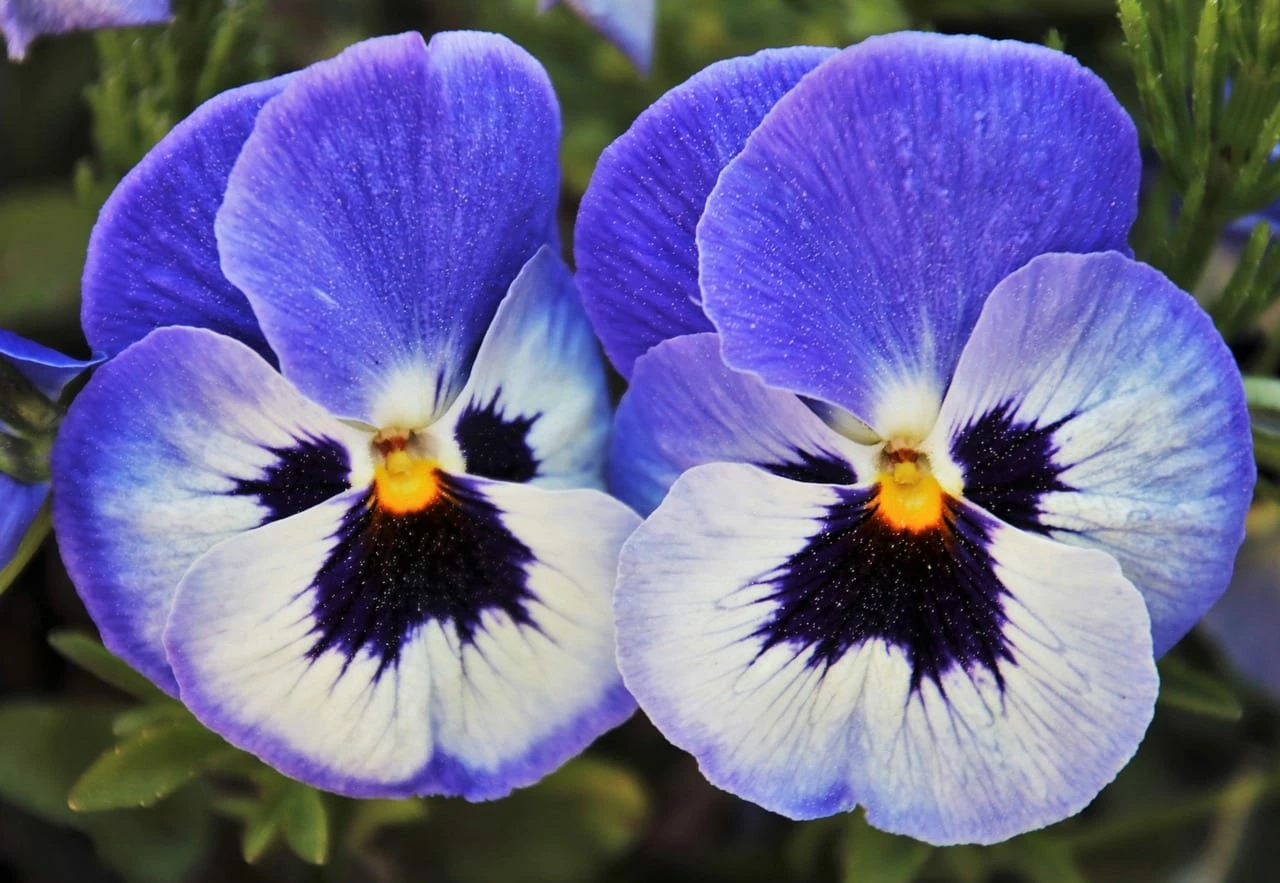
Pansies and violas: These small, colorful flowers have a mild, slightly sweet flavor. They're perfect for garnishing salads, desserts, or cocktails.
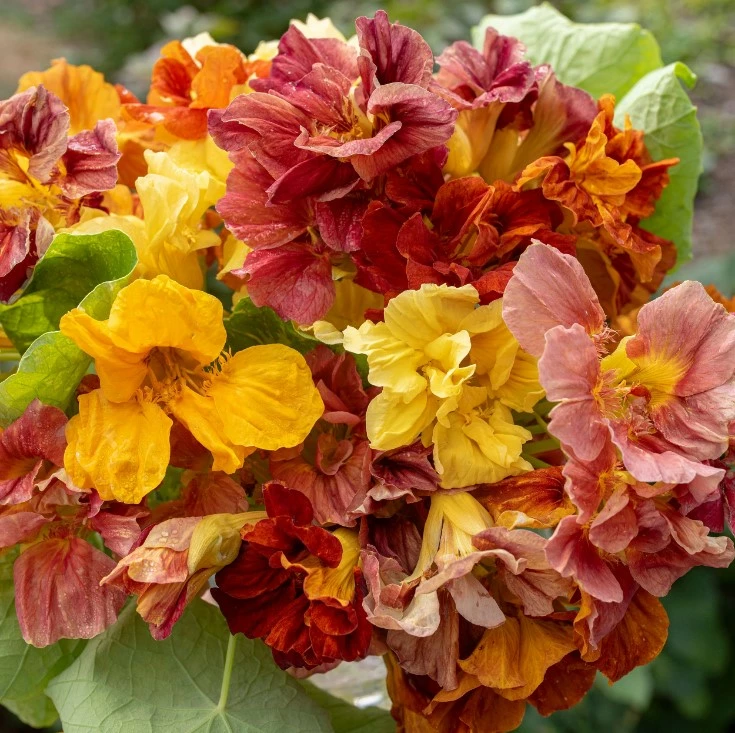
Nasturtiums: The peppery leaves and colorful blossoms of nasturtiums are a delightful addition to salads or sandwiches.
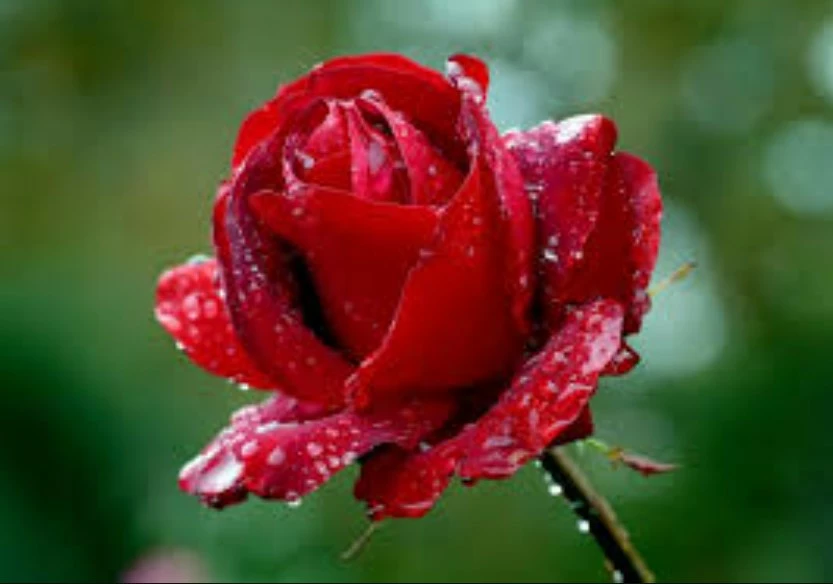
Roses: Rose petals have a delicate floral flavor and can be used in teas, jams, or jellies.
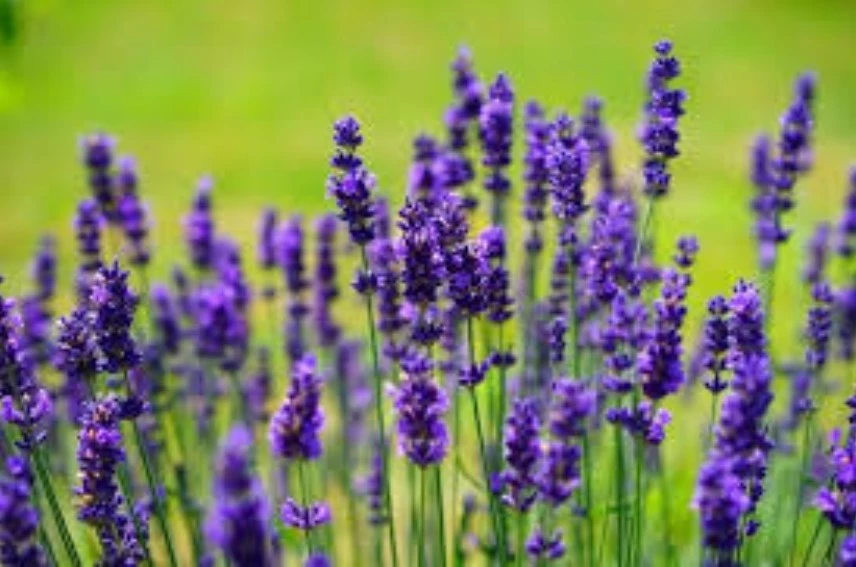
Lavender: Lavender flowers have a distinctive floral and herbal aroma. They can be used in desserts, baked goods, or even savory dishes like roasted vegetables.
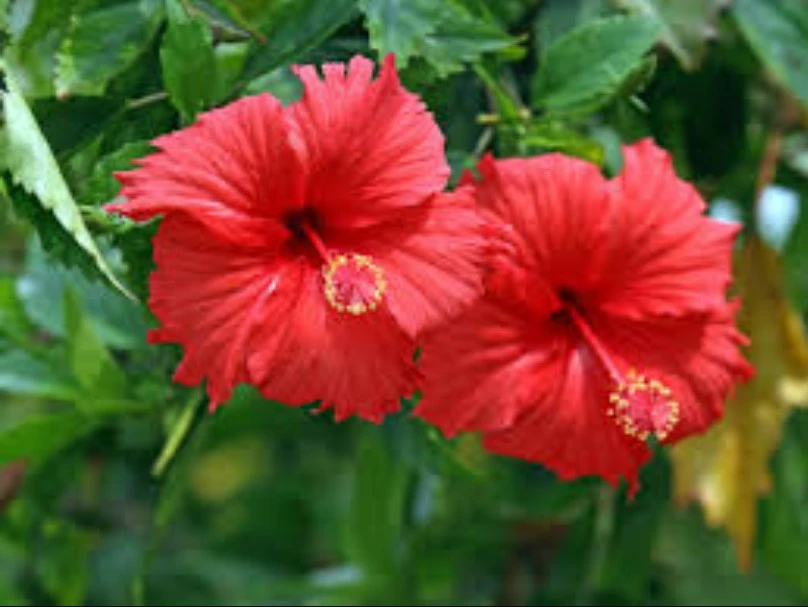
Hibiscus: Hibiscus flowers can be dried and steeped in hot water to make a tart and refreshing tea.
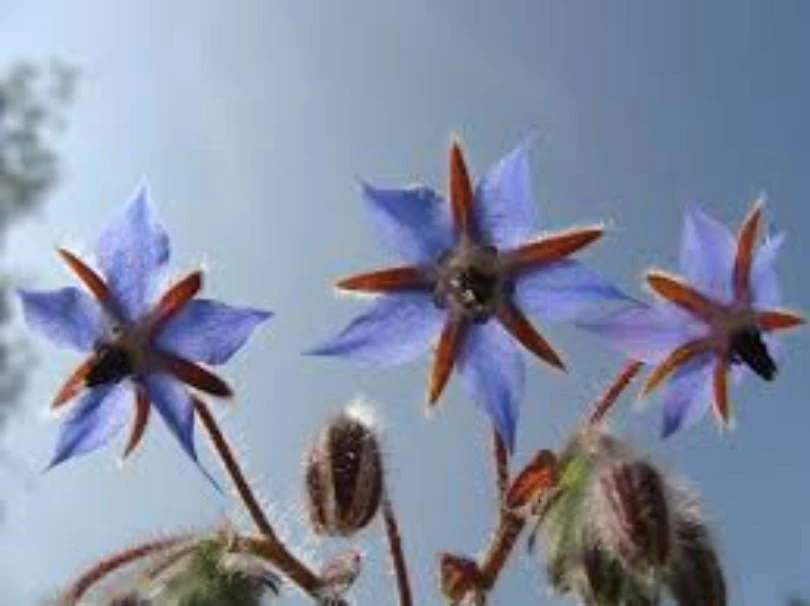
Borage: Borage blossoms have a cucumber-like flavor and can be added to salads, soups, or cocktails.
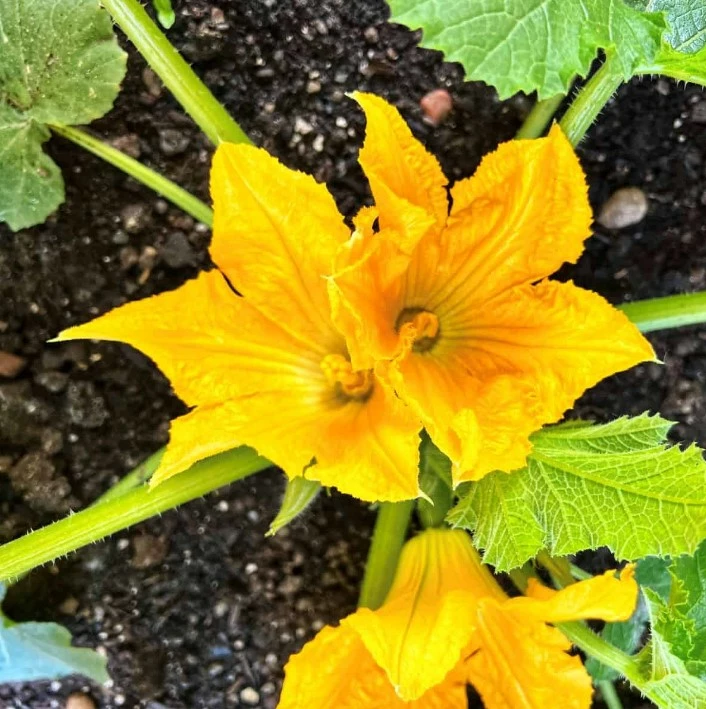
Squash blossoms: These delicate flowers have a mild squash flavor and can be stuffed, battered, and fried.
Here are some resources to help you identify safe edible flowers:
Local gardening stores or farmers markets
Reputable online resources on edible flowers
Herb and specialty food stores
Remember, safety is paramount! Enjoy exploring the world of edible flowers, but always be cautious and do your research before consuming anything.
#EdibleFlowers #CulinaryCreations #FloralFlavors #GardenToPlate #BloomingDelicious #FoodieFun #NatureOnYourPlate #FloralFeast #SustainableEats
There are many flowers that can be eaten, but it's important to be cautious! Here are some tips for enjoying edible flowers:
Only eat flowers that you know are safe. Many common garden flowers are poisonous.
Buy them from reputable sources. If buying edible flowers from a store or market, make sure they are labeled as "edible" or specifically for culinary use.
Wash them thoroughly. Even edible flowers can harbor dirt or bacteria.
Here are some popular edible flowers to get you started:
Pansies and violas: These small, colorful flowers have a mild, slightly sweet flavor. They're perfect for garnishing salads, desserts, or cocktails.
Nasturtiums: The peppery leaves and colorful blossoms of nasturtiums are a delightful addition to salads or sandwiches.
Roses: Rose petals have a delicate floral flavor and can be used in teas, jams, or jellies.
Lavender: Lavender flowers have a distinctive floral and herbal aroma. They can be used in desserts, baked goods, or even savory dishes like roasted vegetables.
Hibiscus: Hibiscus flowers can be dried and steeped in hot water to make a tart and refreshing tea.
Borage: Borage blossoms have a cucumber-like flavor and can be added to salads, soups, or cocktails.
Squash blossoms: These delicate flowers have a mild squash flavor and can be stuffed, battered, and fried.
Here are some resources to help you identify safe edible flowers:
Local gardening stores or farmers markets
Reputable online resources on edible flowers
Herb and specialty food stores
Remember, safety is paramount! Enjoy exploring the world of edible flowers, but always be cautious and do your research before consuming anything.
#EdibleFlowers #CulinaryCreations #FloralFlavors #GardenToPlate #BloomingDelicious #FoodieFun #NatureOnYourPlate #FloralFeast #SustainableEats
7

2

2