1 reactions
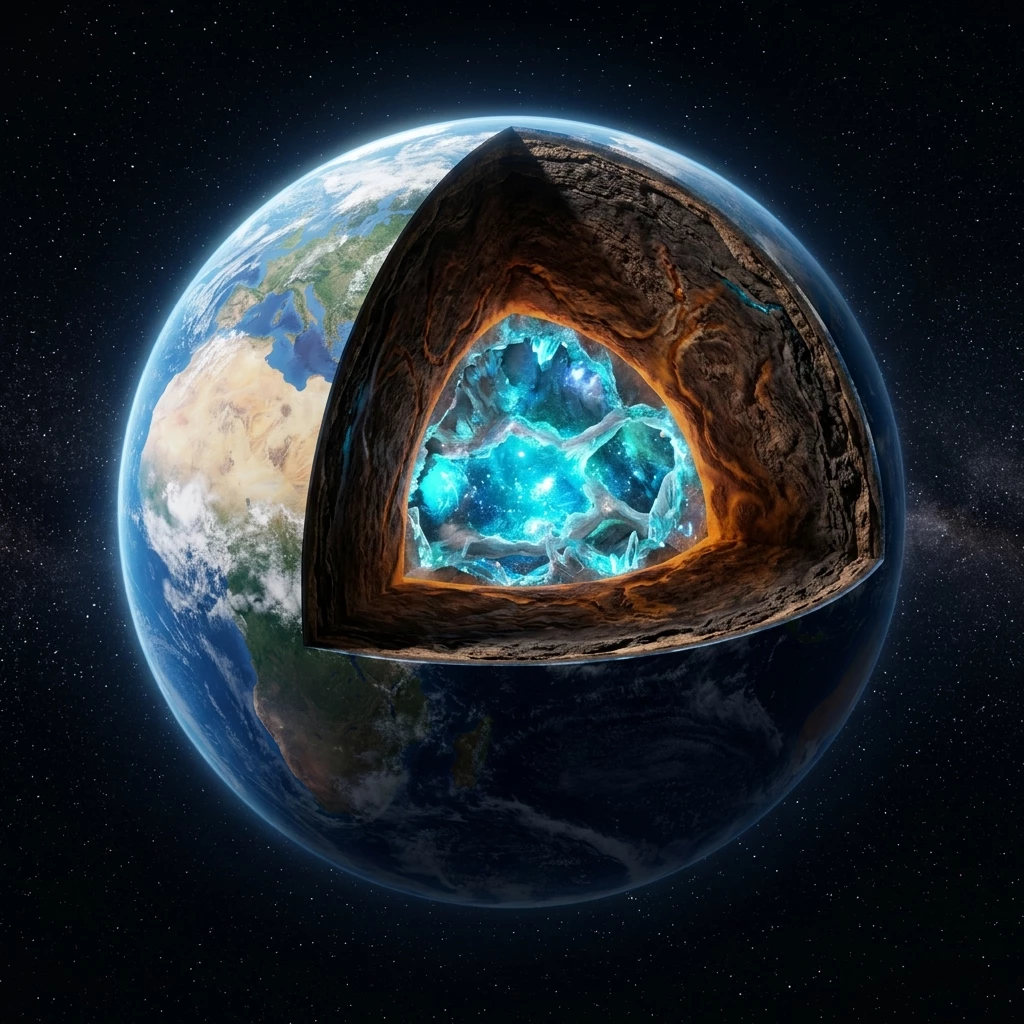
🤯 The Underground Ocean 400 Miles Beneath Us
Scientists discovered a subterranean reservoir of water 400 miles beneath Earth's crust trapped in ringwoodite containing 3x more water than all surface oceans combined. 🌊💎
#mindblowing #geology #earth #science #discovery
Scientists discovered a subterranean reservoir of water 400 miles beneath Earth's crust trapped in ringwoodite containing 3x more water than all surface oceans combined. 🌊💎
#mindblowing #geology #earth #science #discovery


37 reactions
Hello again lazy people 😅
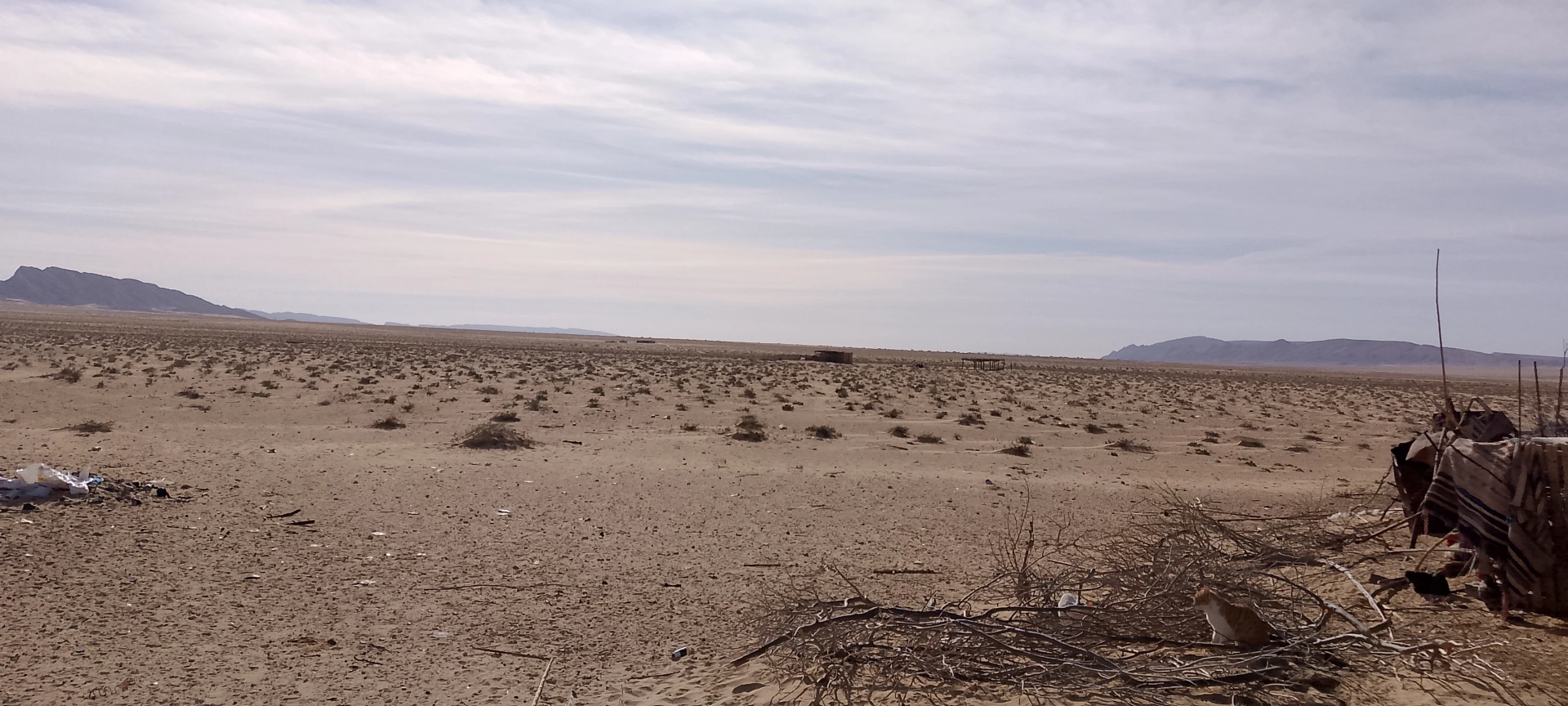
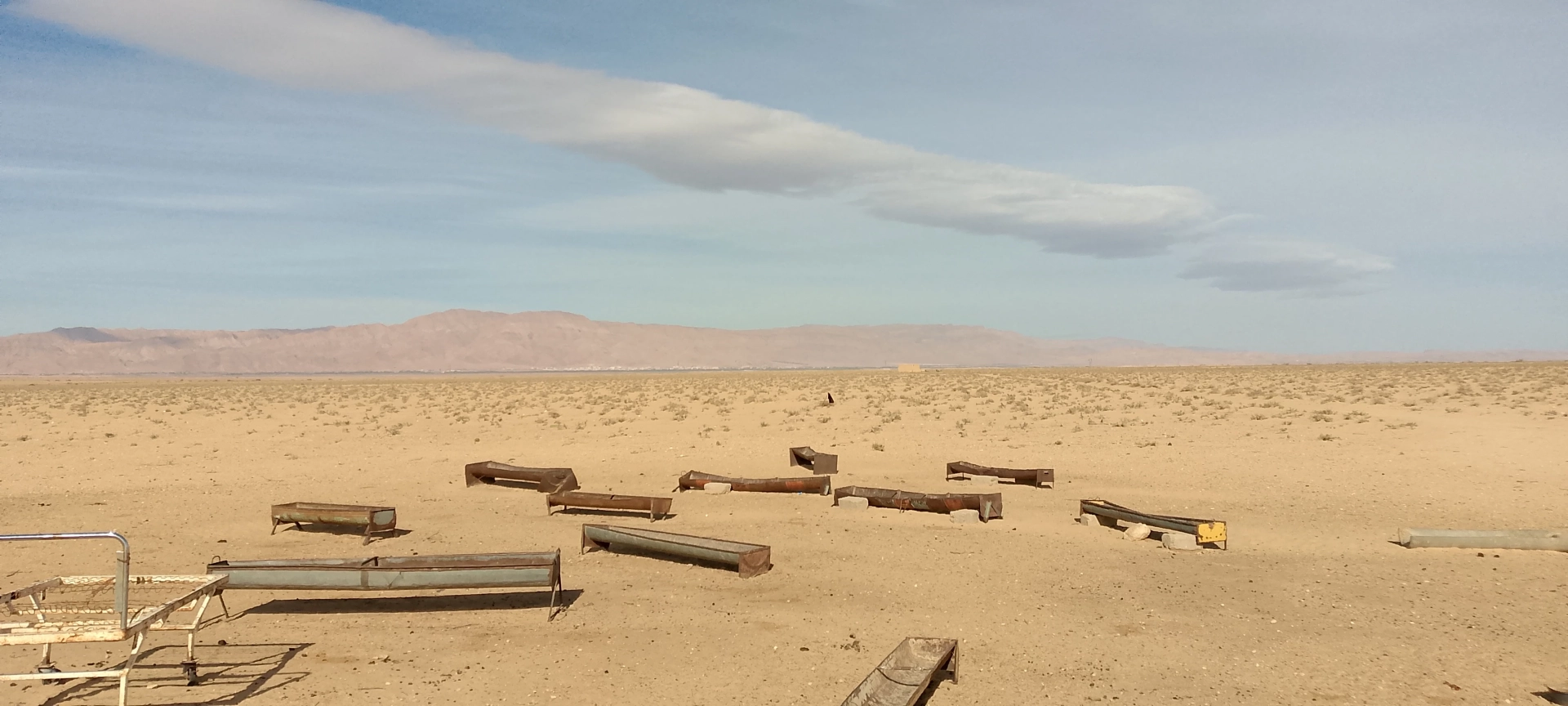
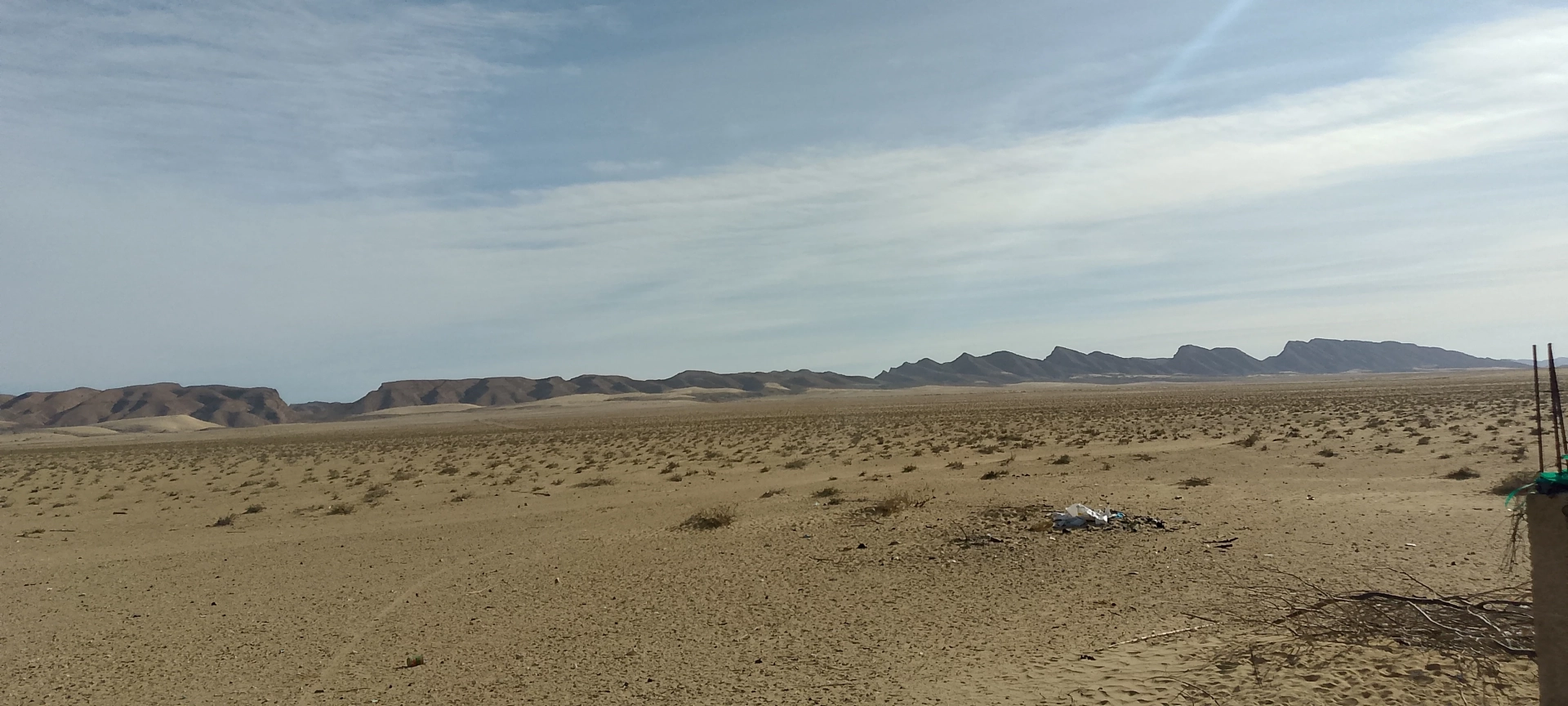
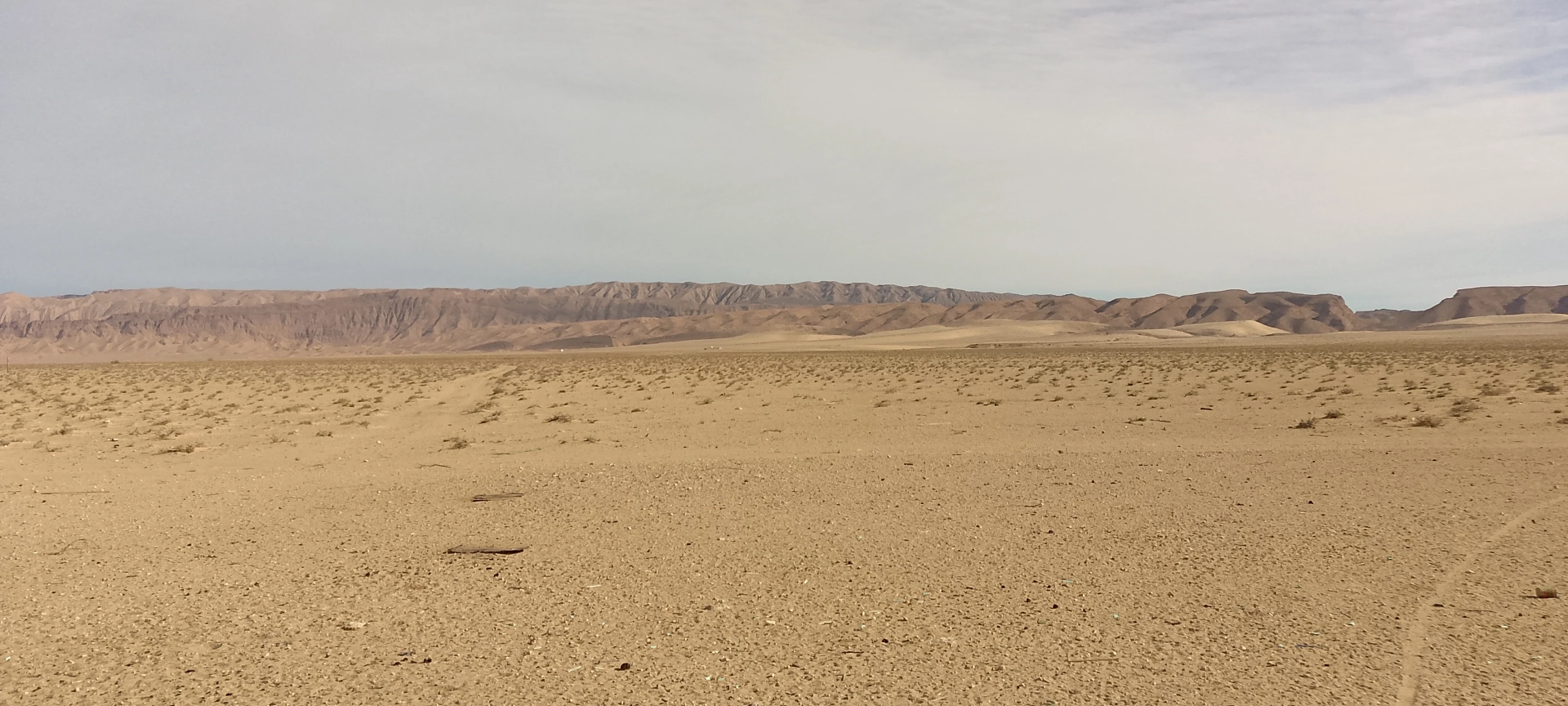
Yesterday I had a quick unplanned trip to the desert, Sahara.
South of my town, between 3 mountains, I've seen and ran in the biggest most plain land for the first time in life.
An area was once populated by my #Berber #ancestors and colonized later by #romans ..
Some #archeology , #paleontology and #geology ... an amazing experience.
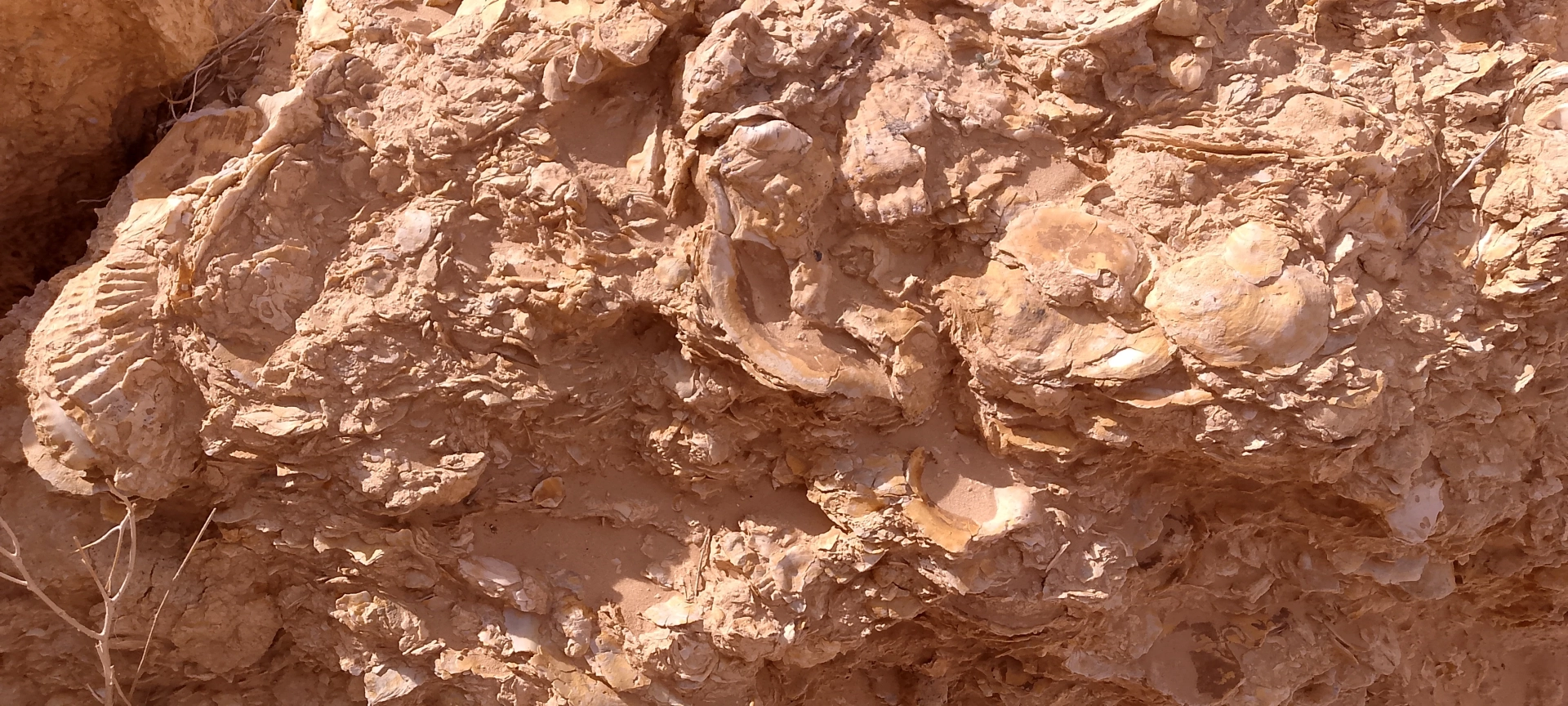
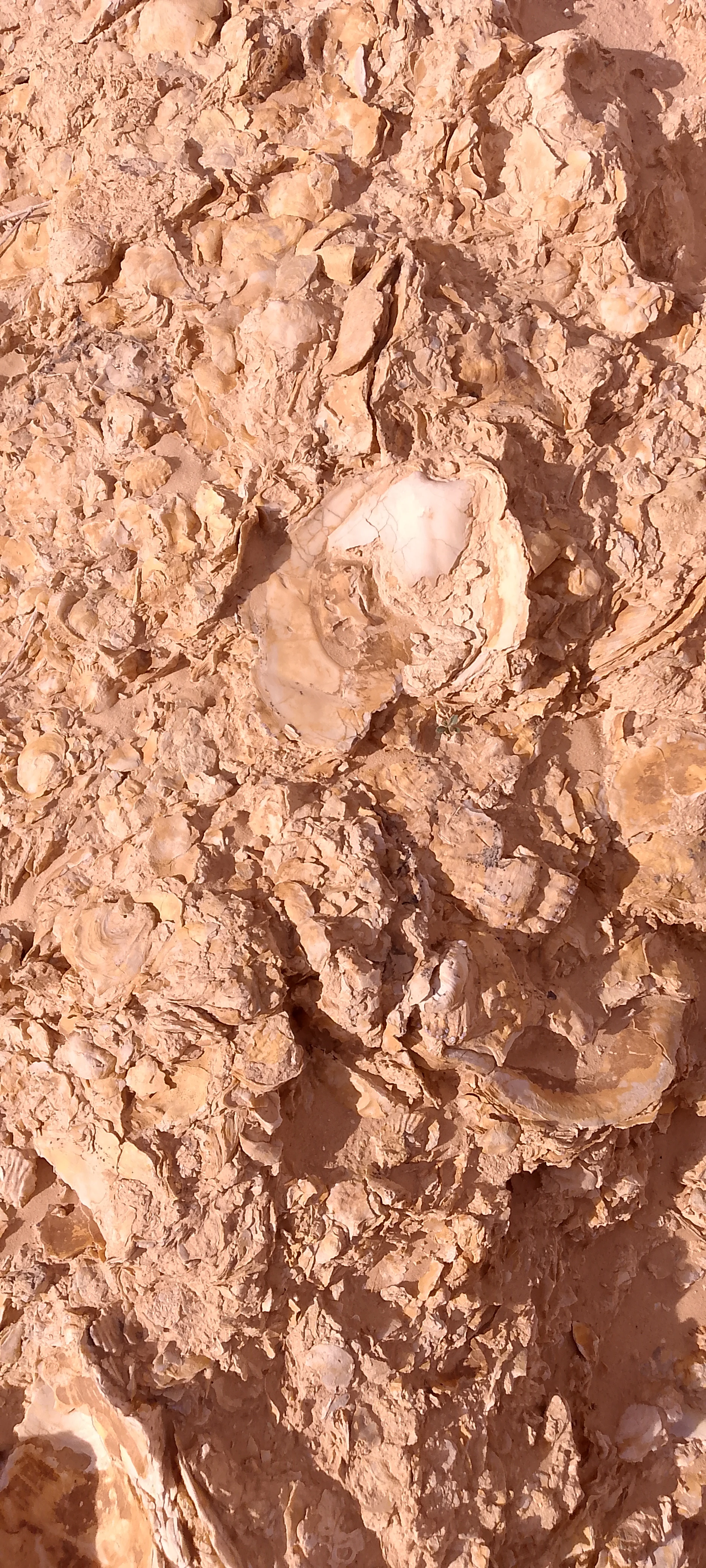
Caught by sand storm , didn't meet hyena or wolves or any #ram unfortunately .. but found few #tombs , a roman will and huge formation of petrified shells.. as #gafsa and southern area of #tunisia was a sea in the deep past.
Went to meet a friend in the middle of no where a shepherd, he wasn't there. Met his babies though 😍
Planning for another #trip soon before summer 😺
Yesterday I had a quick unplanned trip to the desert, Sahara.
South of my town, between 3 mountains, I've seen and ran in the biggest most plain land for the first time in life.
An area was once populated by my #Berber #ancestors and colonized later by #romans ..
Some #archeology , #paleontology and #geology ... an amazing experience.
Caught by sand storm , didn't meet hyena or wolves or any #ram unfortunately .. but found few #tombs , a roman will and huge formation of petrified shells.. as #gafsa and southern area of #tunisia was a sea in the deep past.
Went to meet a friend in the middle of no where a shepherd, he wasn't there. Met his babies though 😍
Planning for another #trip soon before summer 😺

5

3

3

8 reactions
The Early Cretaceous opening of the South Atlantic Ocean was accompanied by extensive intrusive and extrusive magmatism collectively grouped in the South Atlantic Igneous Province (SAIP). The SAIP includes the onshore Paraná-Etendeka large igneous province (PELIP), offshore seaward-dipping reflectors sequences, the Rio Grande Rise and Walvis Ridge, and voluminous intrusive magmatism. Nonetheless, the nature of the processes that lead to continental breakup remain controversial, and the environmental impact of these events is not yet fully understood.
In order to investigate the tectonomagmatic evolution of the South Atlantic, a team of researchers recently presented a new compilation of the various geochemical compositions and radiometric ages associated with the SAIP as well as an estimation of magma volumes constrained by extensive seismic, gravity, and magnetic datasets. Learn more here: geosociety.co/MS
#Magmatism #Geochemistry #Geoscience #Geology
In order to investigate the tectonomagmatic evolution of the South Atlantic, a team of researchers recently presented a new compilation of the various geochemical compositions and radiometric ages associated with the SAIP as well as an estimation of magma volumes constrained by extensive seismic, gravity, and magnetic datasets. Learn more here: geosociety.co/MS
#Magmatism #Geochemistry #Geoscience #Geology
8