
12 reactions
#islamophobia
Q1:
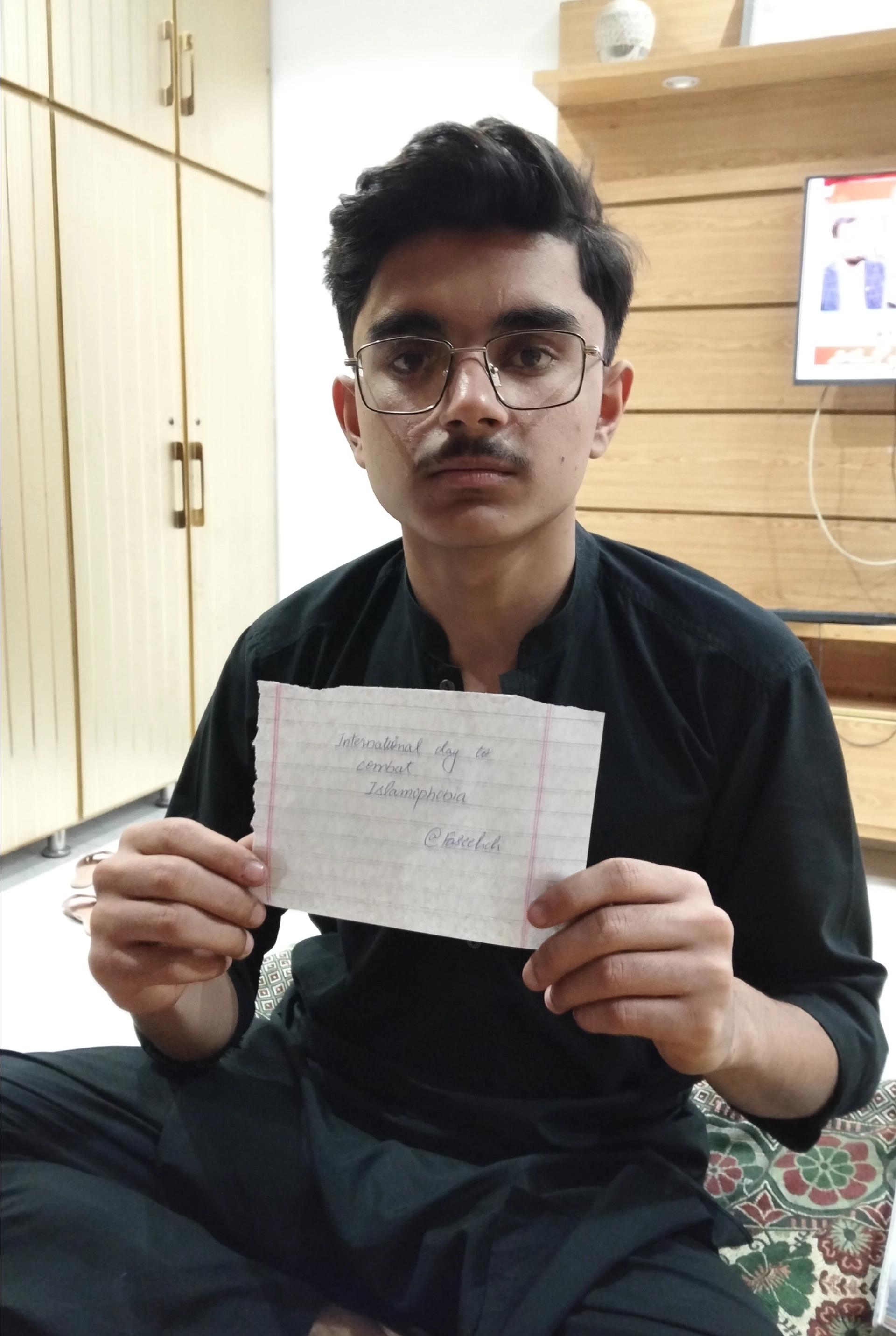
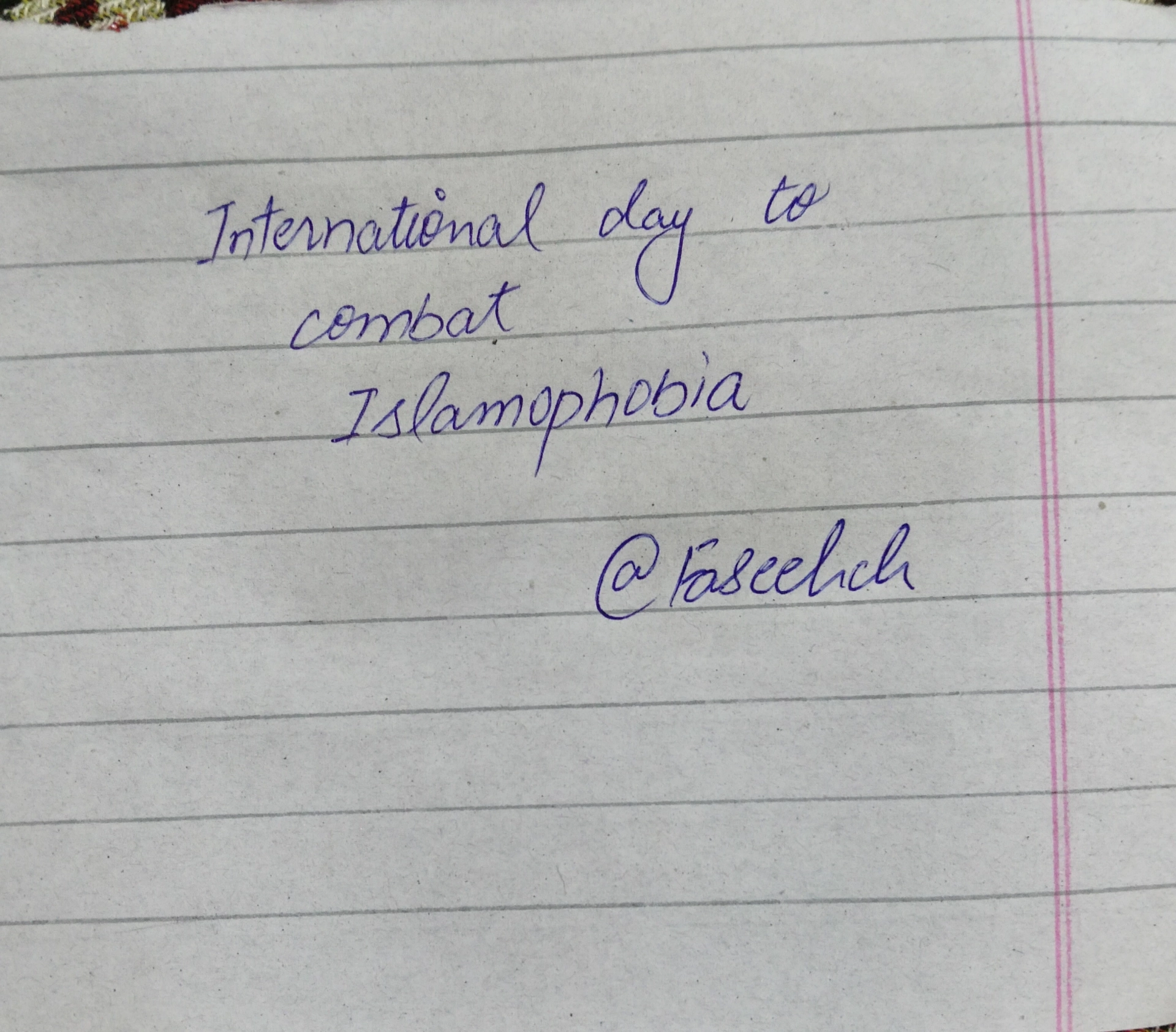
Before today, I already knew about Islamophobia. It happens in daily life through jokes, wrong ideas, and stereotypes. Many people misunderstand Islam and think it teaches violence, but actually Islam teaches peace, kindness, and respect.
Q2:
Yes, I have seen Islamophobia, mostly online and sometimes in real life. When it happens, people should speak up politely, correct wrong information, and support the person being treated unfairly.
Q3:
One small action is to learn about different religions and talk with respect. Understanding each other and being kind can reduce Islamophobia and bring people closer.
Q1:
Before today, I already knew about Islamophobia. It happens in daily life through jokes, wrong ideas, and stereotypes. Many people misunderstand Islam and think it teaches violence, but actually Islam teaches peace, kindness, and respect.
Q2:
Yes, I have seen Islamophobia, mostly online and sometimes in real life. When it happens, people should speak up politely, correct wrong information, and support the person being treated unfairly.
Q3:
One small action is to learn about different religions and talk with respect. Understanding each other and being kind can reduce Islamophobia and bring people closer.


4

3

3

1 reactions
#islamophobia #earn
Q1- Before today, how aware were you of Islamophobia in everyday life, and what do you think people misunderstand most about Islam or Muslims?
Q2- Have you ever witnessed or experienced a moment of Islamophobia , online or in real life? How do you think people should respond when they see it happening?
Q3- What is one small action individuals or communities can take to reduce Islamophobia and promote respect between different cultures and religions?
Here are clear and thoughtful responses you can use:
Q1 – Awareness of Islamophobia
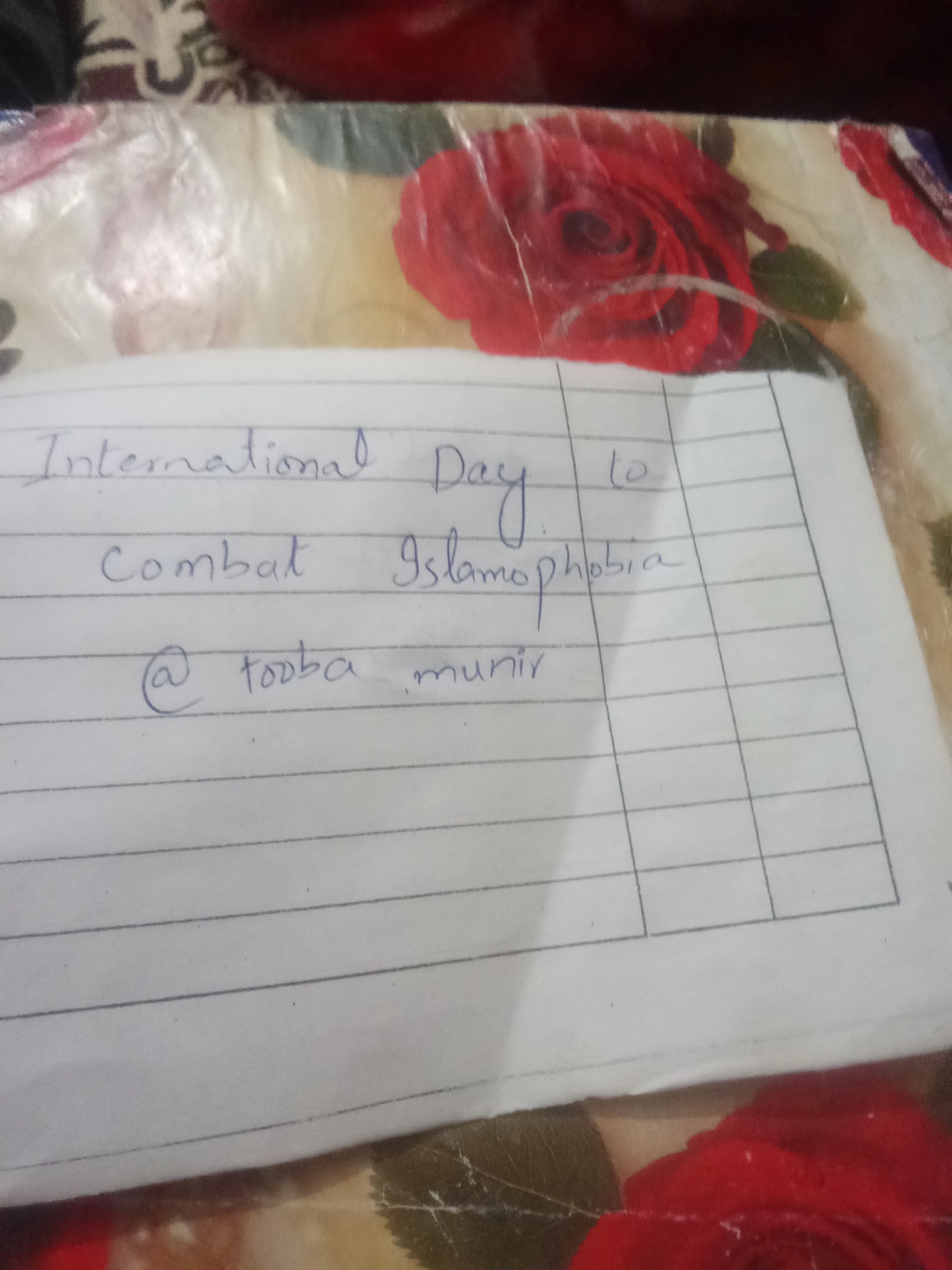
Before today, I was aware that Islamophobia exists in many parts of the world, both online and in everyday life. One of the biggest misunderstandings about Islam is that some people associate the actions of a few individuals with the entire religion. In reality, Islam teaches peace, compassion, justice, and respect for others. Many Muslims simply want to live their lives peacefully while practicing their faith, just like followers of any other religion.
Q2 – Witnessing or Experiencing Islamophobia
Islamophobia can sometimes appear in the form of stereotypes, negative comments, discrimination, or unfair assumptions about Muslims. When people witness such moments—whether online or in real life—they should respond calmly but firmly. This could mean correcting misinformation, standing up for someone being targeted, or promoting respectful dialogue. Silence can sometimes allow prejudice to grow, so speaking up respectfully can make a difference.
Q3 – Small Action to Reduce Islamophobia
One small but powerful action is learning and sharing accurate information about different cultures and religions. When individuals take the time to understand Islam and the lives of Muslims, it breaks stereotypes and builds empathy. Communities can also encourage open conversations, cultural exchanges, and respectful discussions to promote understanding and unity.
Q1- Before today, how aware were you of Islamophobia in everyday life, and what do you think people misunderstand most about Islam or Muslims?
Q2- Have you ever witnessed or experienced a moment of Islamophobia , online or in real life? How do you think people should respond when they see it happening?
Q3- What is one small action individuals or communities can take to reduce Islamophobia and promote respect between different cultures and religions?
Here are clear and thoughtful responses you can use:
Q1 – Awareness of Islamophobia
Before today, I was aware that Islamophobia exists in many parts of the world, both online and in everyday life. One of the biggest misunderstandings about Islam is that some people associate the actions of a few individuals with the entire religion. In reality, Islam teaches peace, compassion, justice, and respect for others. Many Muslims simply want to live their lives peacefully while practicing their faith, just like followers of any other religion.
Q2 – Witnessing or Experiencing Islamophobia
Islamophobia can sometimes appear in the form of stereotypes, negative comments, discrimination, or unfair assumptions about Muslims. When people witness such moments—whether online or in real life—they should respond calmly but firmly. This could mean correcting misinformation, standing up for someone being targeted, or promoting respectful dialogue. Silence can sometimes allow prejudice to grow, so speaking up respectfully can make a difference.
Q3 – Small Action to Reduce Islamophobia
One small but powerful action is learning and sharing accurate information about different cultures and religions. When individuals take the time to understand Islam and the lives of Muslims, it breaks stereotypes and builds empathy. Communities can also encourage open conversations, cultural exchanges, and respectful discussions to promote understanding and unity.
1

3 reactions
Here's my Entry
#islamophobia
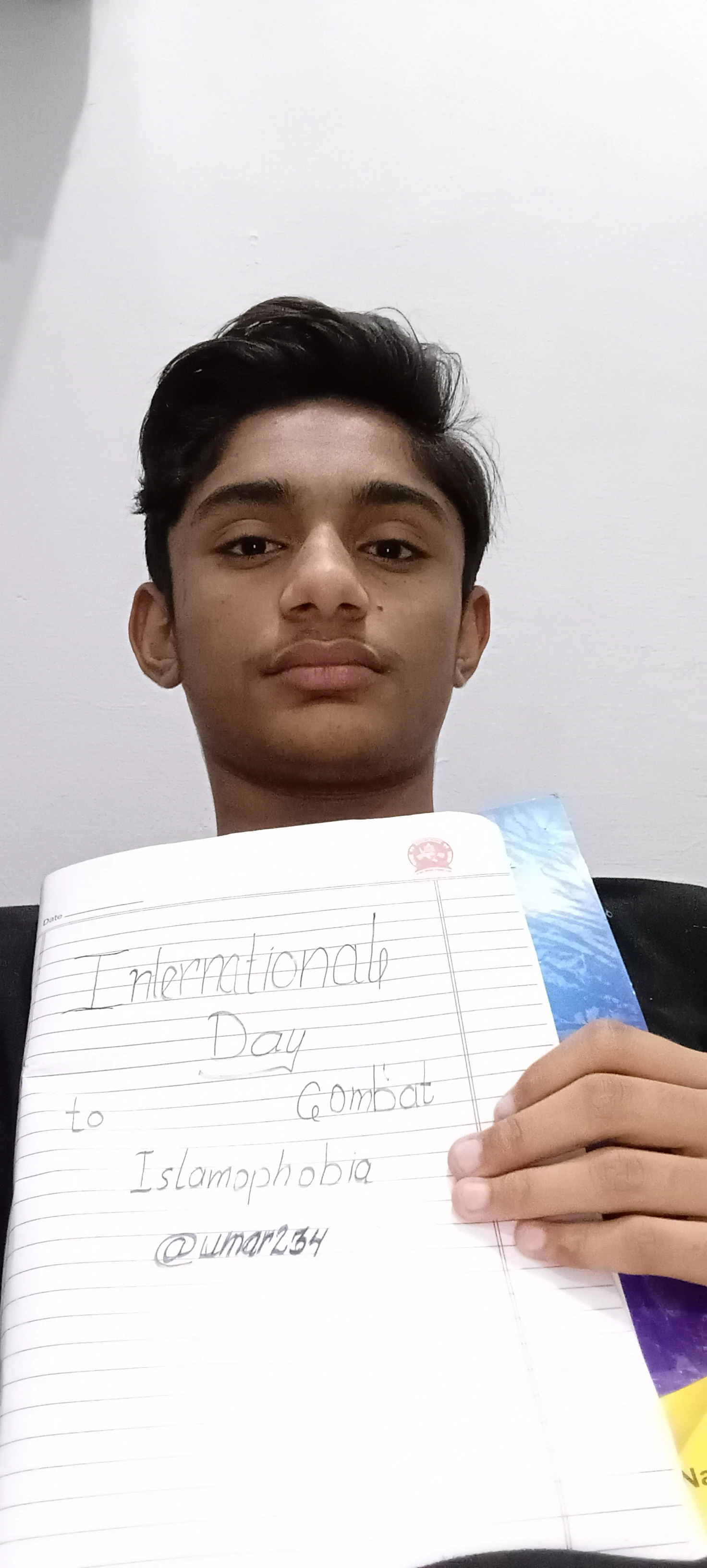
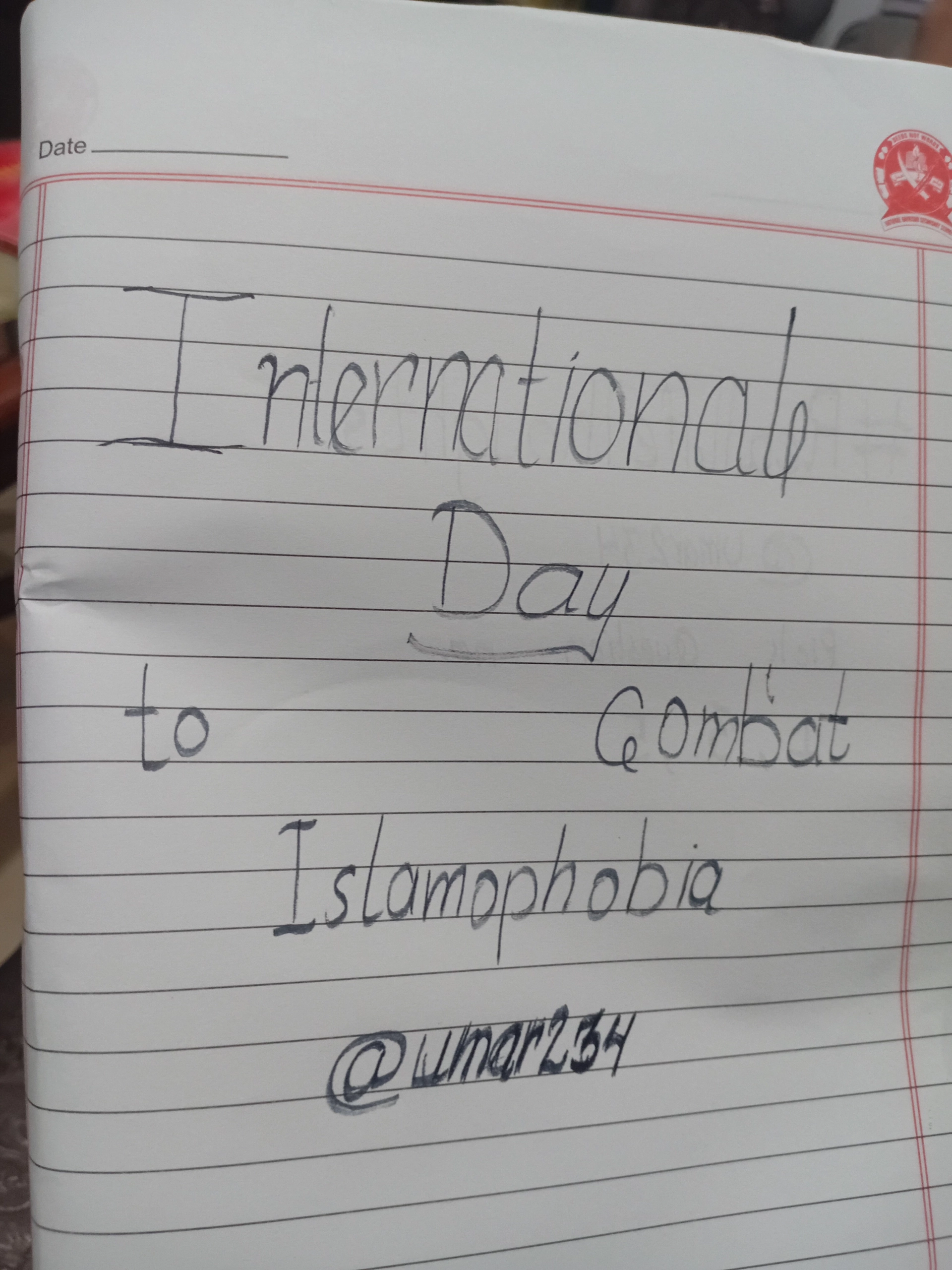
Today I want to share my thoughts on the International Day to Combat Islamophobia.
Q1:
Before today I already knew a little about Islamophobia because we sometimes see negative comments about Muslims on social media and in the news. I think the biggest misunderstanding people have about Islam is that they think Islam teaches violence or hate. In reality, Islam teaches peace, respect, kindness, and helping others. Many people judge Islam without actually learning about its real teachings.
Q2:
Yes, I have seen Islamophobia mostly online where some people make jokes or hateful comments about Muslims or our religion. I believe when someone sees this happening, they should respond calmly and explain the truth instead of spreading more hate. Education and respectful conversation can help change people’s thinking.
Q3:
One small action people can take is learning about different religions and cultures instead of believing stereotypes. When people understand each other better, respect naturally grows. Communities can also promote dialogue, kindness, and unity so that everyone feels safe and respected.
Islam teaches us peace, patience, and respect for all humanity. If we follow these values, we can reduce hate and build a more understanding world.
Tagging friends:
#islamophobia
Today I want to share my thoughts on the International Day to Combat Islamophobia.
Q1:
Before today I already knew a little about Islamophobia because we sometimes see negative comments about Muslims on social media and in the news. I think the biggest misunderstanding people have about Islam is that they think Islam teaches violence or hate. In reality, Islam teaches peace, respect, kindness, and helping others. Many people judge Islam without actually learning about its real teachings.
Q2:
Yes, I have seen Islamophobia mostly online where some people make jokes or hateful comments about Muslims or our religion. I believe when someone sees this happening, they should respond calmly and explain the truth instead of spreading more hate. Education and respectful conversation can help change people’s thinking.
Q3:
One small action people can take is learning about different religions and cultures instead of believing stereotypes. When people understand each other better, respect naturally grows. Communities can also promote dialogue, kindness, and unity so that everyone feels safe and respected.
Islam teaches us peace, patience, and respect for all humanity. If we follow these values, we can reduce hate and build a more understanding world.
Tagging friends:
1