
27 reactions
Unveiling The Mysteries Of Consciousness
For millennia, philosophers and theologians have pondered the essence of consciousness – that elusive spark that separates a rock from a thinking being. Today, science is joining the conversation, delving deeper than ever into the biological and neurological underpinnings of this fundamental human experience. But the journey is far from over. The question of what makes us conscious remains one of science's greatest mysteries, a battleground of theories and ongoing research.
The Philosophical Landscape
The debate surrounding consciousness boils down to two main camps:
Dualism: This classical view posits that the mind and body are distinct entities. Consciousness, in this perspective, is a property of the mind, separate from the physical brain. Rene Descartes, the philosopher-mathematician, famously stated "Cogito, ergo sum" (I think, therefore I am), highlighting the mind's primacy in experiencing consciousness.
Materialism: This opposing view suggests that consciousness is a product of the brain's complex neural processes. There is no separate "mind", our thoughts, feelings, and sensations are all emergent properties of the physical brain.
Science Steps In
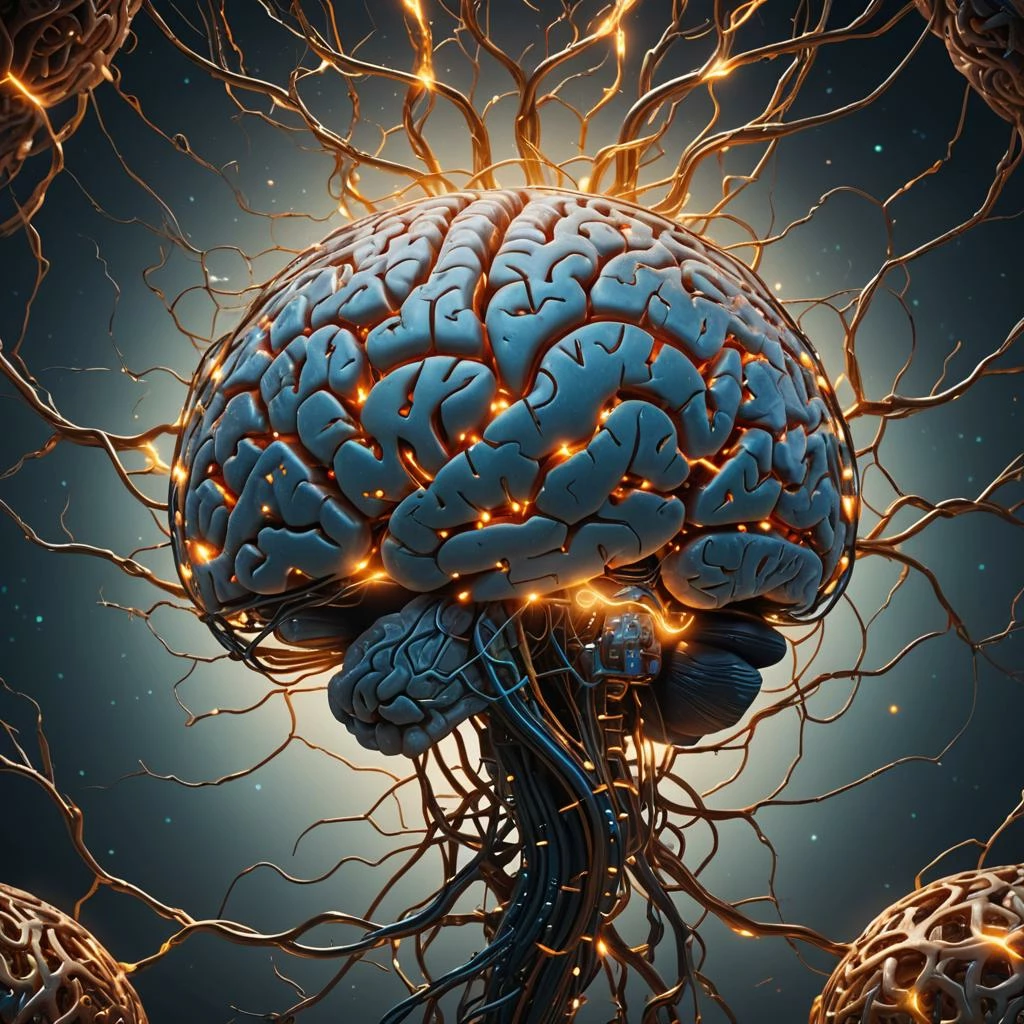
Neuroscience has made significant strides in understanding the brain's role in consciousness. Researchers have identified key areas in the brain associated with conscious experience, such as the thalamus and the cortex. They've also explored the role of specific brainwaves and how disruptions in these patterns can lead to altered states of consciousness, like sleep and coma.
The Hard Problem
However, there's a crucial gap between identifying the brain areas involved and truly understanding how these physical processes translate into subjective experience. This is known as the "hard problem" of consciousness. Neuroscience can explain the how, but not the why. How does the firing of neurons translate into the feeling of blueness when we see the sky? How does brain activity create the rich kaleidoscope of our internal worlds?
Theories Abound
Several theories attempt to bridge this gap. The Global Workspace Theory suggests that consciousness arises when various brain regions integrate information into a unified experience. Integrated Information Theory proposes that consciousness is linked to the level of complexity within a system.
The Road Ahead
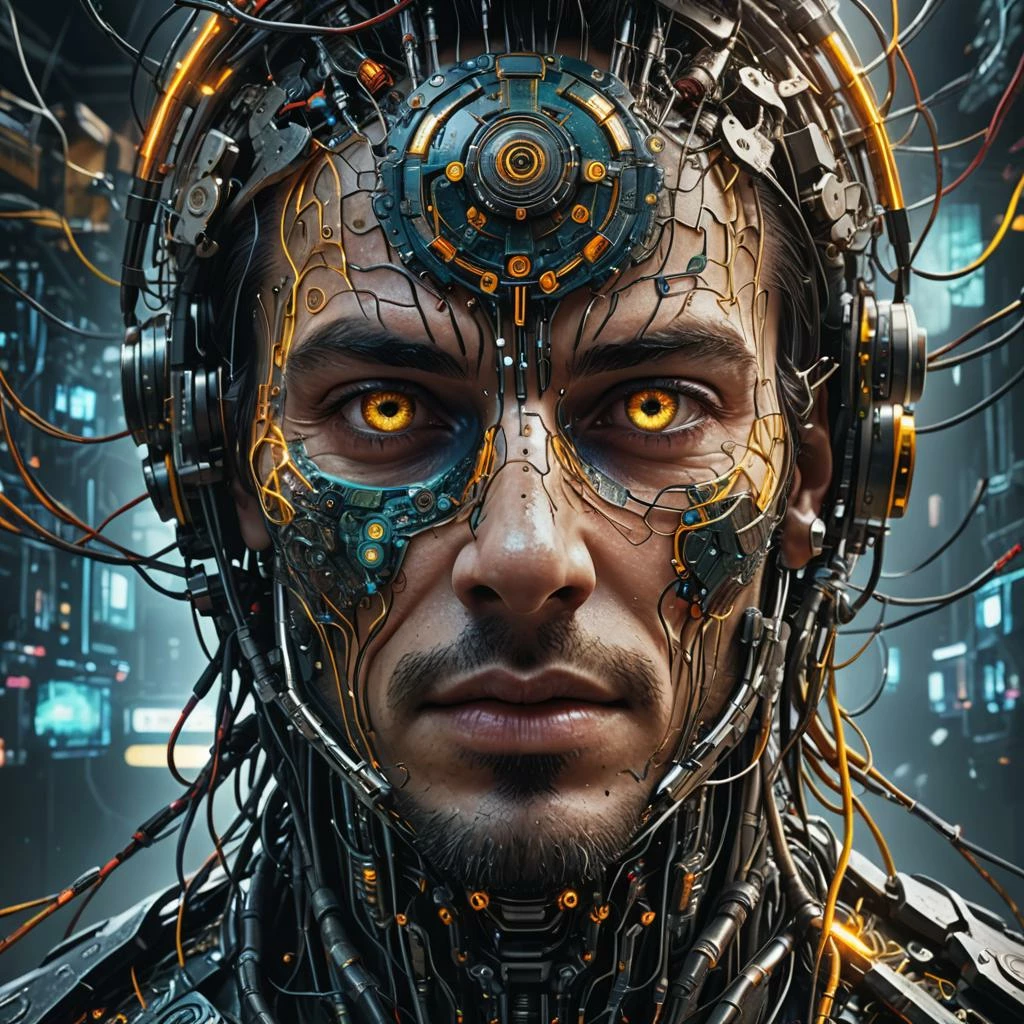
The science of consciousness is still in its infancy. New technologies like brain imaging and artificial intelligence are offering powerful tools to explore this complex phenomenon further. As research progresses, we may one day be able to not only explain what consciousness is, but also answer questions like whether machines can be truly conscious.
The Philosophical Implications
Unraveling the mysteries of consciousness has profound philosophical implications. It affects our understanding of free will, the nature of self, and our place in the universe. It may even force us to re-evaluate our relationship with artificial intelligence as it becomes more sophisticated.
The Final Word
The journey to understanding consciousness is a fascinating one, filled with both wonder and frustration. It reminds us of the vastness of the human experience and the incredible complexity of our own existence. As Carl Sagan once said, "We are a way for the cosmos to know itself." Perhaps, by understanding consciousness, we can truly begin to understand ourselves and our place within the cosmos.
#consciousness #science #philosophy #hardproblem #brain #neuroscience #artificialintelligence #freewill #self #existence #cosmos #mystery #philosophyofmind
For millennia, philosophers and theologians have pondered the essence of consciousness – that elusive spark that separates a rock from a thinking being. Today, science is joining the conversation, delving deeper than ever into the biological and neurological underpinnings of this fundamental human experience. But the journey is far from over. The question of what makes us conscious remains one of science's greatest mysteries, a battleground of theories and ongoing research.
The Philosophical Landscape
The debate surrounding consciousness boils down to two main camps:
Dualism: This classical view posits that the mind and body are distinct entities. Consciousness, in this perspective, is a property of the mind, separate from the physical brain. Rene Descartes, the philosopher-mathematician, famously stated "Cogito, ergo sum" (I think, therefore I am), highlighting the mind's primacy in experiencing consciousness.
Materialism: This opposing view suggests that consciousness is a product of the brain's complex neural processes. There is no separate "mind", our thoughts, feelings, and sensations are all emergent properties of the physical brain.
Science Steps In
Neuroscience has made significant strides in understanding the brain's role in consciousness. Researchers have identified key areas in the brain associated with conscious experience, such as the thalamus and the cortex. They've also explored the role of specific brainwaves and how disruptions in these patterns can lead to altered states of consciousness, like sleep and coma.
The Hard Problem
However, there's a crucial gap between identifying the brain areas involved and truly understanding how these physical processes translate into subjective experience. This is known as the "hard problem" of consciousness. Neuroscience can explain the how, but not the why. How does the firing of neurons translate into the feeling of blueness when we see the sky? How does brain activity create the rich kaleidoscope of our internal worlds?
Theories Abound
Several theories attempt to bridge this gap. The Global Workspace Theory suggests that consciousness arises when various brain regions integrate information into a unified experience. Integrated Information Theory proposes that consciousness is linked to the level of complexity within a system.
The Road Ahead
The science of consciousness is still in its infancy. New technologies like brain imaging and artificial intelligence are offering powerful tools to explore this complex phenomenon further. As research progresses, we may one day be able to not only explain what consciousness is, but also answer questions like whether machines can be truly conscious.
The Philosophical Implications
Unraveling the mysteries of consciousness has profound philosophical implications. It affects our understanding of free will, the nature of self, and our place in the universe. It may even force us to re-evaluate our relationship with artificial intelligence as it becomes more sophisticated.
The Final Word
The journey to understanding consciousness is a fascinating one, filled with both wonder and frustration. It reminds us of the vastness of the human experience and the incredible complexity of our own existence. As Carl Sagan once said, "We are a way for the cosmos to know itself." Perhaps, by understanding consciousness, we can truly begin to understand ourselves and our place within the cosmos.
#consciousness #science #philosophy #hardproblem #brain #neuroscience #artificialintelligence #freewill #self #existence #cosmos #mystery #philosophyofmind


12

4

3