
3 reactions
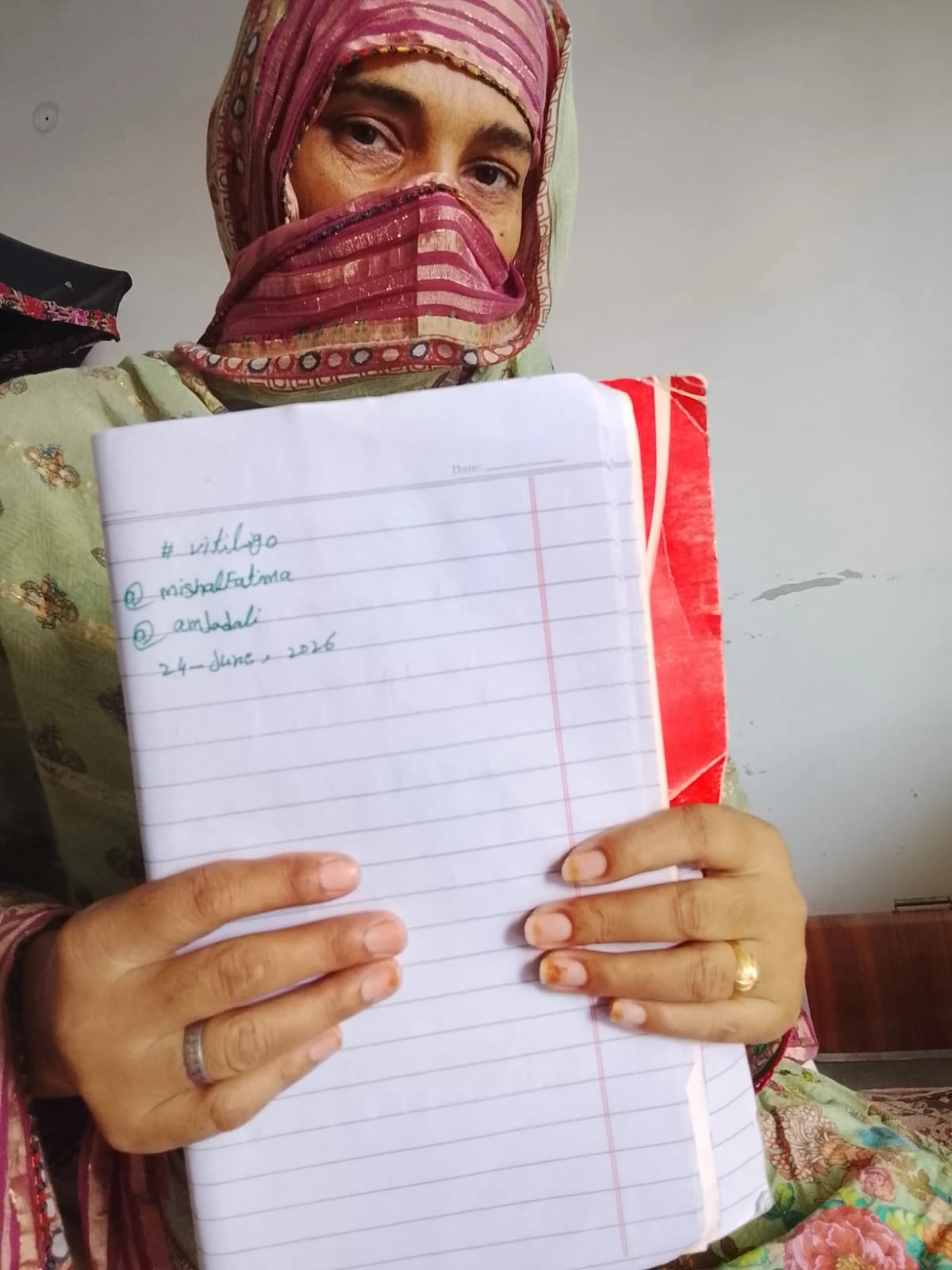
#vitiligo
#earn
Q1- No, I do not think vitiligo is a dangerous or life-threatening disease. It mainly affects the color of the skin and does not usually harm a person's physical health.
Q2- There is no sure way to prevent vitiligo because its exact cause is not fully known. However, protecting the skin from excessive sun exposure and maintaining good overall health may help reduce some risks.
Q3- If someone develops vitiligo, the first step should be to seek medical advice from a dermatologist. A skin specialist can provide the correct diagnosis and discuss suitable treatment options.
#earn
Q1- No, I do not think vitiligo is a dangerous or life-threatening disease. It mainly affects the color of the skin and does not usually harm a person's physical health.
Q2- There is no sure way to prevent vitiligo because its exact cause is not fully known. However, protecting the skin from excessive sun exposure and maintaining good overall health may help reduce some risks.
Q3- If someone develops vitiligo, the first step should be to seek medical advice from a dermatologist. A skin specialist can provide the correct diagnosis and discuss suitable treatment options.



3
1 reactions
#vitiligo
Q1: No, vitiligo is not usually a dangerous or life-threatening disease. It mainly affects the color of the skin because the cells that produce pigment stop working. However, it can affect a person's confidence and emotional well-being.
Q2: There is no guaranteed way to prevent vitiligo because its exact cause is not fully known. However, protecting the skin from sunburn, reducing stress, and maintaining a healthy lifestyle may help lower some risks.
Q3: If someone develops vitiligo, the best first step is to seek medical advice from a dermatologist. A skin specialist can properly diagnose the condition and suggest suitable treatment options. Ignoring it or relying only on home remedies is not recommended.
Vitiligo is not contagious, and people with vitiligo deserve respect, support, and understanding. Let's spread awareness and kindness. 💙
Q1: No, vitiligo is not usually a dangerous or life-threatening disease. It mainly affects the color of the skin because the cells that produce pigment stop working. However, it can affect a person's confidence and emotional well-being.
Q2: There is no guaranteed way to prevent vitiligo because its exact cause is not fully known. However, protecting the skin from sunburn, reducing stress, and maintaining a healthy lifestyle may help lower some risks.
Q3: If someone develops vitiligo, the best first step is to seek medical advice from a dermatologist. A skin specialist can properly diagnose the condition and suggest suitable treatment options. Ignoring it or relying only on home remedies is not recommended.
Vitiligo is not contagious, and people with vitiligo deserve respect, support, and understanding. Let's spread awareness and kindness. 💙
1

3 reactions
#vitiligo
#earn
Q1 — Is vitiligo dangerous or life-threatening?
Vitiligo is generally not dangerous or life-threatening. It is a skin condition where the body loses pigment in certain areas. It is also not contagious. However, it can affect a person emotionally and may make the skin more sensitive to sunburn.
Q2 — Can vitiligo be prevented?
There is no guaranteed way to prevent vitiligo because it is often linked to genetics and the immune system. But reducing triggers like severe sunburn, skin injuries, and certain chemical exposures may lower the risk for some people.
Q3 — What should be the first step if someone develops vitiligo?
The best first step is to seek medical advice from a dermatologist (skin specialist). They can confirm if it is vitiligo and discuss treatment options. Ignoring it or relying only on home remedies may delay proper care. Early guidance can help manage the condition better.
#earn
Q1 — Is vitiligo dangerous or life-threatening?
Vitiligo is generally not dangerous or life-threatening. It is a skin condition where the body loses pigment in certain areas. It is also not contagious. However, it can affect a person emotionally and may make the skin more sensitive to sunburn.
Q2 — Can vitiligo be prevented?
There is no guaranteed way to prevent vitiligo because it is often linked to genetics and the immune system. But reducing triggers like severe sunburn, skin injuries, and certain chemical exposures may lower the risk for some people.
Q3 — What should be the first step if someone develops vitiligo?
The best first step is to seek medical advice from a dermatologist (skin specialist). They can confirm if it is vitiligo and discuss treatment options. Ignoring it or relying only on home remedies may delay proper care. Early guidance can help manage the condition better.


2

1