#AbortionView g/confessions g/studio Let's move to…

2 reactions
#AbortionView
Let's move to questions of the activity. Here is my response,
1- The short phrase that comes to mind is: “A serious moral responsibility.”
In Islam, life is considered sacred and a trust from Allah, so abortion is viewed as an issue that should never be treated casually.
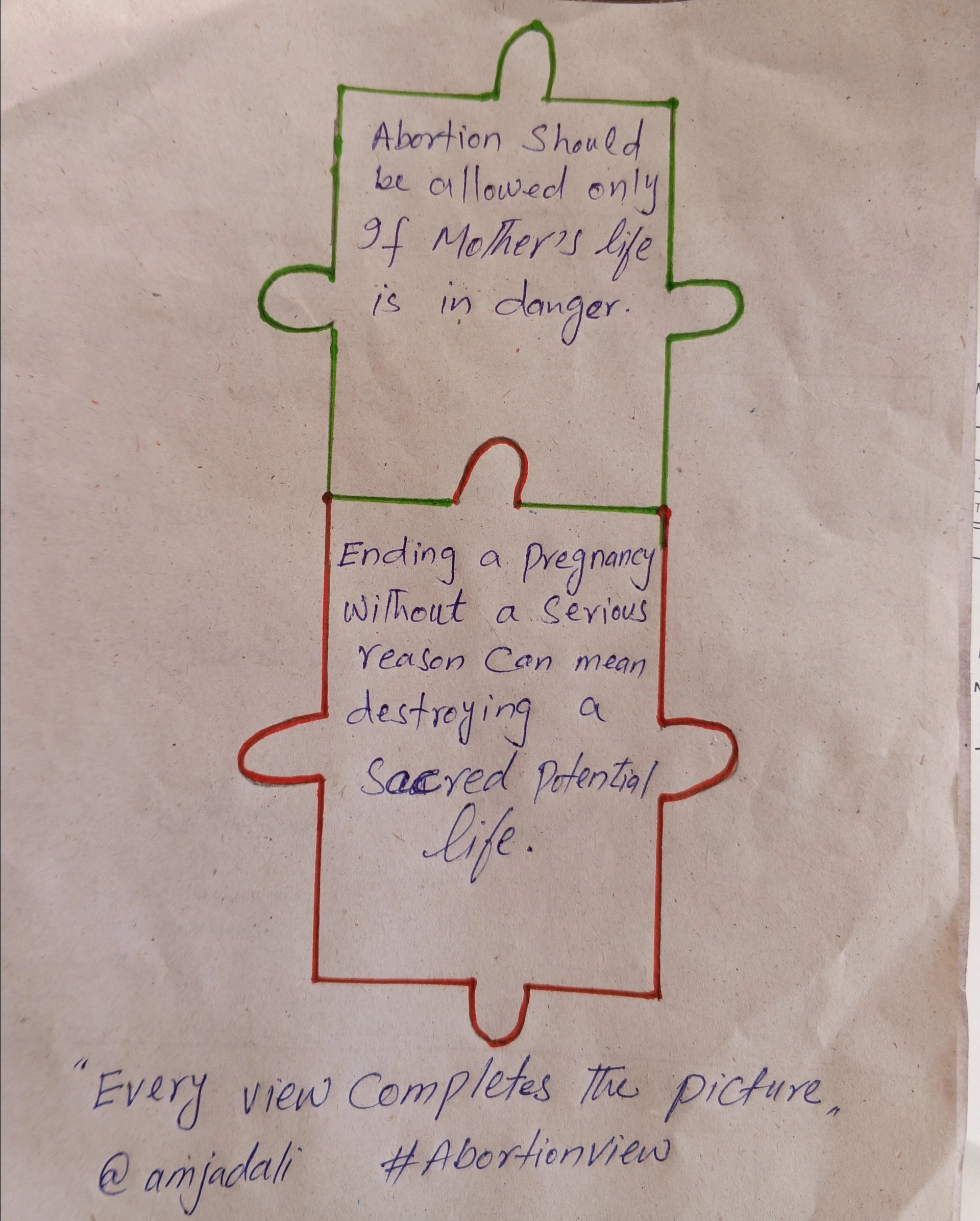
2- One situation where abortion can be protective in Islamic teachings is when a mother’s life is in real danger. In many Islamic scholarly opinions, preserving the mother’s life can become the priority because she is an already living person with responsibilities, family, and rights. In this case, it helps protect the mother and her family from losing her completely.
3- One major concern is ending a potential human life without a strong reason. Islam places high value on unborn life, so abortion done for convenience, fear of social pressure, or financial worries can be seen as morally harmful. It may also leave emotional guilt or spiritual distress for the people involved.
4- A situation where abortion may feel acceptable from an Islamic perspective is if a pregnant woman has a severe medical condition and trusted doctors confirm that continuing the pregnancy could likely cause her death. In such a case, many scholars allow abortion, especially in the earlier stages of pregnancy, because saving the mother’s life is considered necessary and compassionate.
A situation that would feel wrong is aborting a healthy pregnancy simply because the child is unwanted due to gender, financial concerns, or fear of responsibility. In Islamic teachings, children are viewed as blessings and sustenance is believed to come from Allah. Ending a pregnancy for such reasons crosses a moral line for many Muslims because it treats life as disposable.
If speaking gently about this issue from an Islamic mindset, I would say: “Approach this matter with knowledge, compassion, and fear of Allah. Do not judge others harshly, but also do not treat life lightly. Seek guidance, wisdom, and mercy in every difficult decision.
Let's move to questions of the activity. Here is my response,
1- The short phrase that comes to mind is: “A serious moral responsibility.”
In Islam, life is considered sacred and a trust from Allah, so abortion is viewed as an issue that should never be treated casually.
2- One situation where abortion can be protective in Islamic teachings is when a mother’s life is in real danger. In many Islamic scholarly opinions, preserving the mother’s life can become the priority because she is an already living person with responsibilities, family, and rights. In this case, it helps protect the mother and her family from losing her completely.
3- One major concern is ending a potential human life without a strong reason. Islam places high value on unborn life, so abortion done for convenience, fear of social pressure, or financial worries can be seen as morally harmful. It may also leave emotional guilt or spiritual distress for the people involved.
4- A situation where abortion may feel acceptable from an Islamic perspective is if a pregnant woman has a severe medical condition and trusted doctors confirm that continuing the pregnancy could likely cause her death. In such a case, many scholars allow abortion, especially in the earlier stages of pregnancy, because saving the mother’s life is considered necessary and compassionate.
A situation that would feel wrong is aborting a healthy pregnancy simply because the child is unwanted due to gender, financial concerns, or fear of responsibility. In Islamic teachings, children are viewed as blessings and sustenance is believed to come from Allah. Ending a pregnancy for such reasons crosses a moral line for many Muslims because it treats life as disposable.
If speaking gently about this issue from an Islamic mindset, I would say: “Approach this matter with knowledge, compassion, and fear of Allah. Do not judge others harshly, but also do not treat life lightly. Seek guidance, wisdom, and mercy in every difficult decision.


2
| 6,000 mlx | |
| 44 | |
| 2 |