

5 reactions
A mysterious species related to humans has been discovered
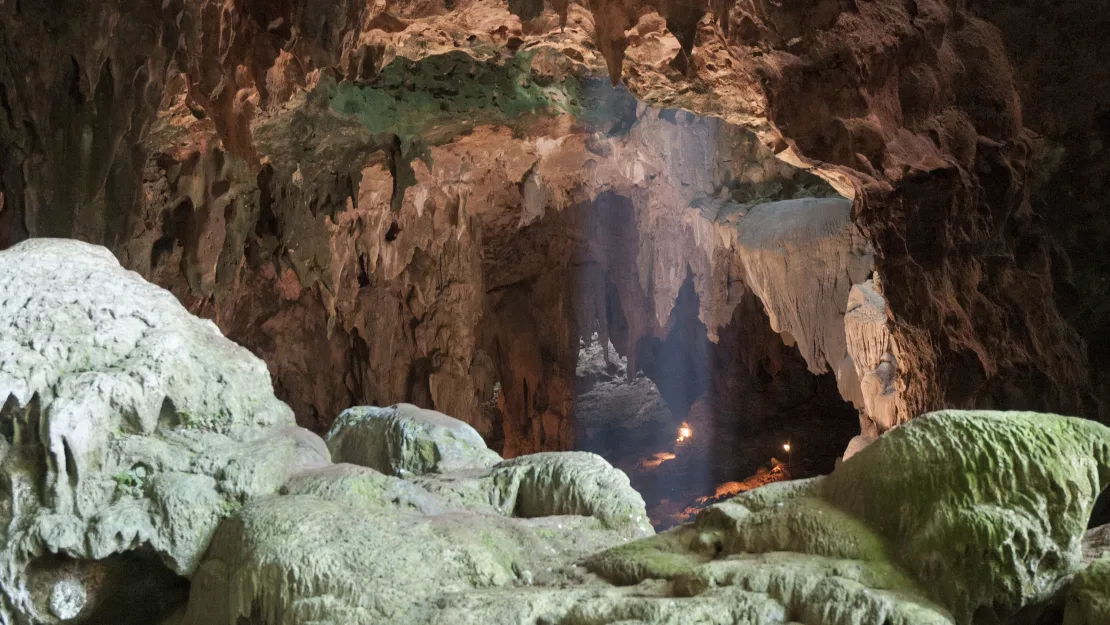
Ancient bones and teeth found in Callao Cave in the Philippines have led to the discovery of a previously unknown species related to humans called Homo luzonensis, according to a new study. The fossils belonged to two adults and one child who lived between 50,000 and 67,000 years ago.
This time frame means luzonensis would have lived at the same time as Neanderthals, Denisovans, Homo sapiens and the small-bodied Homo floresiensis. Like other extinct hominins, luzonensis is more of a close relative than a direct ancestor.
In 2007, a single foot bone was found in the cave and dated to 67,000 years ago. During excavations in 2011 and 2015, researchers found 12 additional hand and foot bones, including a partial femur and teeth, in the same layer of the cave. The researchers have named the new species luzonensis because of where it was found on the island of Luzon.
They are now the earliest human remains found in the Philippines. Previously, Homo sapiens remains were found on Palawan island and dated to between 30,000 and 40,000 years ago.
But what makes luzonensis different from other species? It’s all in the distinct premolar teeth, which vary considerably from anything identified in the other species belonging to the Homo genus.
Source: CNN Philippines
Ancient bones and teeth found in Callao Cave in the Philippines have led to the discovery of a previously unknown species related to humans called Homo luzonensis, according to a new study. The fossils belonged to two adults and one child who lived between 50,000 and 67,000 years ago.
This time frame means luzonensis would have lived at the same time as Neanderthals, Denisovans, Homo sapiens and the small-bodied Homo floresiensis. Like other extinct hominins, luzonensis is more of a close relative than a direct ancestor.
In 2007, a single foot bone was found in the cave and dated to 67,000 years ago. During excavations in 2011 and 2015, researchers found 12 additional hand and foot bones, including a partial femur and teeth, in the same layer of the cave. The researchers have named the new species luzonensis because of where it was found on the island of Luzon.
They are now the earliest human remains found in the Philippines. Previously, Homo sapiens remains were found on Palawan island and dated to between 30,000 and 40,000 years ago.
But what makes luzonensis different from other species? It’s all in the distinct premolar teeth, which vary considerably from anything identified in the other species belonging to the Homo genus.
Source: CNN Philippines


3

1

1
6 reactions
The Enigmatic Nazca Lines: A Testament to Ancient Ingenuity and Mystery
The Nazca Lines etched into the arid plains of southern Peru have captivated and mystified scholars, adventurers, and the general public for nearly a century. These ancient geoglyphs, sprawling across an area of about 50 square kilometers in the Nazca Desert, present an enigmatic tapestry of artistry and engineering that defies simple explanation. Their sheer scale, precision, and the perplexing nature of their creation have spawned a myriad of theories ranging from the scientifically plausible to the wildly speculative.
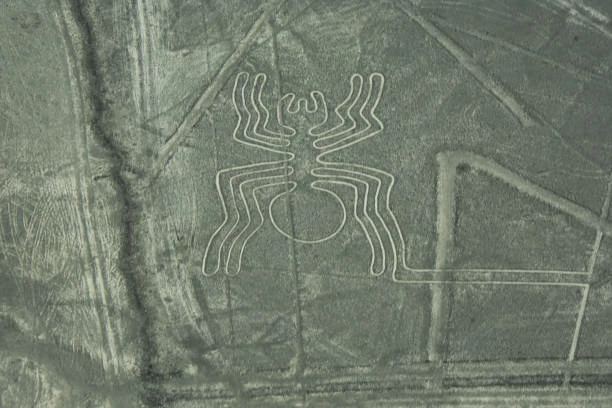
The discovery of the Nazca Lines in the early 20th century transformed a largely forgotten stretch of desert into a focal point of intense archaeological and cultural interest. Initially noted by Peruvian archaeologist Toribio Mejía Xesspe in 1927, the lines gained international attention when commercial airlines began flying over the region in the 1930s. From the air, these lines reveal an astonishing array of shapes, including simple geometric patterns, complex figures like birds, fish, and monkeys, and even a human-like figure known as the astronaut.
The creation of these massive figures remains one of the greatest puzzles. The Nazca Lines were made by removing the dark, oxidized stones on the desert surface to reveal the lighter soil beneath. This seemingly simple technique has withstood the test of time owing to the region’s stable, dry climate and minimal rainfall. But why were they made, and how did the ancient Nazca people, who flourished between 200 BCE and 600 CE, achieve such precision without the ability to see their work from above?
Read More: https://onthenode.com/history/the-enigmatic-nazca-lines-a-testament-to-ancient-ingenuity-and-mystery
The Nazca Lines etched into the arid plains of southern Peru have captivated and mystified scholars, adventurers, and the general public for nearly a century. These ancient geoglyphs, sprawling across an area of about 50 square kilometers in the Nazca Desert, present an enigmatic tapestry of artistry and engineering that defies simple explanation. Their sheer scale, precision, and the perplexing nature of their creation have spawned a myriad of theories ranging from the scientifically plausible to the wildly speculative.
The discovery of the Nazca Lines in the early 20th century transformed a largely forgotten stretch of desert into a focal point of intense archaeological and cultural interest. Initially noted by Peruvian archaeologist Toribio Mejía Xesspe in 1927, the lines gained international attention when commercial airlines began flying over the region in the 1930s. From the air, these lines reveal an astonishing array of shapes, including simple geometric patterns, complex figures like birds, fish, and monkeys, and even a human-like figure known as the astronaut.
The creation of these massive figures remains one of the greatest puzzles. The Nazca Lines were made by removing the dark, oxidized stones on the desert surface to reveal the lighter soil beneath. This seemingly simple technique has withstood the test of time owing to the region’s stable, dry climate and minimal rainfall. But why were they made, and how did the ancient Nazca people, who flourished between 200 BCE and 600 CE, achieve such precision without the ability to see their work from above?
Read More: https://onthenode.com/history/the-enigmatic-nazca-lines-a-testament-to-ancient-ingenuity-and-mystery
5

12 reactions
That is fascinating!
Rani ki Vav: Discovered an underground city 500 feet deep
Rani ki Vav: Discovered an underground city 500 feet deep
8
2
1