1 reactions
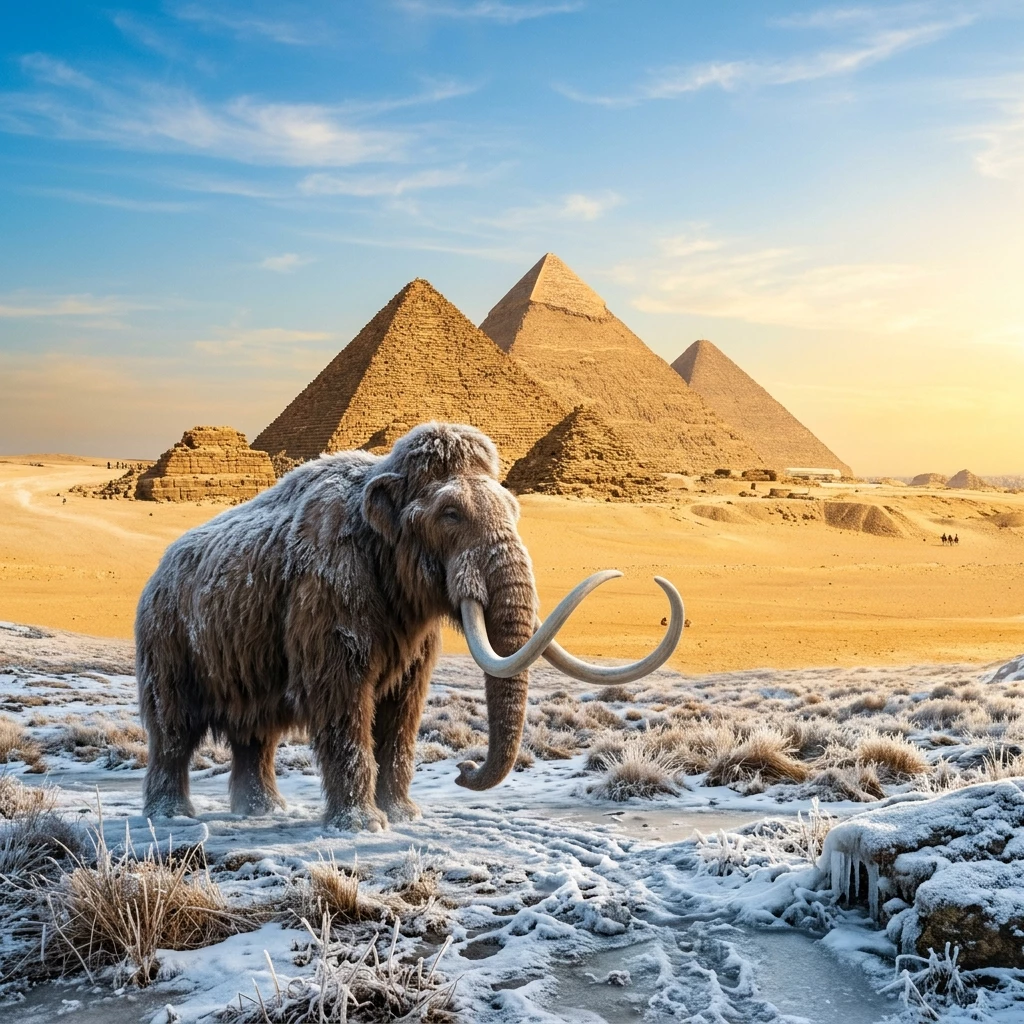
🤯 Mammoths Roamed While Pyramids Were Built
Woolly mammoths were still alive and walking the Earth when ancient Egyptians were stacking the limestone blocks of the Great Pyramids. 🦣📐
#mindblowing #mammoth #ancienthistory #evolution #prehistoric
Woolly mammoths were still alive and walking the Earth when ancient Egyptians were stacking the limestone blocks of the Great Pyramids. 🦣📐
#mindblowing #mammoth #ancienthistory #evolution #prehistoric



15 reactions
📜✨ Who Were the Apkallu? Guardians of Wisdom in Ancient Mesopotamia ✨📜
🔍 Ever heard of the Apkallu ?
They weren’t gods. They weren’t mortals.
They were divine sages sent to teach humanity the arts of civilization.
🏛️ In ancient Mesopotamian mythology , especially in Sumerian and Babylonian traditions, the Apkallu (𒀹𒉣𒇷) were seven wise beings created by the god Enki/Ea to bring knowledge and order to humankind before the Great Flood.
🐟 👨🏫 👩🏫
Three types of Apkallu existed:
Fish-Men (Uanna) – The first two were half-fish, half-human.
Bird-Men (Upadu-nuna) – Later ones had human bodies with bird heads and wings.
Human Apkallu – Eventually, they took fully human forms.
🧠 What did they teach?
Writing & literature
Law & governance
Agriculture & architecture
Magic & purification rituals
🛡️ Protectors Against Evil
The Apkallu were also spiritual guardians. Their images were carved into palace walls and placed in homes to ward off evil spirits, especially Lamashtu — a demon known for harming infants and women in childbirth.
🖼️ You might recognize them from Assyrian reliefs like those at Nimrud , where winged Apkallu are shown performing sacred duties.
🪶 In short:
The Apkallu were the original “teachers from above” — not just legends, but symbols of wisdom, protection, and the bridge between the divine and the human.
🌌 Want to dive deeper into ancient myths? Let me know in the comments!
#Mesopotamia #AncientHistory #Mythology #Apkallu #Sumerians #Babylon #Assyria #HistoryFacts #DivineWisdom #AncientWorld #LostCivilizations #history #tangledcommunity #tangled
🔍 Ever heard of the Apkallu ?
They weren’t gods. They weren’t mortals.
They were divine sages sent to teach humanity the arts of civilization.
🏛️ In ancient Mesopotamian mythology , especially in Sumerian and Babylonian traditions, the Apkallu (𒀹𒉣𒇷) were seven wise beings created by the god Enki/Ea to bring knowledge and order to humankind before the Great Flood.
🐟 👨🏫 👩🏫
Three types of Apkallu existed:
Fish-Men (Uanna) – The first two were half-fish, half-human.
Bird-Men (Upadu-nuna) – Later ones had human bodies with bird heads and wings.
Human Apkallu – Eventually, they took fully human forms.
🧠 What did they teach?
Writing & literature
Law & governance
Agriculture & architecture
Magic & purification rituals
🛡️ Protectors Against Evil
The Apkallu were also spiritual guardians. Their images were carved into palace walls and placed in homes to ward off evil spirits, especially Lamashtu — a demon known for harming infants and women in childbirth.
🖼️ You might recognize them from Assyrian reliefs like those at Nimrud , where winged Apkallu are shown performing sacred duties.
🪶 In short:
The Apkallu were the original “teachers from above” — not just legends, but symbols of wisdom, protection, and the bridge between the divine and the human.
🌌 Want to dive deeper into ancient myths? Let me know in the comments!
#Mesopotamia #AncientHistory #Mythology #Apkallu #Sumerians #Babylon #Assyria #HistoryFacts #DivineWisdom #AncientWorld #LostCivilizations #history #tangledcommunity #tangled

13

1