
4 reactions
Were there Black Anglo Saxons soldiers? #history #historyfacts
https://youtube.com/shorts/a5W_VGmB6aE?si=brBTLqQabWs2lb7H
https://youtube.com/shorts/a5W_VGmB6aE?si=brBTLqQabWs2lb7H


4
4 reactions
🤣
Whispers from History/22 August
The Wars of the Roses
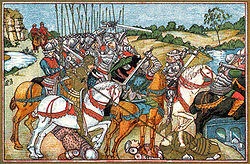
The Wars of the Roses, a series of dynastic conflicts between the rival houses of Lancaster and York, culminated dramatically at the Battle of Bosworth Field on August 22, 1485. This decisive clash ended three decades of civil war that had torn England apart and reshaped its monarchy.
The battle pitted King Richard III, the last Yorkist ruler, against Henry Tudor, a Lancastrian claimant who had spent much of his life in exile. Despite Richard’s experience and the larger reputation of his forces, shifting allegiances proved crucial. Many noblemen withheld their support or defected to Henry’s side during the fighting, undermining Richard’s chances of victory.
In a final act of courage, Richard charged directly at Henry in an attempt to end the contest swiftly. However, he was overwhelmed and slain on the battlefield, becoming the last English king to die in combat. His death marked the fall of the House of York and the end of Plantagenet rule.
Henry Tudor was crowned as Henry VII, founding the Tudor dynasty. By marrying Elizabeth of York, he united the warring houses, symbolically ending the conflict. His victory ushered in a new era of relative stability and laid the foundation for modern England.
#war_of_the_roses #medieval #tanagled_family #whisper_from_history #historyfacts #history #Historical_events #England
Whispers from History/22 August
The Wars of the Roses
The Wars of the Roses, a series of dynastic conflicts between the rival houses of Lancaster and York, culminated dramatically at the Battle of Bosworth Field on August 22, 1485. This decisive clash ended three decades of civil war that had torn England apart and reshaped its monarchy.
The battle pitted King Richard III, the last Yorkist ruler, against Henry Tudor, a Lancastrian claimant who had spent much of his life in exile. Despite Richard’s experience and the larger reputation of his forces, shifting allegiances proved crucial. Many noblemen withheld their support or defected to Henry’s side during the fighting, undermining Richard’s chances of victory.
In a final act of courage, Richard charged directly at Henry in an attempt to end the contest swiftly. However, he was overwhelmed and slain on the battlefield, becoming the last English king to die in combat. His death marked the fall of the House of York and the end of Plantagenet rule.
Henry Tudor was crowned as Henry VII, founding the Tudor dynasty. By marrying Elizabeth of York, he united the warring houses, symbolically ending the conflict. His victory ushered in a new era of relative stability and laid the foundation for modern England.
#war_of_the_roses #medieval #tanagled_family #whisper_from_history #historyfacts #history #Historical_events #England
4
15 reactions
📜✨ Who Were the Apkallu? Guardians of Wisdom in Ancient Mesopotamia ✨📜
🔍 Ever heard of the Apkallu ?
They weren’t gods. They weren’t mortals.
They were divine sages sent to teach humanity the arts of civilization.
🏛️ In ancient Mesopotamian mythology , especially in Sumerian and Babylonian traditions, the Apkallu (𒀹𒉣𒇷) were seven wise beings created by the god Enki/Ea to bring knowledge and order to humankind before the Great Flood.
🐟 👨🏫 👩🏫
Three types of Apkallu existed:
Fish-Men (Uanna) – The first two were half-fish, half-human.
Bird-Men (Upadu-nuna) – Later ones had human bodies with bird heads and wings.
Human Apkallu – Eventually, they took fully human forms.
🧠 What did they teach?
Writing & literature
Law & governance
Agriculture & architecture
Magic & purification rituals
🛡️ Protectors Against Evil
The Apkallu were also spiritual guardians. Their images were carved into palace walls and placed in homes to ward off evil spirits, especially Lamashtu — a demon known for harming infants and women in childbirth.
🖼️ You might recognize them from Assyrian reliefs like those at Nimrud , where winged Apkallu are shown performing sacred duties.
🪶 In short:
The Apkallu were the original “teachers from above” — not just legends, but symbols of wisdom, protection, and the bridge between the divine and the human.
🌌 Want to dive deeper into ancient myths? Let me know in the comments!
#Mesopotamia #AncientHistory #Mythology #Apkallu #Sumerians #Babylon #Assyria #HistoryFacts #DivineWisdom #AncientWorld #LostCivilizations #history #tangledcommunity #tangled
🔍 Ever heard of the Apkallu ?
They weren’t gods. They weren’t mortals.
They were divine sages sent to teach humanity the arts of civilization.
🏛️ In ancient Mesopotamian mythology , especially in Sumerian and Babylonian traditions, the Apkallu (𒀹𒉣𒇷) were seven wise beings created by the god Enki/Ea to bring knowledge and order to humankind before the Great Flood.
🐟 👨🏫 👩🏫
Three types of Apkallu existed:
Fish-Men (Uanna) – The first two were half-fish, half-human.
Bird-Men (Upadu-nuna) – Later ones had human bodies with bird heads and wings.
Human Apkallu – Eventually, they took fully human forms.
🧠 What did they teach?
Writing & literature
Law & governance
Agriculture & architecture
Magic & purification rituals
🛡️ Protectors Against Evil
The Apkallu were also spiritual guardians. Their images were carved into palace walls and placed in homes to ward off evil spirits, especially Lamashtu — a demon known for harming infants and women in childbirth.
🖼️ You might recognize them from Assyrian reliefs like those at Nimrud , where winged Apkallu are shown performing sacred duties.
🪶 In short:
The Apkallu were the original “teachers from above” — not just legends, but symbols of wisdom, protection, and the bridge between the divine and the human.
🌌 Want to dive deeper into ancient myths? Let me know in the comments!
#Mesopotamia #AncientHistory #Mythology #Apkallu #Sumerians #Babylon #Assyria #HistoryFacts #DivineWisdom #AncientWorld #LostCivilizations #history #tangledcommunity #tangled
13

1