
4 reactions
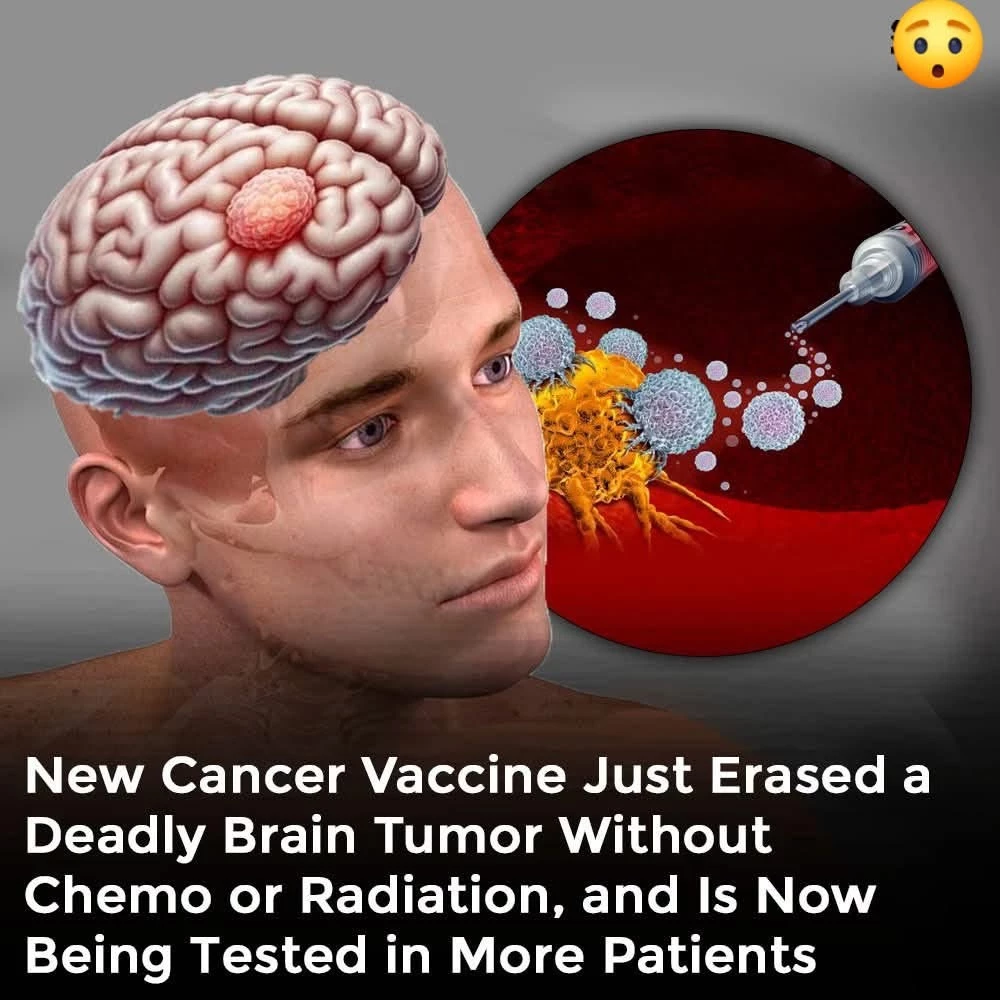
A personalized mRNA vaccine wiped out one patient’s glioblastoma, an aggressive brain tumor, with no chemo or radiation. Developed at Brigham and Women’s Hospital, the single-dose shot trained the immune system to attack the tumor’s unique mutations. Two years later, the patient remains cancer-free. Early trial, big promise. More testing is now underway.
#CancerVaccine #Glioblastoma #mRNATherapy #MedicalBreakthrough #ImmunotherapyRevolution
#CancerVaccine #Glioblastoma #mRNATherapy #MedicalBreakthrough #ImmunotherapyRevolution


4
7 reactions
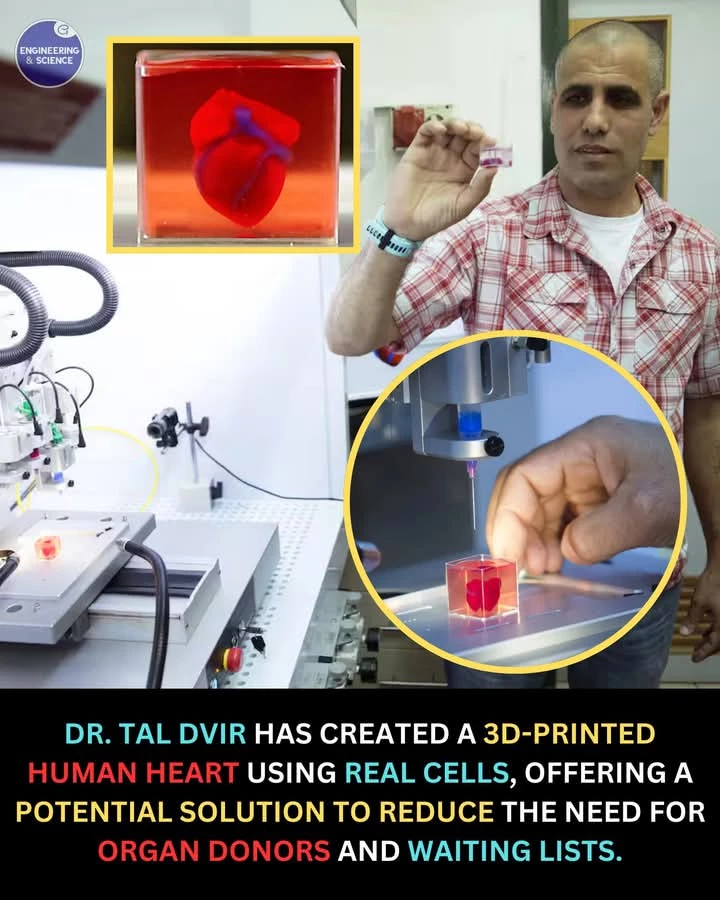
Dr. Tal Dvir, a renowned biotechnology expert at Harvard University, has made a groundbreaking breakthrough by successfully 3D-printing a fully functional human heart using live human cells and advanced tissue engineering. This cutting-edge medical innovation has the potential to revolutionize organ transplantation by enabling the creation of customized, lab-grown organs that could eliminate the reliance on organ donors and drastically reduce organ rejection risks.
The 3D-printed artificial heart, designed with intricate vascular structures, bioengineered tissues, and precise cellular architecture, mimics a natural human heart’s complex functionality. This pioneering regenerative medicine technology could solve critical challenges like shortages of transplantable organs, immune system rejection, and long waiting lists for life-saving surgeries. By utilizing a patient’s own stem cells, this breakthrough ensures personalized treatment, reducing the risk of autoimmune responses and increasing surgical success rates.
This scientific advancement in regenerative healthcare represents a monumental leap forward in bioprinting, medical technology, and precision medicine. As research progresses, biofabricated organs could soon become a mainstream solution, transforming the future of medicine and offering life-saving solutions to millions worldwide.
#3DPrinting #BioprintingTechnology #RegenerativeMedicine #MedicalBreakthrough #FutureOfHealthcare #StemCellTherapy #AIInHealthcare #LifeSavingInnovation #TissueEngineering #NextGenMedicine
The 3D-printed artificial heart, designed with intricate vascular structures, bioengineered tissues, and precise cellular architecture, mimics a natural human heart’s complex functionality. This pioneering regenerative medicine technology could solve critical challenges like shortages of transplantable organs, immune system rejection, and long waiting lists for life-saving surgeries. By utilizing a patient’s own stem cells, this breakthrough ensures personalized treatment, reducing the risk of autoimmune responses and increasing surgical success rates.
This scientific advancement in regenerative healthcare represents a monumental leap forward in bioprinting, medical technology, and precision medicine. As research progresses, biofabricated organs could soon become a mainstream solution, transforming the future of medicine and offering life-saving solutions to millions worldwide.
#3DPrinting #BioprintingTechnology #RegenerativeMedicine #MedicalBreakthrough #FutureOfHealthcare #StemCellTherapy #AIInHealthcare #LifeSavingInnovation #TissueEngineering #NextGenMedicine
2

2

2
8 reactions
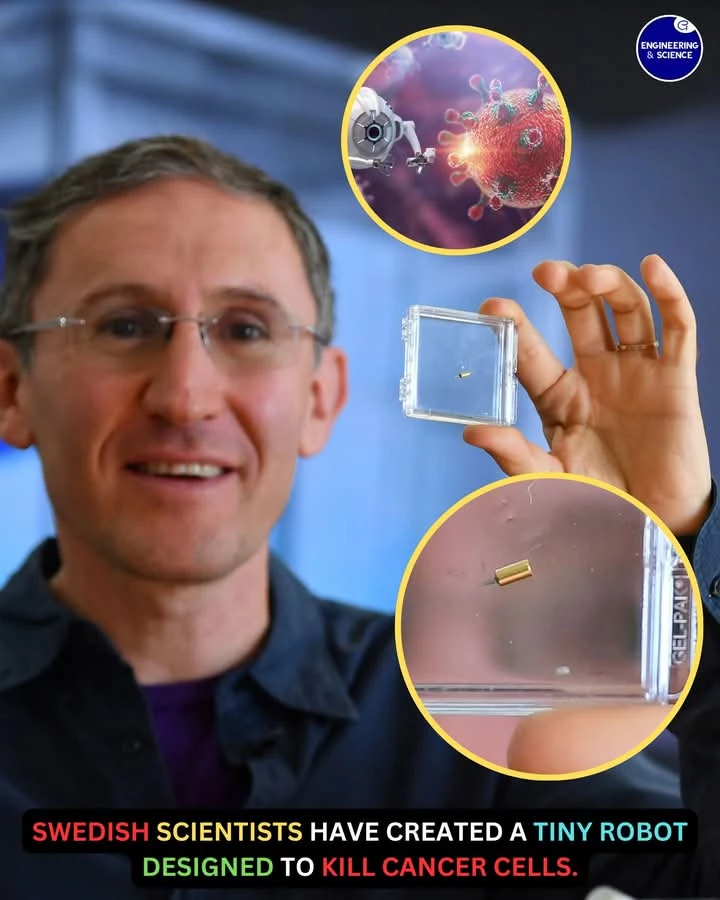
Swedish scientists have made a groundbreaking discovery in the fight against cancer by developing a revolutionary cancer-killing nanorobot. This advanced technology uses cutting-edge nanotechnology to target and destroy cancer cells with incredible precision, offering a potential game-changer for cancer treatment. Unlike traditional methods like chemotherapy, which can harm healthy cells, these nanorobots focus solely on cancer cells, minimizing side effects and improving patient outcomes.
This breakthrough highlights the power of innovation in healthcare and gives hope to millions of people worldwide battling cancer. With the potential to save countless lives, these nanorobots could transform the future of medicine. The world is watching as this incredible technology moves closer to real-world applications.
#CancerTreatment #Innovation #Nanotechnology #MedicalBreakthrough #HopeForCancerPatients #FutureOfMedicine
This breakthrough highlights the power of innovation in healthcare and gives hope to millions of people worldwide battling cancer. With the potential to save countless lives, these nanorobots could transform the future of medicine. The world is watching as this incredible technology moves closer to real-world applications.
#CancerTreatment #Innovation #Nanotechnology #MedicalBreakthrough #HopeForCancerPatients #FutureOfMedicine
7
1