
0 reactions
Nestled at the southeastern edge of Sindh, Nagarparkar is a breathtaking destination where history, culture, and nature converge. Set against the backdrop of the Karoonjhar Hills, this region offers a striking contrast of granite mountains, vast desert landscapes, and seasonal wetlands that come to life after the monsoon.
Renowned for its centuries-old Jain temples, intricate architecture, and the serene Bhodesar Mosque, Nagarparkar stands as a testament to the diverse heritage of the region. The area is also a haven for nature lovers, with migratory birds, rolling sand dunes, and lush green patches during the rainy season.
Whether you're drawn to the mystical charm of ancient ruins, the folklore of the Thar, or the tranquility of its landscapes, Nagarparkar promises an unforgettable journey into one of Sindh’s best-kept secrets.
📸 ~ Karoonjhar Photography
#PakistanMail #Sindh #rannofkutch #thar #Tharparkar #Nagarparkar #sindhbeauty
Renowned for its centuries-old Jain temples, intricate architecture, and the serene Bhodesar Mosque, Nagarparkar stands as a testament to the diverse heritage of the region. The area is also a haven for nature lovers, with migratory birds, rolling sand dunes, and lush green patches during the rainy season.
Whether you're drawn to the mystical charm of ancient ruins, the folklore of the Thar, or the tranquility of its landscapes, Nagarparkar promises an unforgettable journey into one of Sindh’s best-kept secrets.
📸 ~ Karoonjhar Photography
#PakistanMail #Sindh #rannofkutch #thar #Tharparkar #Nagarparkar #sindhbeauty



1 reactions
My city Umerkot Sindh Pakistan
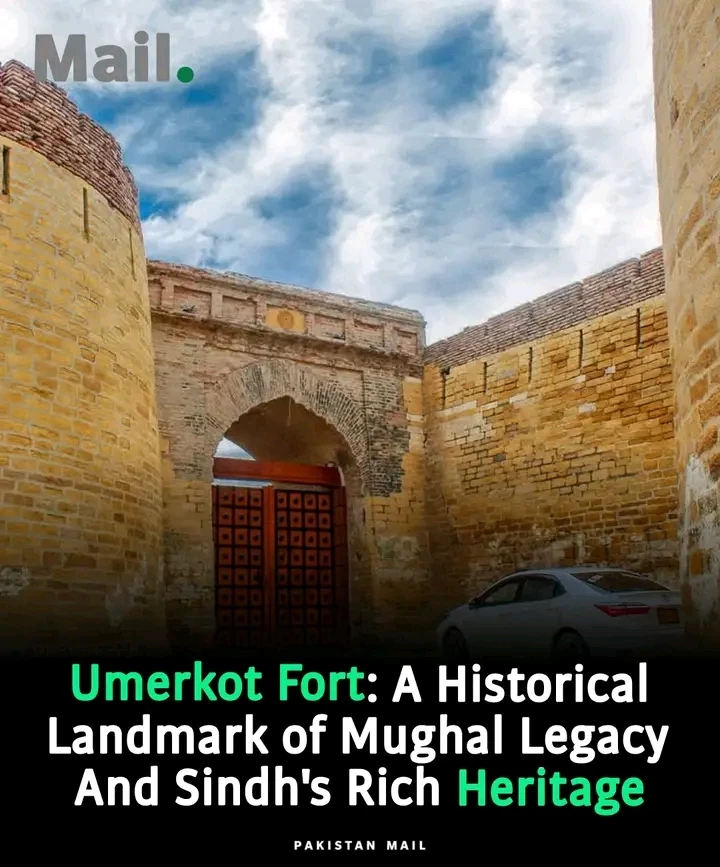
Umerkot Fort, located in the Umerkot district of Sindh, Pakistan, is a historical landmark of immense cultural and historical importance. The fort is famously associated with the birth of Mughal Emperor Akbar in 1542, making it a site of great significance in South Asian history. Built with baked bricks and mud, the fort's architecture reflects a blend of Mughal and Rajput styles, with its towering walls and imposing gates symbolizing its role as a strategic defensive structure.
Over the centuries, Umerkot Fort has served as a stronghold for various rulers, including Rajputs and Mughals, and played a pivotal role in regional politics and warfare. It stands as a testament to the area's rich history, embodying stories of resilience, power, and cultural exchanges. Inside the fort, visitors can explore museums housing artifacts and exhibits from the Mughal and pre-Mughal eras, offering a glimpse into the lives and traditions of the past.
Today, Umerkot Fort is a popular tourist destination, attracting history enthusiasts, architects, and cultural explorers alike. Its well-preserved structure and historical significance make it a must-visit site in Sindh. The fort not only narrates tales of bygone eras but also celebrates the heritage and folklore of the region, making it a cherished symbol of Sindh’s historical legacy.
#PakistanMail #Sindh #Umerkot #umerkotfort #Fort #mughalempire #History #Historical
Umerkot Fort, located in the Umerkot district of Sindh, Pakistan, is a historical landmark of immense cultural and historical importance. The fort is famously associated with the birth of Mughal Emperor Akbar in 1542, making it a site of great significance in South Asian history. Built with baked bricks and mud, the fort's architecture reflects a blend of Mughal and Rajput styles, with its towering walls and imposing gates symbolizing its role as a strategic defensive structure.
Over the centuries, Umerkot Fort has served as a stronghold for various rulers, including Rajputs and Mughals, and played a pivotal role in regional politics and warfare. It stands as a testament to the area's rich history, embodying stories of resilience, power, and cultural exchanges. Inside the fort, visitors can explore museums housing artifacts and exhibits from the Mughal and pre-Mughal eras, offering a glimpse into the lives and traditions of the past.
Today, Umerkot Fort is a popular tourist destination, attracting history enthusiasts, architects, and cultural explorers alike. Its well-preserved structure and historical significance make it a must-visit site in Sindh. The fort not only narrates tales of bygone eras but also celebrates the heritage and folklore of the region, making it a cherished symbol of Sindh’s historical legacy.
#PakistanMail #Sindh #Umerkot #umerkotfort #Fort #mughalempire #History #Historical

1