
0 reactions
Are you living this page, or trying to reread the last one?
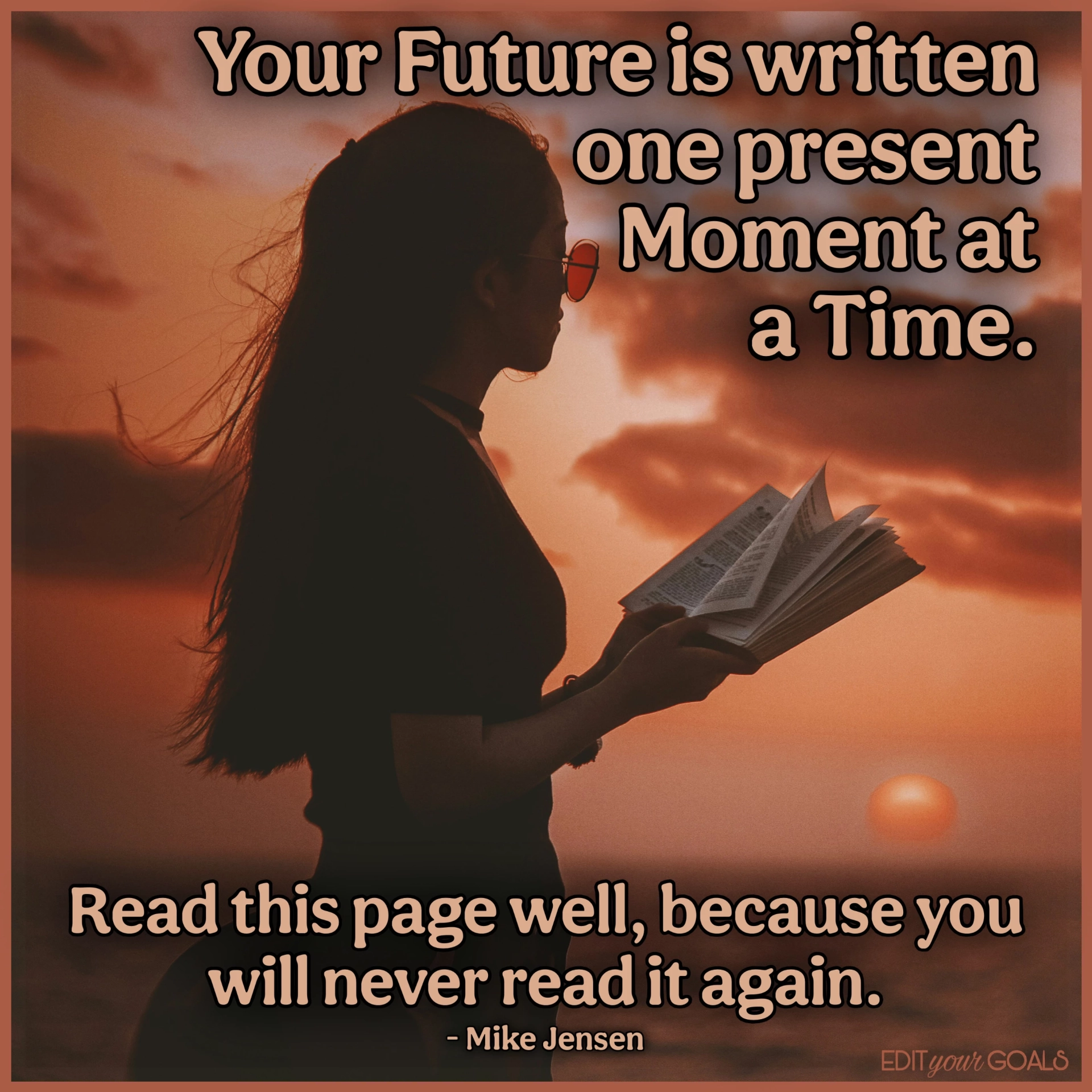
Life is like reading a book where you can never turn back the page. Every page is read only once. No matter how many times you replay it in your mind, yesterday cannot be relived and the past cannot be rewritten. It has already become part of your story.
That is why your greatest power is always found in this moment. The past is here to teach you, not to trap you. Learn its lessons, then keep moving. The future is worth preparing for, but you cannot skip ahead and read those pages before they arrive. They haven’t been written yet. The only page you can influence is the one in front of you right now.
Most people spend too much time rereading old chapters in their mind or worrying about chapters that have not been written yet. In doing so, they miss the page they are living today. Presence changes that. When you become fully aware of this moment, your thoughts become clearer, your choices become stronger, and your actions begin writing a better story.
Treat your life like a beautiful book. Read every word with the understanding that you will never read it again. Pay attention to every conversation, every challenge, every opportunity, and every lesson. They are shaping the pages that follow.
The next chapters are still blank. They are waiting for your choices, your energy, and your intention. Stop trying to rewrite yesterday or predict tomorrow. Focus on today. This page is where your life is being written, and what you choose in this moment has the power to influence every page that comes after.
If this message spoke to you or something within it resonated, I invite you to check out my other ideas in my books sold on Amazon. They have already helped thousands worldwide.
– Coach Mike
EDIT Your GOALS
Every
Day
Internal
Thoughts
Guarantee
Our
Absolute
Life
Situations
#future #moment #time #read #write
Background Photo Credit:
Aziz Acharki
Life is like reading a book where you can never turn back the page. Every page is read only once. No matter how many times you replay it in your mind, yesterday cannot be relived and the past cannot be rewritten. It has already become part of your story.
That is why your greatest power is always found in this moment. The past is here to teach you, not to trap you. Learn its lessons, then keep moving. The future is worth preparing for, but you cannot skip ahead and read those pages before they arrive. They haven’t been written yet. The only page you can influence is the one in front of you right now.
Most people spend too much time rereading old chapters in their mind or worrying about chapters that have not been written yet. In doing so, they miss the page they are living today. Presence changes that. When you become fully aware of this moment, your thoughts become clearer, your choices become stronger, and your actions begin writing a better story.
Treat your life like a beautiful book. Read every word with the understanding that you will never read it again. Pay attention to every conversation, every challenge, every opportunity, and every lesson. They are shaping the pages that follow.
The next chapters are still blank. They are waiting for your choices, your energy, and your intention. Stop trying to rewrite yesterday or predict tomorrow. Focus on today. This page is where your life is being written, and what you choose in this moment has the power to influence every page that comes after.
If this message spoke to you or something within it resonated, I invite you to check out my other ideas in my books sold on Amazon. They have already helped thousands worldwide.
– Coach Mike
EDIT Your GOALS
Every
Day
Internal
Thoughts
Guarantee
Our
Absolute
Life
Situations
#future #moment #time #read #write
Background Photo Credit:
Aziz Acharki


1 reactions
How was that last chapter?
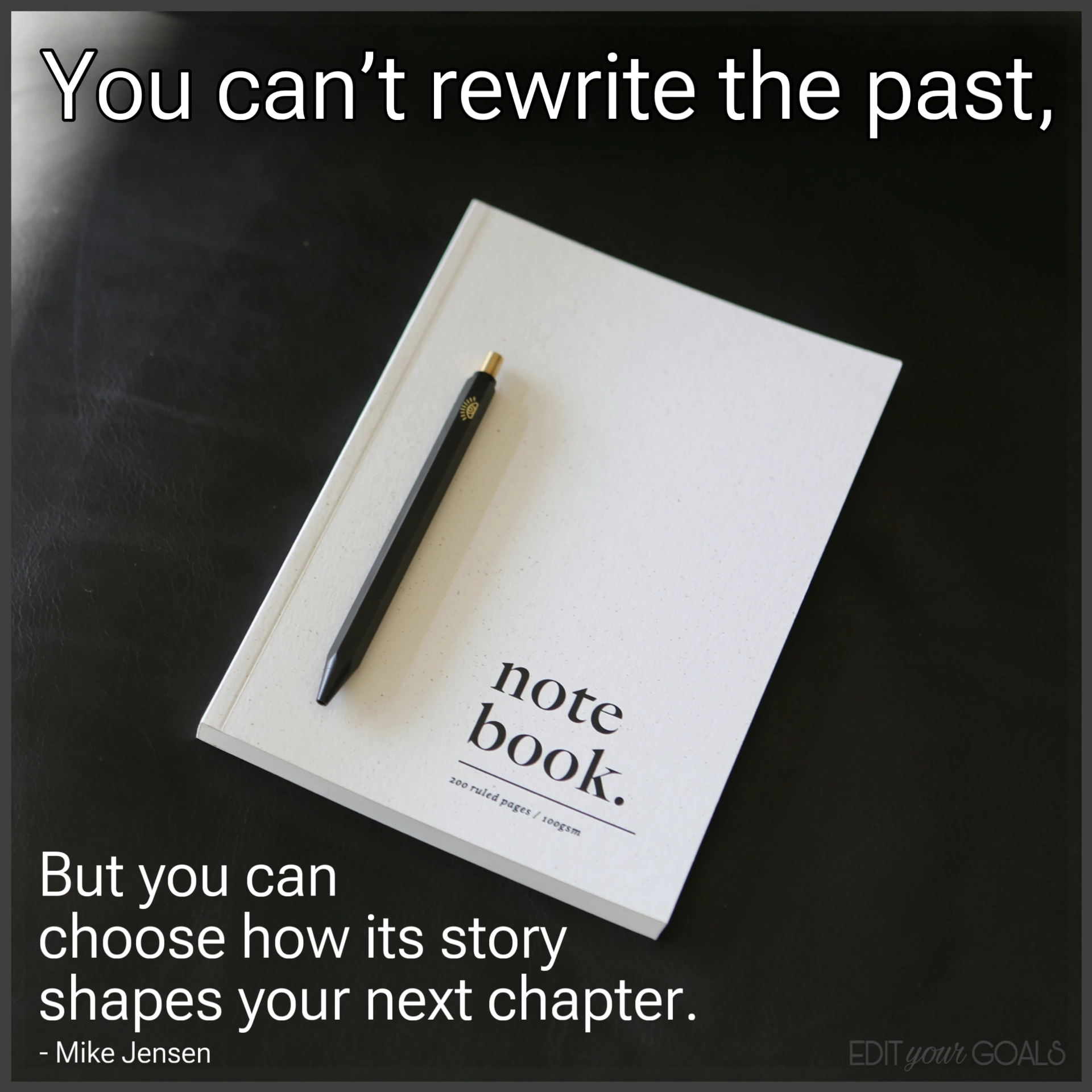
You can’t change what happened. No matter how hard you think about it, relive it, or wish it were different—what’s done is done. The past isn’t a place you can live in or fix. It’s just a memory. And yet, most people remain prisoners to it, dragging old moments into their present as if they still hold power.
But here’s the truth: the past has zero control over you unless you keep feeding it energy. The moment you stop giving it your attention, its grip fades. You’re not there anymore. You’re here—now. And in this present moment lies your true power.
Rebuilding doesn’t mean pretending it didn’t happen. It means taking what happened, learning from it, and letting it sharpen your awareness. It’s about using the lessons to influence your next steps—not punish yourself with them. This is where the power of influence beats the illusion of control. You don’t control what was. You influence what will be—by the energy you bring to this moment.
So stop overthinking it. Stop blaming others. Stop blaming yourself. Those are distractions dressed up as solutions.
If you want peace, fulfillment, and forward momentum, it’s simple—but not easy: commit to consistency. Show up every day with presence. Take small, intentional steps. Honor where you’ve been, but don’t let it define where you’re going.
The past is a chapter. You’re the author. Start writing the next one.
If this message spoke to you or something within it resonated, I invite you to like and share it—because you never know who else might need to hear it today.
– Coach Mike
EDIT Your GOALS
Every
Day
Internal
Thoughts
Guarantee
Our
Absolute
Life
Situations
#past #write #choose #influence #writer
Background Photo Credit:
Luis Soto
You can’t change what happened. No matter how hard you think about it, relive it, or wish it were different—what’s done is done. The past isn’t a place you can live in or fix. It’s just a memory. And yet, most people remain prisoners to it, dragging old moments into their present as if they still hold power.
But here’s the truth: the past has zero control over you unless you keep feeding it energy. The moment you stop giving it your attention, its grip fades. You’re not there anymore. You’re here—now. And in this present moment lies your true power.
Rebuilding doesn’t mean pretending it didn’t happen. It means taking what happened, learning from it, and letting it sharpen your awareness. It’s about using the lessons to influence your next steps—not punish yourself with them. This is where the power of influence beats the illusion of control. You don’t control what was. You influence what will be—by the energy you bring to this moment.
So stop overthinking it. Stop blaming others. Stop blaming yourself. Those are distractions dressed up as solutions.
If you want peace, fulfillment, and forward momentum, it’s simple—but not easy: commit to consistency. Show up every day with presence. Take small, intentional steps. Honor where you’ve been, but don’t let it define where you’re going.
The past is a chapter. You’re the author. Start writing the next one.
If this message spoke to you or something within it resonated, I invite you to like and share it—because you never know who else might need to hear it today.
– Coach Mike
EDIT Your GOALS
Every
Day
Internal
Thoughts
Guarantee
Our
Absolute
Life
Situations
#past #write #choose #influence #writer
Background Photo Credit:
Luis Soto

1
1 reactions
Who’s writing your life?
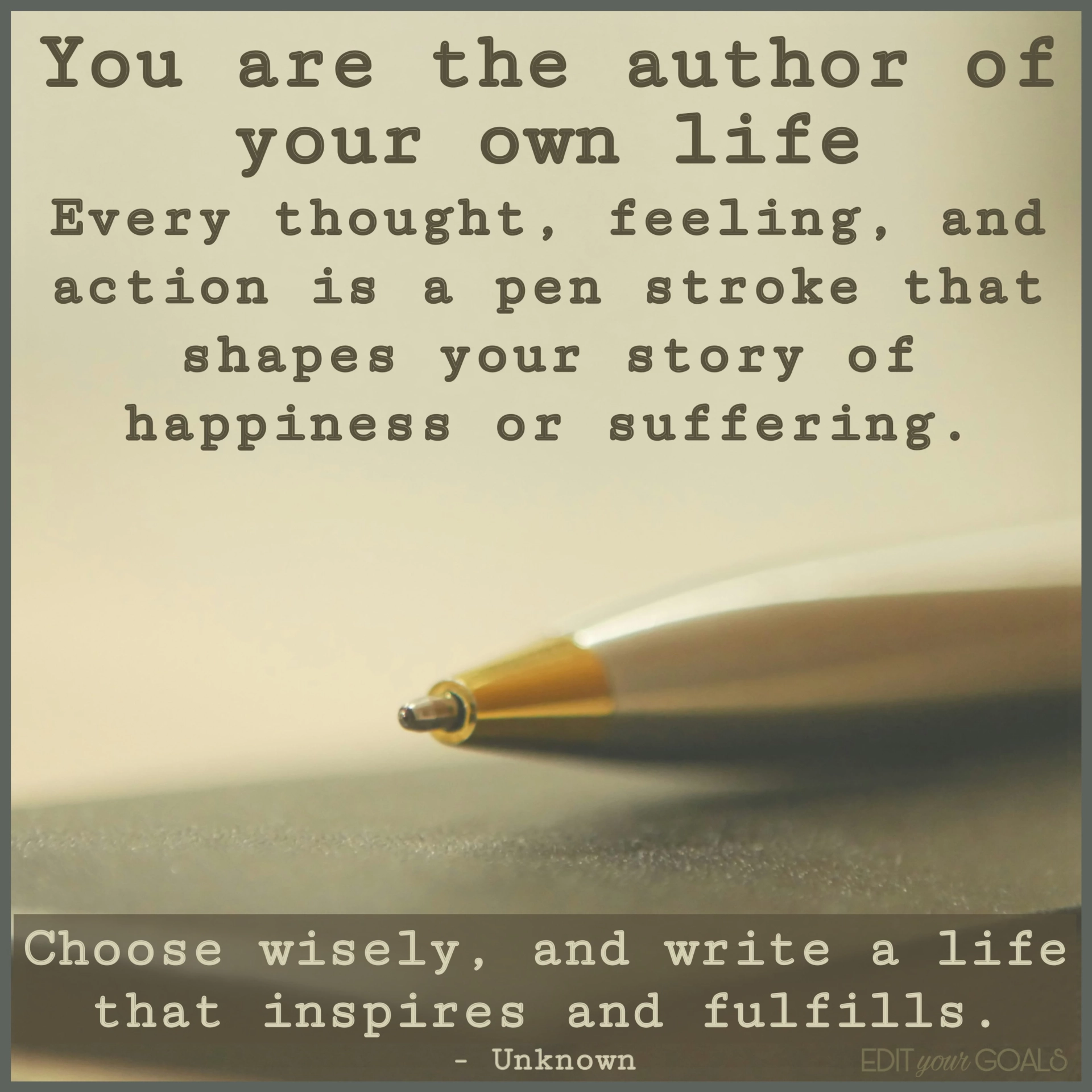
We are the architects of our own happiness or suffering, and this is rooted in our thoughts, feelings, and actions. The way we perceive and interpret the world around us has a direct impact on our emotional well-being. Our thoughts create our feelings, which in turn influence how we react to situations. When we harbor positive, constructive thoughts, we cultivate a sense of happiness and fulfillment. Conversely, when our thoughts are negative or self-defeating, we pave the way for suffering.
This concept highlights the profound responsibility we have over our own lives. It suggests that external events, while influential, are not the primary determinants of our emotional state. Instead, it is our internal dialogue and the meanings we attach to these events that determine whether we experience joy or despair.
For example, when faced with a challenging situation, one person might see it as an opportunity for growth, while another might view it as an insurmountable obstacle. The difference in outcomes lies in their internal responses—their thoughts and attitudes—not the situation itself. By taking responsibility for our internal processes, we empower ourselves to create a more positive and fulfilling life.
This responsibility also extends to our actions and reactions. How we choose to respond to life’s events plays a crucial role in shaping our experiences. By consciously choosing to act in ways that align with our values and aspirations, we steer our lives toward happiness rather than suffering. In essence, we hold the key to our own emotional destiny.
-Coach Mike
EDIT your GOALS
Every
Day
Internal
Thoughts
Guarantees
Our
Absolute
Life
Situations
#write #author #life #happiness #struggle
Background Picture by
Masjid Maba
We are the architects of our own happiness or suffering, and this is rooted in our thoughts, feelings, and actions. The way we perceive and interpret the world around us has a direct impact on our emotional well-being. Our thoughts create our feelings, which in turn influence how we react to situations. When we harbor positive, constructive thoughts, we cultivate a sense of happiness and fulfillment. Conversely, when our thoughts are negative or self-defeating, we pave the way for suffering.
This concept highlights the profound responsibility we have over our own lives. It suggests that external events, while influential, are not the primary determinants of our emotional state. Instead, it is our internal dialogue and the meanings we attach to these events that determine whether we experience joy or despair.
For example, when faced with a challenging situation, one person might see it as an opportunity for growth, while another might view it as an insurmountable obstacle. The difference in outcomes lies in their internal responses—their thoughts and attitudes—not the situation itself. By taking responsibility for our internal processes, we empower ourselves to create a more positive and fulfilling life.
This responsibility also extends to our actions and reactions. How we choose to respond to life’s events plays a crucial role in shaping our experiences. By consciously choosing to act in ways that align with our values and aspirations, we steer our lives toward happiness rather than suffering. In essence, we hold the key to our own emotional destiny.
-Coach Mike
EDIT your GOALS
Every
Day
Internal
Thoughts
Guarantees
Our
Absolute
Life
Situations
#write #author #life #happiness #struggle
Background Picture by
Masjid Maba
1