0 reactions
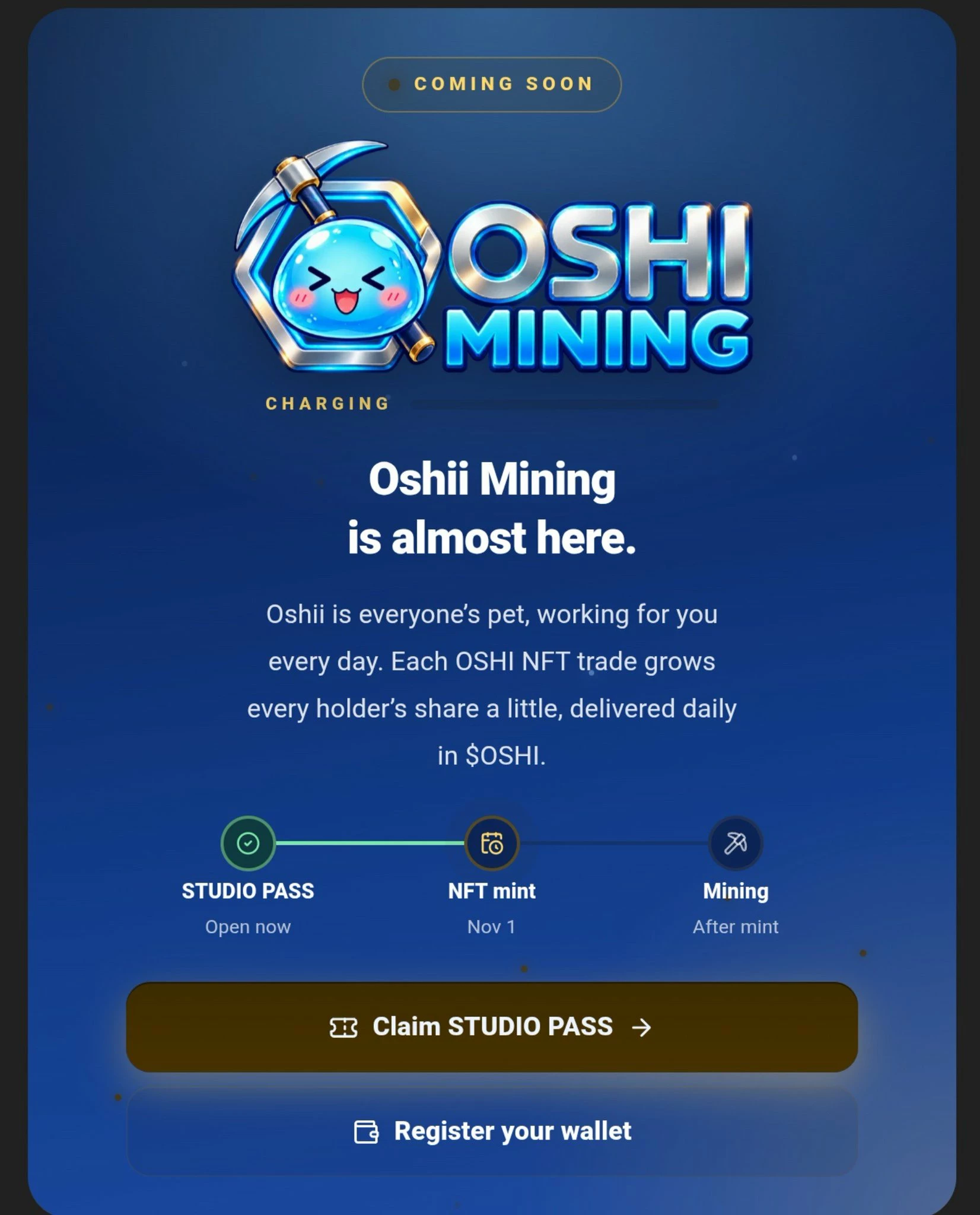
🚨 DON’T GET LEFT BEHIND! 👀🔥
If you see this, take your chance! 🚀
✅ Register and participate
✅ Complete all tasks
✅ Connect your wallet
✅ Claim your Studio Pass before November 1!
🔗 Register here: https://studio.oshi-labs.com/?ref=c1e00659e71747c3
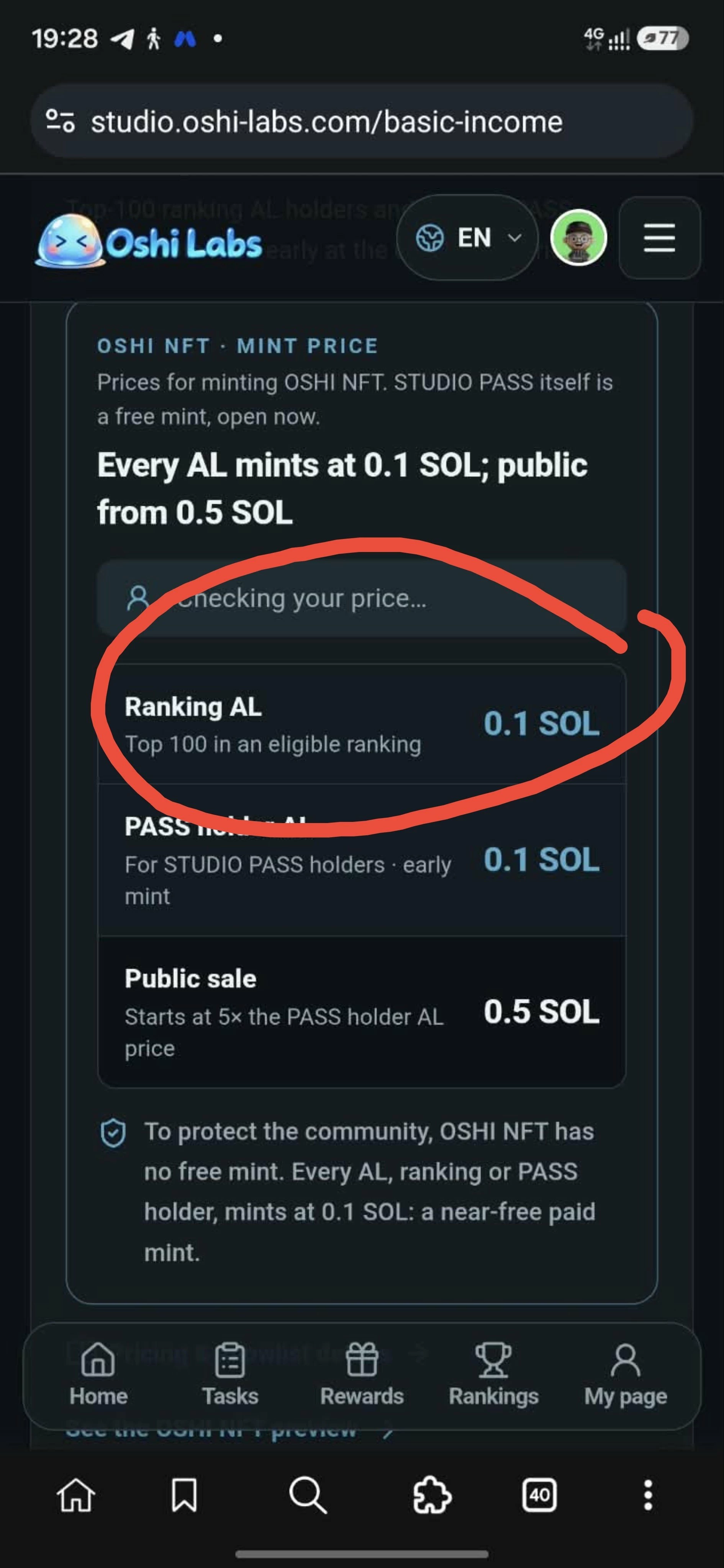
💎 PREPARE YOUR SOL FOR MINTING!
🎟️ Studio Pass holders: NFT mint starts at 0.1 SOL
🌍 Public mint: 0.5 SOL
That's not all! 👀 Holders of OSHI NFTs are mining $OSHI tokens! 💰🔥
Get ready, complete the tasks, and don't miss the opportunity!
DYOR. Don't risk more than you can afford to lose.
#OSHI #OSHILabs #Solana #NFT #Crypto #Web3
If you see this, take your chance! 🚀
✅ Register and participate
✅ Complete all tasks
✅ Connect your wallet
✅ Claim your Studio Pass before November 1!
🔗 Register here: https://studio.oshi-labs.com/?ref=c1e00659e71747c3
💎 PREPARE YOUR SOL FOR MINTING!
🎟️ Studio Pass holders: NFT mint starts at 0.1 SOL
🌍 Public mint: 0.5 SOL
That's not all! 👀 Holders of OSHI NFTs are mining $OSHI tokens! 💰🔥
Get ready, complete the tasks, and don't miss the opportunity!
DYOR. Don't risk more than you can afford to lose.
#OSHI #OSHILabs #Solana #NFT #Crypto #Web3
1/2


8 reactions
The chart has a clear top. #earn and #edsheerantrack are the tags repeating most, posted by
Next is #foodporn , twice, both from
Music keeps rolling.
Wellness lane:
History and cosmos:
Art and play:
Subscribe to
Next is #foodporn , twice, both from
Music keeps rolling.
Wellness lane:
History and cosmos:
Art and play:
Subscribe to

4

1