3 reactions
QuickPad v4.3 is live 💪
https://quickpad.org
🖥️ Clean UI
📄 Open & edit Word (.docx), PDF, & code docs directly
🔄 Chrome App persistence until you burn the note
🚀 Clean canvas start + Guide in settings
⚡ 60% faster launch time
🛡️ 100% free, zero ads, zero trackers
I plan on making video walkthroughs for each project I am working on soon. I hope everyone is having a good week so far!
#privacy #zeroknowledge #notes #quickpad
https://quickpad.org
🖥️ Clean UI
📄 Open & edit Word (.docx), PDF, & code docs directly
🔄 Chrome App persistence until you burn the note
🚀 Clean canvas start + Guide in settings
⚡ 60% faster launch time
🛡️ 100% free, zero ads, zero trackers
I plan on making video walkthroughs for each project I am working on soon. I hope everyone is having a good week so far!
#privacy #zeroknowledge #notes #quickpad


3
1 reactions
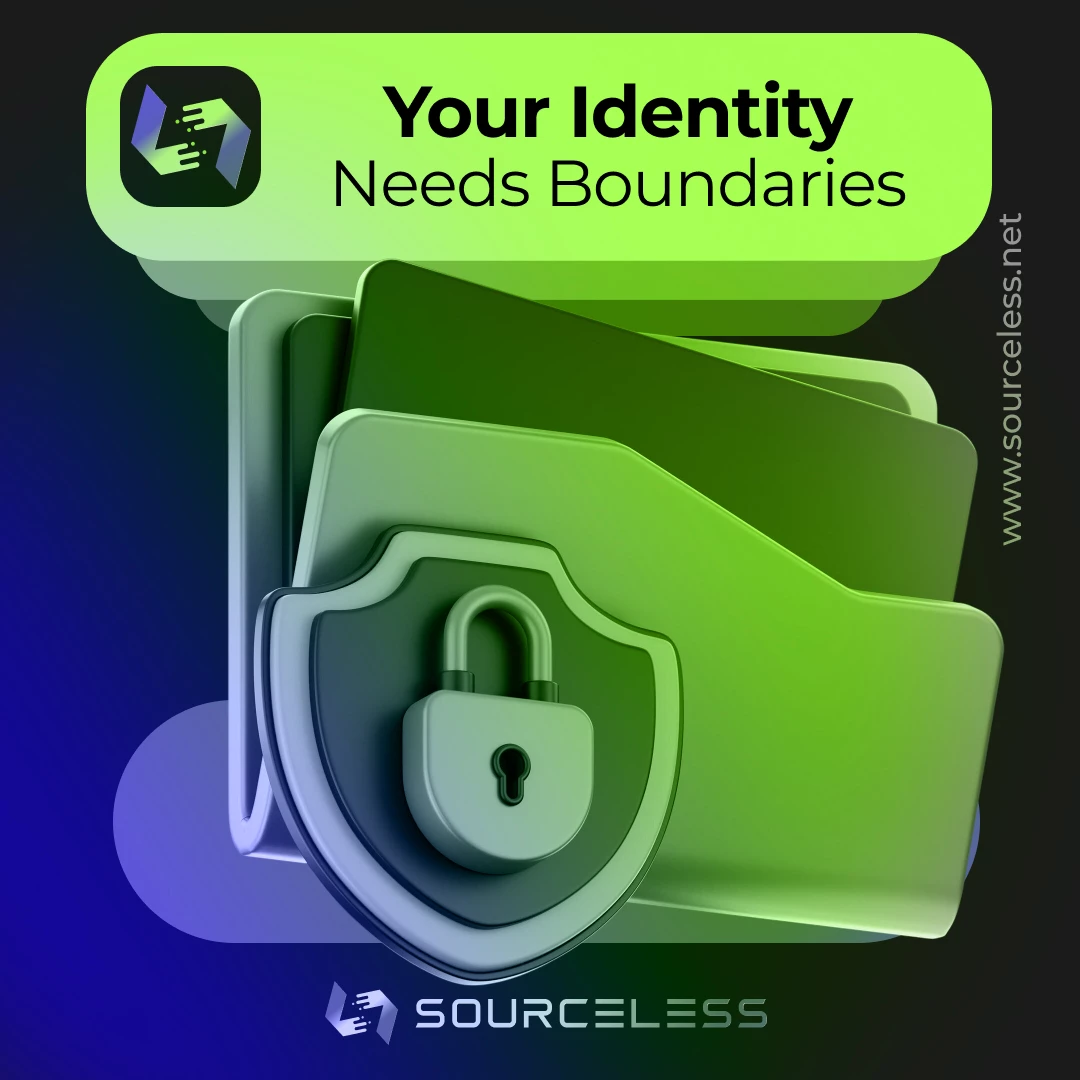
𝐖𝐡𝐨 𝐆𝐞𝐭𝐬 𝐭𝐨 𝐊𝐧𝐨𝐰 𝐖𝐡𝐚𝐭 𝐀𝐛𝐨𝐮𝐭 𝐘𝐨𝐮?
Different people know different things about us, and that’s completely normal. Friends, colleagues, employers, institutions and the services we use all meet us in different contexts. We don’t give every one of them the same access to our lives.
Privacy scholar 𝐇𝐞𝐥𝐞𝐧 𝐍𝐢𝐬𝐬𝐞𝐧𝐛𝐚𝐮𝐦, 𝐩𝐫𝐨𝐟𝐞𝐬𝐬𝐨𝐫 𝐚𝐭 𝐂𝐨𝐫𝐧𝐞𝐥𝐥 𝐓𝐞𝐜𝐡, describes privacy as “𝐚 𝐫𝐢𝐠𝐡𝐭 𝐭𝐨 𝐚𝐩𝐩𝐫𝐨𝐩𝐫𝐢𝐚𝐭𝐞 𝐟𝐥𝐨𝐰 𝐨𝐟 𝐢𝐧𝐟𝐨𝐫𝐦𝐚𝐭𝐢𝐨𝐧.”
Something can be perfectly appropriate to share in one situation and completely out of place in another.
Online, those boundaries are easier to lose.
The same email, phone number, wallet address or persistent identifier can connect activity that happened in completely different parts of your life.
Digital identity now has to solve both aspects of that problem: continuity when we need it, without making everything automatically linkable.
Inside SourceLess, 𝐒𝐓𝐑.𝐃𝐨𝐦𝐚𝐢𝐧 is a human-readable identity recorded on-chain, purchased once and owned for life, and used across connected services. 𝐙𝐊𝟏𝟑 is being developed so that using the same identity doesn’t have to mean revealing the same information every time — ownership or certain attributes can be verified without exposing the information underneath.
𝐎𝐧𝐞 𝐢𝐝𝐞𝐧𝐭𝐢𝐭𝐲 𝐬𝐡𝐨𝐮𝐥𝐝 𝐦𝐚𝐤𝐞 𝐲𝐨𝐮𝐫 𝐝𝐢𝐠𝐢𝐭𝐚𝐥 𝐥𝐢𝐟𝐞 𝐞𝐚𝐬𝐢𝐞𝐫 𝐭𝐨 𝐦𝐚𝐧𝐚𝐠𝐞, 𝐧𝐨𝐭 𝐦𝐚𝐤𝐞 𝐲𝐨𝐮 𝐞𝐚𝐬𝐢𝐞𝐫 𝐭𝐨 𝐦𝐚𝐩.
𝐄𝐱𝐩𝐥𝐨𝐫𝐞 𝐒𝐓𝐑.𝐃𝐨𝐦𝐚𝐢𝐧 at https://www.str.domains .
#SourceLess #STRDomains #DigitalIdentity #Privacy #ZeroKnowledge #DigitalOwnership #Web3
Different people know different things about us, and that’s completely normal. Friends, colleagues, employers, institutions and the services we use all meet us in different contexts. We don’t give every one of them the same access to our lives.
Privacy scholar 𝐇𝐞𝐥𝐞𝐧 𝐍𝐢𝐬𝐬𝐞𝐧𝐛𝐚𝐮𝐦, 𝐩𝐫𝐨𝐟𝐞𝐬𝐬𝐨𝐫 𝐚𝐭 𝐂𝐨𝐫𝐧𝐞𝐥𝐥 𝐓𝐞𝐜𝐡, describes privacy as “𝐚 𝐫𝐢𝐠𝐡𝐭 𝐭𝐨 𝐚𝐩𝐩𝐫𝐨𝐩𝐫𝐢𝐚𝐭𝐞 𝐟𝐥𝐨𝐰 𝐨𝐟 𝐢𝐧𝐟𝐨𝐫𝐦𝐚𝐭𝐢𝐨𝐧.”
Something can be perfectly appropriate to share in one situation and completely out of place in another.
Online, those boundaries are easier to lose.
The same email, phone number, wallet address or persistent identifier can connect activity that happened in completely different parts of your life.
Digital identity now has to solve both aspects of that problem: continuity when we need it, without making everything automatically linkable.
Inside SourceLess, 𝐒𝐓𝐑.𝐃𝐨𝐦𝐚𝐢𝐧 is a human-readable identity recorded on-chain, purchased once and owned for life, and used across connected services. 𝐙𝐊𝟏𝟑 is being developed so that using the same identity doesn’t have to mean revealing the same information every time — ownership or certain attributes can be verified without exposing the information underneath.
𝐎𝐧𝐞 𝐢𝐝𝐞𝐧𝐭𝐢𝐭𝐲 𝐬𝐡𝐨𝐮𝐥𝐝 𝐦𝐚𝐤𝐞 𝐲𝐨𝐮𝐫 𝐝𝐢𝐠𝐢𝐭𝐚𝐥 𝐥𝐢𝐟𝐞 𝐞𝐚𝐬𝐢𝐞𝐫 𝐭𝐨 𝐦𝐚𝐧𝐚𝐠𝐞, 𝐧𝐨𝐭 𝐦𝐚𝐤𝐞 𝐲𝐨𝐮 𝐞𝐚𝐬𝐢𝐞𝐫 𝐭𝐨 𝐦𝐚𝐩.
𝐄𝐱𝐩𝐥𝐨𝐫𝐞 𝐒𝐓𝐑.𝐃𝐨𝐦𝐚𝐢𝐧 at https://www.str.domains .
#SourceLess #STRDomains #DigitalIdentity #Privacy #ZeroKnowledge #DigitalOwnership #Web3
1
0 reactions
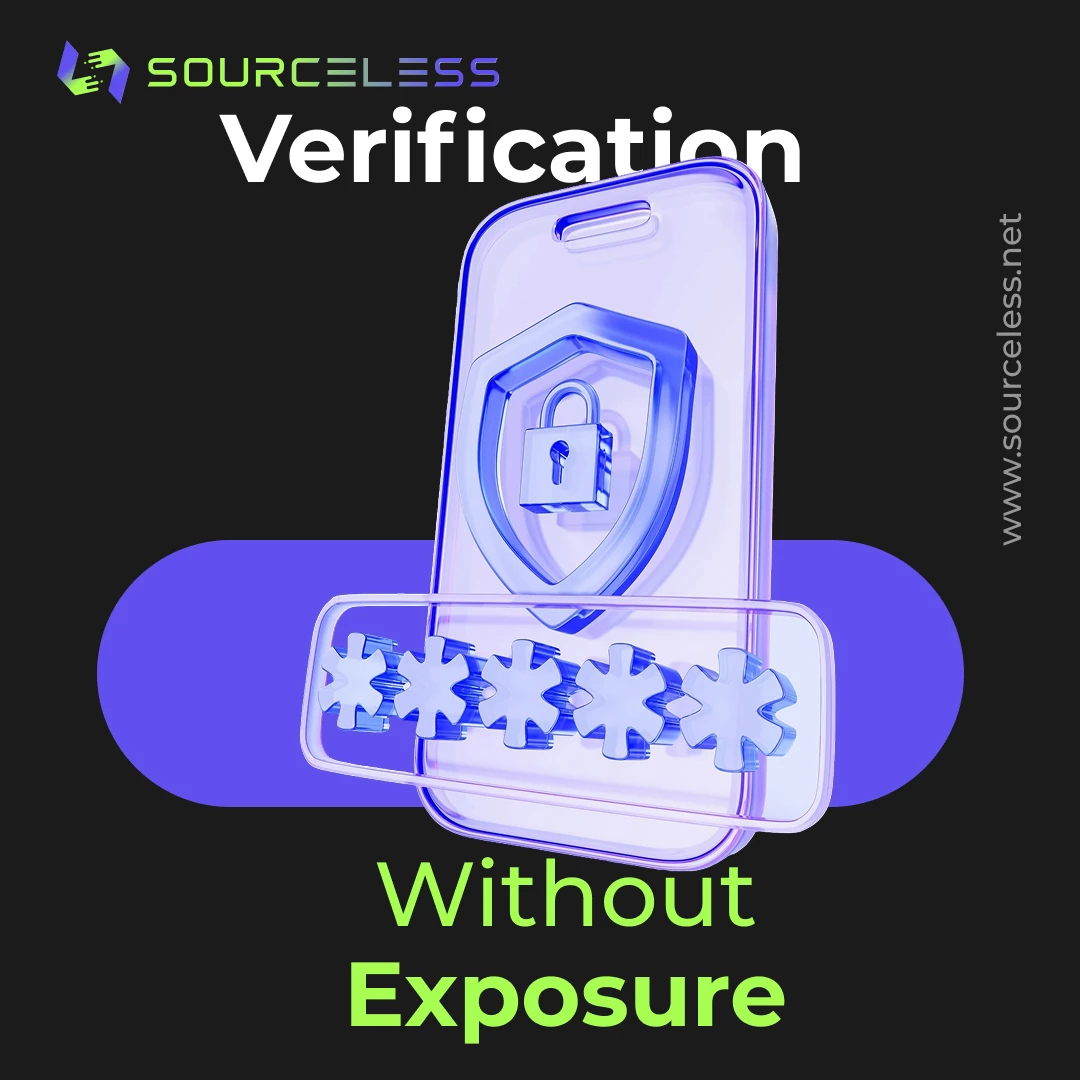
𝐕𝐞𝐫𝐢𝐟𝐢𝐜𝐚𝐭𝐢𝐨𝐧 𝐖𝐢𝐭𝐡𝐨𝐮𝐭 𝐄𝐱𝐩𝐨𝐬𝐮𝐫𝐞
𝘗𝘳𝘪𝘷𝘢𝘤𝘺 𝘣𝘺 𝘥𝘦𝘴𝘪𝘨𝘯 𝘰𝘯 𝘵𝘩𝘦 𝘣𝘭𝘰𝘤𝘬𝘤𝘩𝘢𝘪𝘯
Before anything is written on-chain, one of the first design questions is: what needs a permanent record, and what can be verified without exposing the data behind it?
In July, the European Data Protection Board finalized new guidance for blockchain systems handling personal data. Among its recommendations: minimise the personal data placed on-chain, keep additional data off-chain where possible, and consider privacy-preserving methods such as zero-knowledge proofs.
Sometimes you need a permanent record. Other times, you only need proof that something is true, without revealing the information behind it.
SourceLess’s technical architecture includes ZK13 for verification without exposing the underlying data, alongside a hybrid approach that separates off-chain information from blockchain proofs and records.
This doesn’t automatically make any system GDPR-compliant. But privacy begins with what the actual architecture is designed to reveal, verify and keep private.
Explore how SourceLess approaches privacy, identity and blockchain:
www.sourceless.net
#SourceLess #Blockchain #DataPrivacy #ZeroKnowledge #DigitalIdentity #PrivacyByDesign
𝘗𝘳𝘪𝘷𝘢𝘤𝘺 𝘣𝘺 𝘥𝘦𝘴𝘪𝘨𝘯 𝘰𝘯 𝘵𝘩𝘦 𝘣𝘭𝘰𝘤𝘬𝘤𝘩𝘢𝘪𝘯
Before anything is written on-chain, one of the first design questions is: what needs a permanent record, and what can be verified without exposing the data behind it?
In July, the European Data Protection Board finalized new guidance for blockchain systems handling personal data. Among its recommendations: minimise the personal data placed on-chain, keep additional data off-chain where possible, and consider privacy-preserving methods such as zero-knowledge proofs.
Sometimes you need a permanent record. Other times, you only need proof that something is true, without revealing the information behind it.
SourceLess’s technical architecture includes ZK13 for verification without exposing the underlying data, alongside a hybrid approach that separates off-chain information from blockchain proofs and records.
This doesn’t automatically make any system GDPR-compliant. But privacy begins with what the actual architecture is designed to reveal, verify and keep private.
Explore how SourceLess approaches privacy, identity and blockchain:
www.sourceless.net
#SourceLess #Blockchain #DataPrivacy #ZeroKnowledge #DigitalIdentity #PrivacyByDesign