
31 reactions
🌸🐦 Meet the Pink Pigeon, Mauritius’ Rare Jewel 🐦🌸
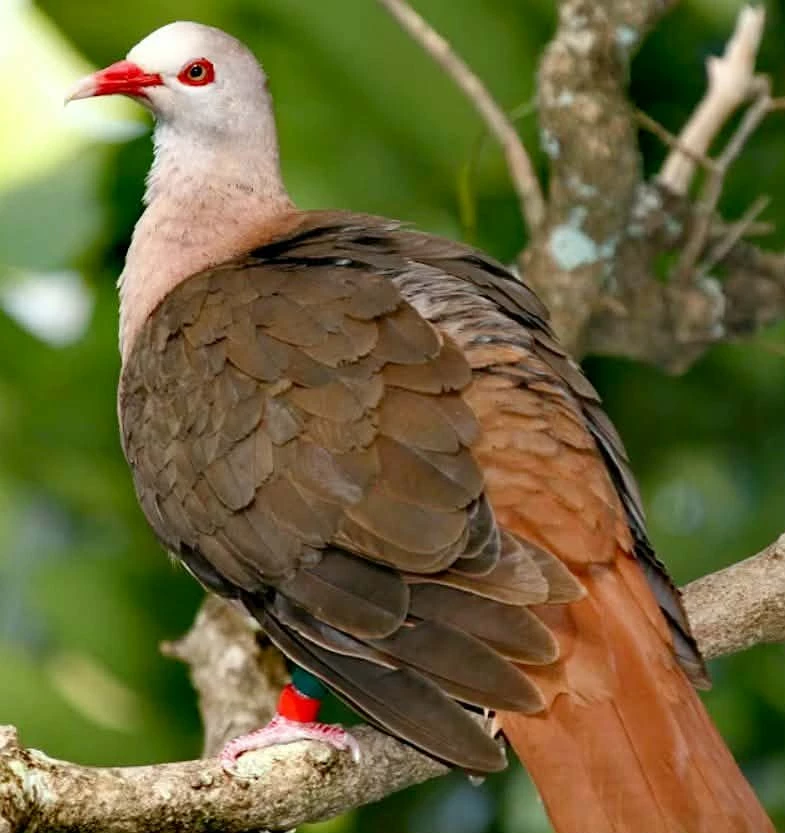
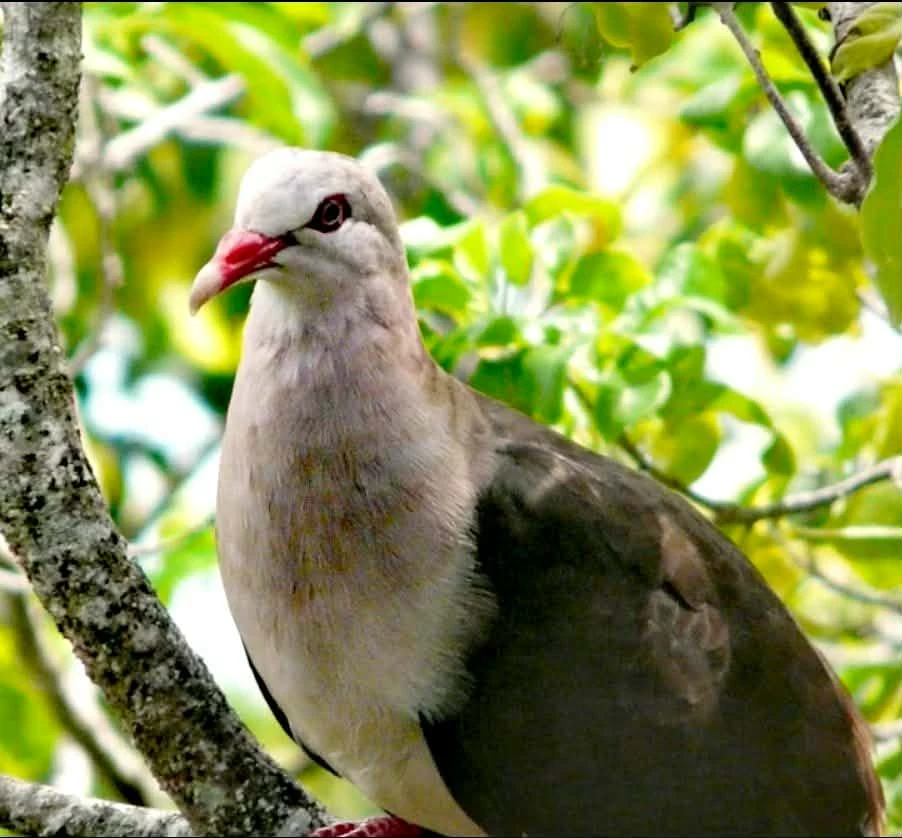
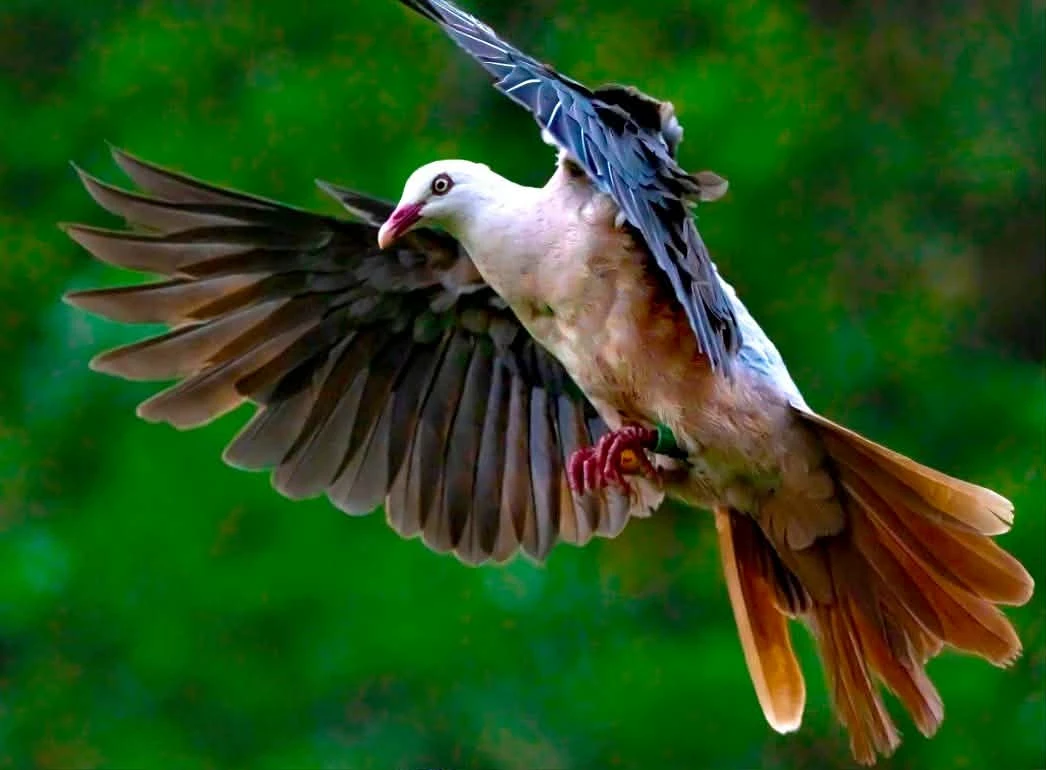
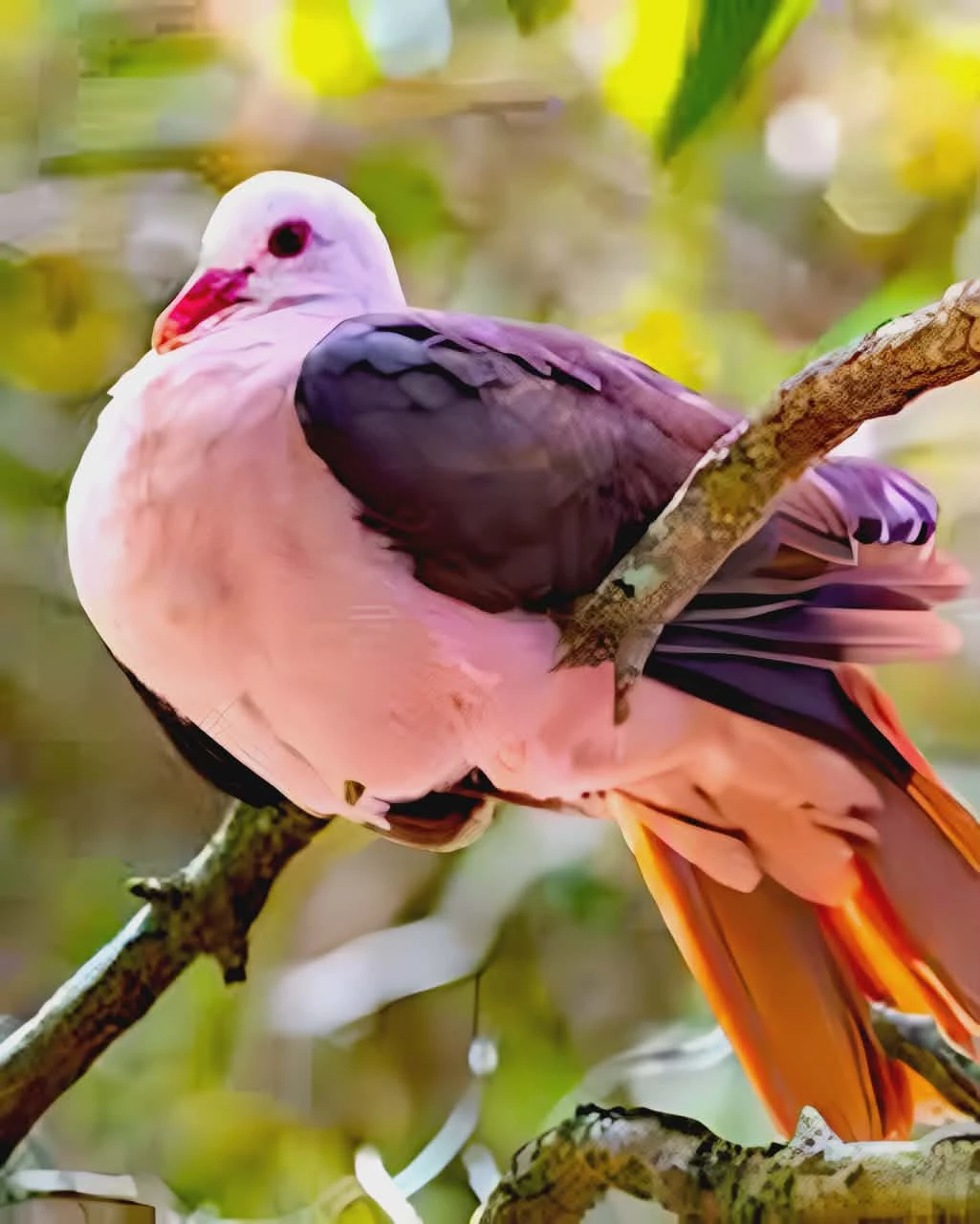
The pink pigeon (Nesoenas mayeri) is one of the rarest birds in the world, found only on the island of Mauritius in the Indian Ocean. Once on the brink of extinction, conservation efforts have helped its population slowly recover, but it’s still considered vulnerable .
These striking birds can mostly be spotted in protected areas like:
🌿 Black River Gorges National Park – lush forests in southwestern Mauritius
🌿 Île aux Aigrettes – a predator-free nature reserve off the coast, and a few other carefully managed forest habitats.
The pink pigeon’s soft blush plumage and gentle nature make it a true symbol of the island’s unique wildlife. Visiting these reserves not only gives you a chance to see this incredible bird but also supports ongoing conservation efforts to keep the species thriving. 💚
✨ Fun fact: The pink pigeon is a reminder that even species pushed to the brink can make a comeback with care, protection, and dedication!
#PinkPigeon #MauritiusWildlife #Conservation #EndangeredSpecies #NatureLovers
The pink pigeon (Nesoenas mayeri) is one of the rarest birds in the world, found only on the island of Mauritius in the Indian Ocean. Once on the brink of extinction, conservation efforts have helped its population slowly recover, but it’s still considered vulnerable .
These striking birds can mostly be spotted in protected areas like:
🌿 Black River Gorges National Park – lush forests in southwestern Mauritius
🌿 Île aux Aigrettes – a predator-free nature reserve off the coast, and a few other carefully managed forest habitats.
The pink pigeon’s soft blush plumage and gentle nature make it a true symbol of the island’s unique wildlife. Visiting these reserves not only gives you a chance to see this incredible bird but also supports ongoing conservation efforts to keep the species thriving. 💚
✨ Fun fact: The pink pigeon is a reminder that even species pushed to the brink can make a comeback with care, protection, and dedication!
#PinkPigeon #MauritiusWildlife #Conservation #EndangeredSpecies #NatureLovers


6

3

2

21 reactions
The Tale of the Dodo Bird: Extinction and Legacy
In the annals of extinction, few creatures have captured the imagination quite like the dodo bird. This flightless wonder, native to the island of Mauritius in the Indian Ocean, remains an emblem of human impact on the natural world.
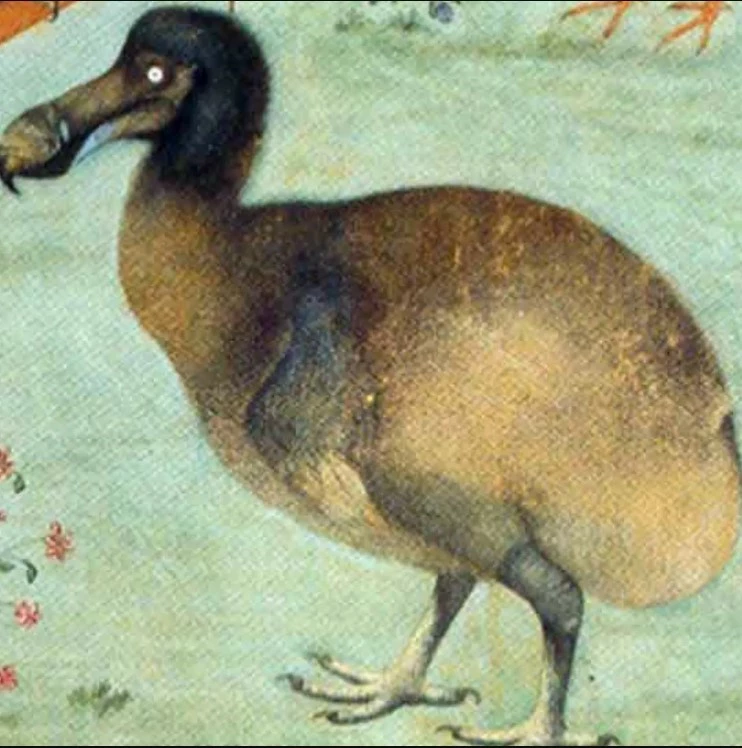
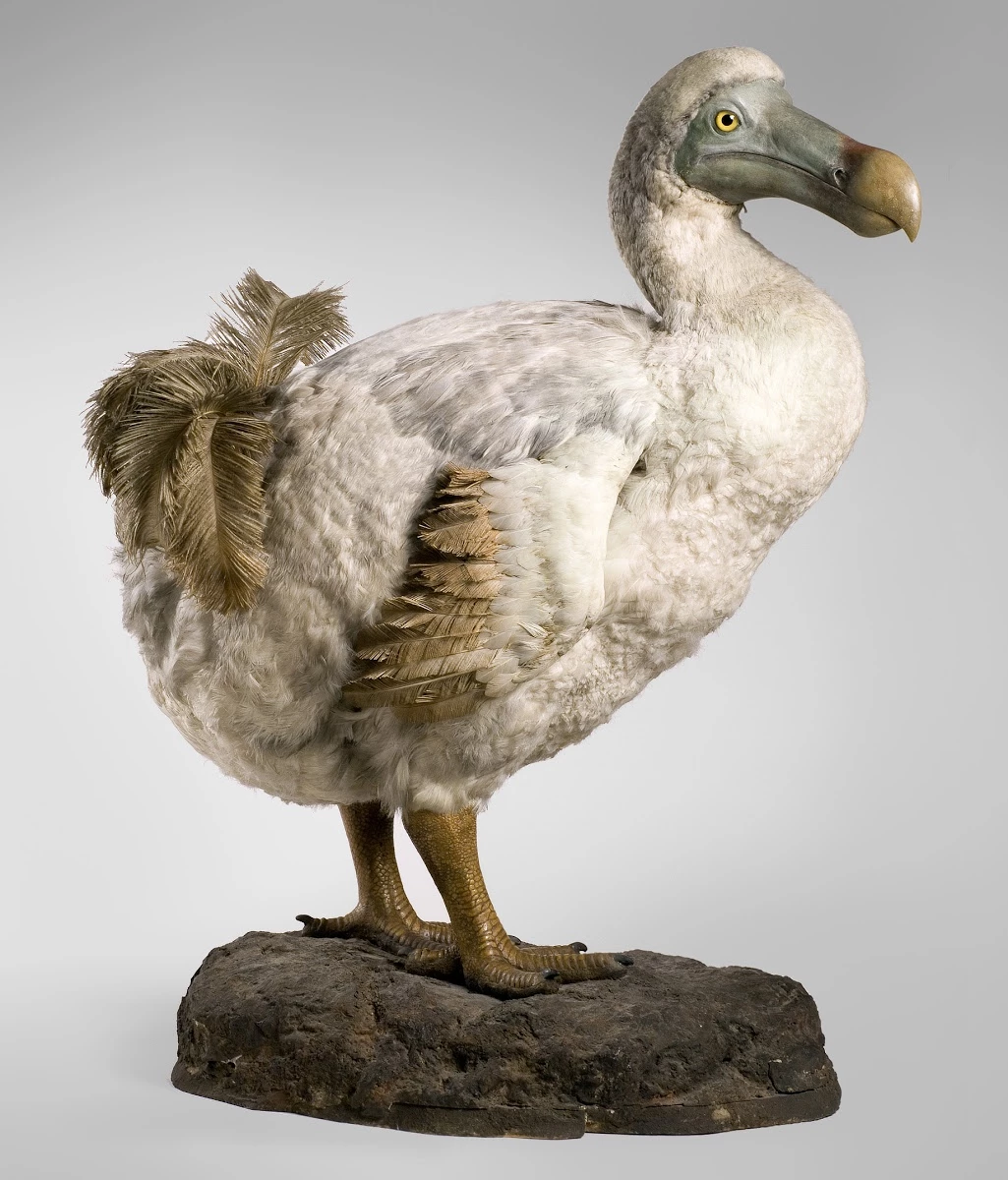
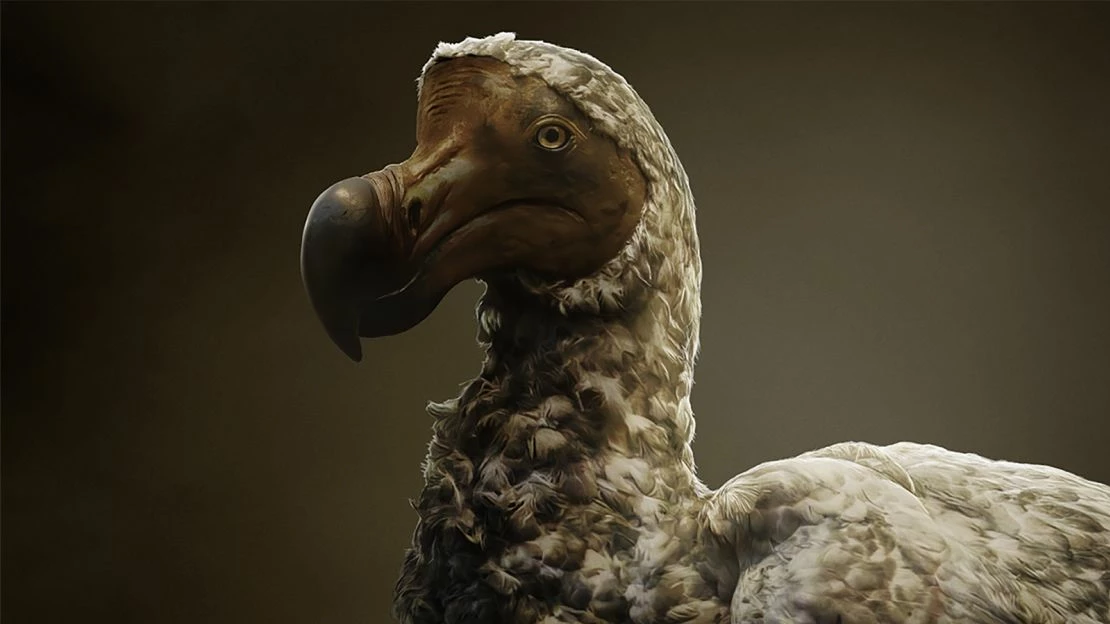
The dodo (Raphus cucullatus) was a large, flightless bird characterized by its stout build, bulky frame, and distinctively hooked beak. Historically, it thrived in the lush, isolated ecosystems of Mauritius, where it evolved in the absence of predators. With no natural enemies to contend with, the dodo led a relatively peaceful existence, feeding on fruits, seeds, and small invertebrates.
The first recorded encounter between humans and dodos occurred in the late 16th century when Dutch sailors arrived on Mauritius. These mariners, in search of fresh provisions during their long voyages, found the dodo to be an easy target. Unaccustomed to human predation, the dodos were quickly hunted to extinction, their flesh prized as a delicacy by hungry sailors.
Within a span of mere decades, the once-thriving dodo population plummeted, and by the mid-17th century, the bird had vanished from the face of the earth. The rapid demise of the dodo serves as a poignant reminder of the devastating impact of human colonization and exploitation on vulnerable species.
Despite its tragic fate, the dodo continues to capture the imagination of scientists, historians, and artists alike. Its unique appearance and curious demeanor have inspired countless works of literature, art, and popular culture, cementing its status as an enduring symbol of extinction and environmental stewardship.
In recent years, efforts have been made to uncover more about the life and times of the dodo through archaeological excavations and scientific studies. These endeavors have shed light on various aspects of dodo biology, behavior, and ecology, helping to piece together a more comprehensive understanding of this enigmatic bird.
While the dodo may never again grace the shores of Mauritius, its legacy lives on in the hearts and minds of people around the world. As a cautionary tale of human impact on the natural world, the dodo serves as a potent reminder of our collective responsibility to protect and preserve Earth's precious biodiversity for future generations.
#DodoBird #Extinction #Conservation #EndangeredSpecies #EnvironmentalImpact #WildlifeProtection #NaturalHistory #Mauritius #Biodiversity #Ecology #HumanImpact #FlightlessBird #EnvironmentalAwareness
In the annals of extinction, few creatures have captured the imagination quite like the dodo bird. This flightless wonder, native to the island of Mauritius in the Indian Ocean, remains an emblem of human impact on the natural world.
The dodo (Raphus cucullatus) was a large, flightless bird characterized by its stout build, bulky frame, and distinctively hooked beak. Historically, it thrived in the lush, isolated ecosystems of Mauritius, where it evolved in the absence of predators. With no natural enemies to contend with, the dodo led a relatively peaceful existence, feeding on fruits, seeds, and small invertebrates.
The first recorded encounter between humans and dodos occurred in the late 16th century when Dutch sailors arrived on Mauritius. These mariners, in search of fresh provisions during their long voyages, found the dodo to be an easy target. Unaccustomed to human predation, the dodos were quickly hunted to extinction, their flesh prized as a delicacy by hungry sailors.
Within a span of mere decades, the once-thriving dodo population plummeted, and by the mid-17th century, the bird had vanished from the face of the earth. The rapid demise of the dodo serves as a poignant reminder of the devastating impact of human colonization and exploitation on vulnerable species.
Despite its tragic fate, the dodo continues to capture the imagination of scientists, historians, and artists alike. Its unique appearance and curious demeanor have inspired countless works of literature, art, and popular culture, cementing its status as an enduring symbol of extinction and environmental stewardship.
In recent years, efforts have been made to uncover more about the life and times of the dodo through archaeological excavations and scientific studies. These endeavors have shed light on various aspects of dodo biology, behavior, and ecology, helping to piece together a more comprehensive understanding of this enigmatic bird.
While the dodo may never again grace the shores of Mauritius, its legacy lives on in the hearts and minds of people around the world. As a cautionary tale of human impact on the natural world, the dodo serves as a potent reminder of our collective responsibility to protect and preserve Earth's precious biodiversity for future generations.
#DodoBird #Extinction #Conservation #EndangeredSpecies #EnvironmentalImpact #WildlifeProtection #NaturalHistory #Mauritius #Biodiversity #Ecology #HumanImpact #FlightlessBird #EnvironmentalAwareness
10
2
2

1