0 reactions
𝐀𝐈 𝐈𝐬 𝐂𝐡𝐚𝐧𝐠𝐢𝐧𝐠 𝐖𝐡𝐚𝐭 𝐈𝐭 𝐌𝐞𝐚𝐧𝐬 𝐭𝐨 𝐁𝐞 𝐋𝐢𝐭𝐞𝐫𝐚𝐭𝐞
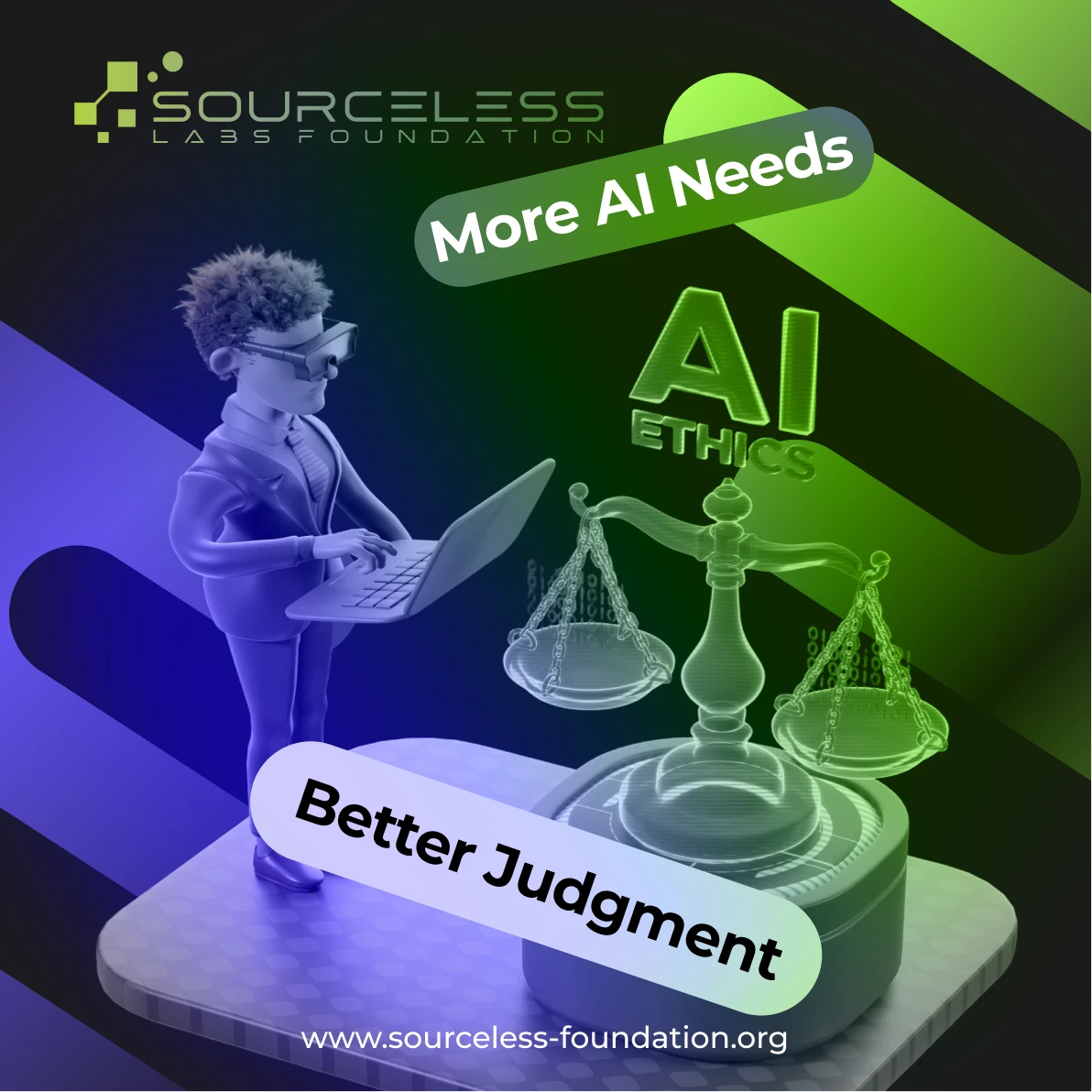
We can learn the basics of most AI tools in an hour. Learning when to question what they give us and how to push them further takes much longer.
It means knowing when an automated recommendation deserves a second look, which decisions shouldn’t be handed over to AI in the first place, and when we need to check the sources and do our own research instead of taking a polished answer at face value.
A new OECD–European Commission framework describes 𝐀𝐈 𝐥𝐢𝐭𝐞𝐫𝐚𝐜𝐲 as the ability to understand how AI systems work, critically evaluate their outputs, and use them responsibly. In Europe, organisations using AI are now also expected under the AI Act to support AI literacy among the people working with those systems.
𝐒𝐨𝐮𝐫𝐜𝐞𝐋𝐞𝐬𝐬 𝐋𝐚𝐛𝐬 𝐅𝐨𝐮𝐧𝐝𝐚𝐭𝐢𝐨𝐧 works around research, mentorship, collaboration and knowledge exchange across fields including AI, blockchain, biotechnology and renewable energy.
As these systems become more capable, our own judgment has to keep up with them. We still need to question, verify, decide and create for ourselves, even when AI can do more of the work. Otherwise, a tool that is supposed to extend our abilities can just as easily make us too dependent on it.
𝐋𝐞𝐚𝐫𝐧 𝐦𝐨𝐫𝐞 𝐚𝐛𝐨𝐮𝐭 𝐒𝐨𝐮𝐫𝐜𝐞𝐋𝐞𝐬𝐬 𝐋𝐚𝐛𝐬 𝐅𝐨𝐮𝐧𝐝𝐚𝐭𝐢𝐨𝐧:
http://www.sourceless-foundation.org
#SourceLessLabsFoundation #AILiteracy #ArtificialIntelligence #Education #Technology #DigitalLiteracy
We can learn the basics of most AI tools in an hour. Learning when to question what they give us and how to push them further takes much longer.
It means knowing when an automated recommendation deserves a second look, which decisions shouldn’t be handed over to AI in the first place, and when we need to check the sources and do our own research instead of taking a polished answer at face value.
A new OECD–European Commission framework describes 𝐀𝐈 𝐥𝐢𝐭𝐞𝐫𝐚𝐜𝐲 as the ability to understand how AI systems work, critically evaluate their outputs, and use them responsibly. In Europe, organisations using AI are now also expected under the AI Act to support AI literacy among the people working with those systems.
𝐒𝐨𝐮𝐫𝐜𝐞𝐋𝐞𝐬𝐬 𝐋𝐚𝐛𝐬 𝐅𝐨𝐮𝐧𝐝𝐚𝐭𝐢𝐨𝐧 works around research, mentorship, collaboration and knowledge exchange across fields including AI, blockchain, biotechnology and renewable energy.
As these systems become more capable, our own judgment has to keep up with them. We still need to question, verify, decide and create for ourselves, even when AI can do more of the work. Otherwise, a tool that is supposed to extend our abilities can just as easily make us too dependent on it.
𝐋𝐞𝐚𝐫𝐧 𝐦𝐨𝐫𝐞 𝐚𝐛𝐨𝐮𝐭 𝐒𝐨𝐮𝐫𝐜𝐞𝐋𝐞𝐬𝐬 𝐋𝐚𝐛𝐬 𝐅𝐨𝐮𝐧𝐝𝐚𝐭𝐢𝐨𝐧:
http://www.sourceless-foundation.org
#SourceLessLabsFoundation #AILiteracy #ArtificialIntelligence #Education #Technology #DigitalLiteracy


3 reactions
How to Raise Free Thinkers in a Programmed World
https://www.publish0x.com/life-is-love/how-to-raise-free-thinkers-in-a-programmed-world-xwrmeqm
#Parenting #CriticalThinking #DigitalLiteracy
https://www.publish0x.com/life-is-love/how-to-raise-free-thinkers-in-a-programmed-world-xwrmeqm
#Parenting #CriticalThinking #DigitalLiteracy

3
0 reactions
We spend more of our lives online than ever, but most of us still don’t make one important distinction:
𝘺𝘰𝘶𝘳 𝘥𝘪𝘨𝘪𝘵𝘢𝘭 𝘴𝘦𝘭𝘧 𝘪𝘴 𝘯𝘰𝘵 𝘵𝘩𝘦 𝘴𝘢𝘮𝘦 𝘢𝘴 𝘺𝘰𝘶𝘳 𝘥𝘪𝘨𝘪𝘵𝘢𝘭 𝘪𝘥𝘦𝘯𝘵𝘪𝘵𝘺.
That difference now has real consequences. Digital identity is becoming more connected to money, work, AI, services, mobility, verification, and public participation. And also because, at the same time, laws, platform policies, AI practices, and data collection models are changing faster than most people can catch up.
We made this video to help make that difference clear: digital self vs digital identity, centralized control, data exposure, zero-knowledge proofs, AI agents, and why digital literacy is an essential skill in this day an age..
Watch it, share it, and help bring more awareness to this side of digital life.
👉 https://youtu.be/aQ7E78yyWRU
#SourceLess #DigitalIdentity #Web3 #Privacy #DecentralizedIdentity #ZeroKnowledgeProofs #AI #DigitalLiteracy #DataPrivacy #OnlineIdentity
𝘺𝘰𝘶𝘳 𝘥𝘪𝘨𝘪𝘵𝘢𝘭 𝘴𝘦𝘭𝘧 𝘪𝘴 𝘯𝘰𝘵 𝘵𝘩𝘦 𝘴𝘢𝘮𝘦 𝘢𝘴 𝘺𝘰𝘶𝘳 𝘥𝘪𝘨𝘪𝘵𝘢𝘭 𝘪𝘥𝘦𝘯𝘵𝘪𝘵𝘺.
That difference now has real consequences. Digital identity is becoming more connected to money, work, AI, services, mobility, verification, and public participation. And also because, at the same time, laws, platform policies, AI practices, and data collection models are changing faster than most people can catch up.
We made this video to help make that difference clear: digital self vs digital identity, centralized control, data exposure, zero-knowledge proofs, AI agents, and why digital literacy is an essential skill in this day an age..
Watch it, share it, and help bring more awareness to this side of digital life.
👉 https://youtu.be/aQ7E78yyWRU
#SourceLess #DigitalIdentity #Web3 #Privacy #DecentralizedIdentity #ZeroKnowledgeProofs #AI #DigitalLiteracy #DataPrivacy #OnlineIdentity