
0 reactions
We spend more of our lives online than ever, but most of us still don’t make one important distinction:
𝘺𝘰𝘶𝘳 𝘥𝘪𝘨𝘪𝘵𝘢𝘭 𝘴𝘦𝘭𝘧 𝘪𝘴 𝘯𝘰𝘵 𝘵𝘩𝘦 𝘴𝘢𝘮𝘦 𝘢𝘴 𝘺𝘰𝘶𝘳 𝘥𝘪𝘨𝘪𝘵𝘢𝘭 𝘪𝘥𝘦𝘯𝘵𝘪𝘵𝘺.
That difference now has real consequences. Digital identity is becoming more connected to money, work, AI, services, mobility, verification, and public participation. And also because, at the same time, laws, platform policies, AI practices, and data collection models are changing faster than most people can catch up.
We made this video to help make that difference clear: digital self vs digital identity, centralized control, data exposure, zero-knowledge proofs, AI agents, and why digital literacy is an essential skill in this day an age..
Watch it, share it, and help bring more awareness to this side of digital life.
👉 https://youtu.be/aQ7E78yyWRU
#SourceLess #DigitalIdentity #Web3 #Privacy #DecentralizedIdentity #ZeroKnowledgeProofs #AI #DigitalLiteracy #DataPrivacy #OnlineIdentity
𝘺𝘰𝘶𝘳 𝘥𝘪𝘨𝘪𝘵𝘢𝘭 𝘴𝘦𝘭𝘧 𝘪𝘴 𝘯𝘰𝘵 𝘵𝘩𝘦 𝘴𝘢𝘮𝘦 𝘢𝘴 𝘺𝘰𝘶𝘳 𝘥𝘪𝘨𝘪𝘵𝘢𝘭 𝘪𝘥𝘦𝘯𝘵𝘪𝘵𝘺.
That difference now has real consequences. Digital identity is becoming more connected to money, work, AI, services, mobility, verification, and public participation. And also because, at the same time, laws, platform policies, AI practices, and data collection models are changing faster than most people can catch up.
We made this video to help make that difference clear: digital self vs digital identity, centralized control, data exposure, zero-knowledge proofs, AI agents, and why digital literacy is an essential skill in this day an age..
Watch it, share it, and help bring more awareness to this side of digital life.
👉 https://youtu.be/aQ7E78yyWRU
#SourceLess #DigitalIdentity #Web3 #Privacy #DecentralizedIdentity #ZeroKnowledgeProofs #AI #DigitalLiteracy #DataPrivacy #OnlineIdentity


0 reactions
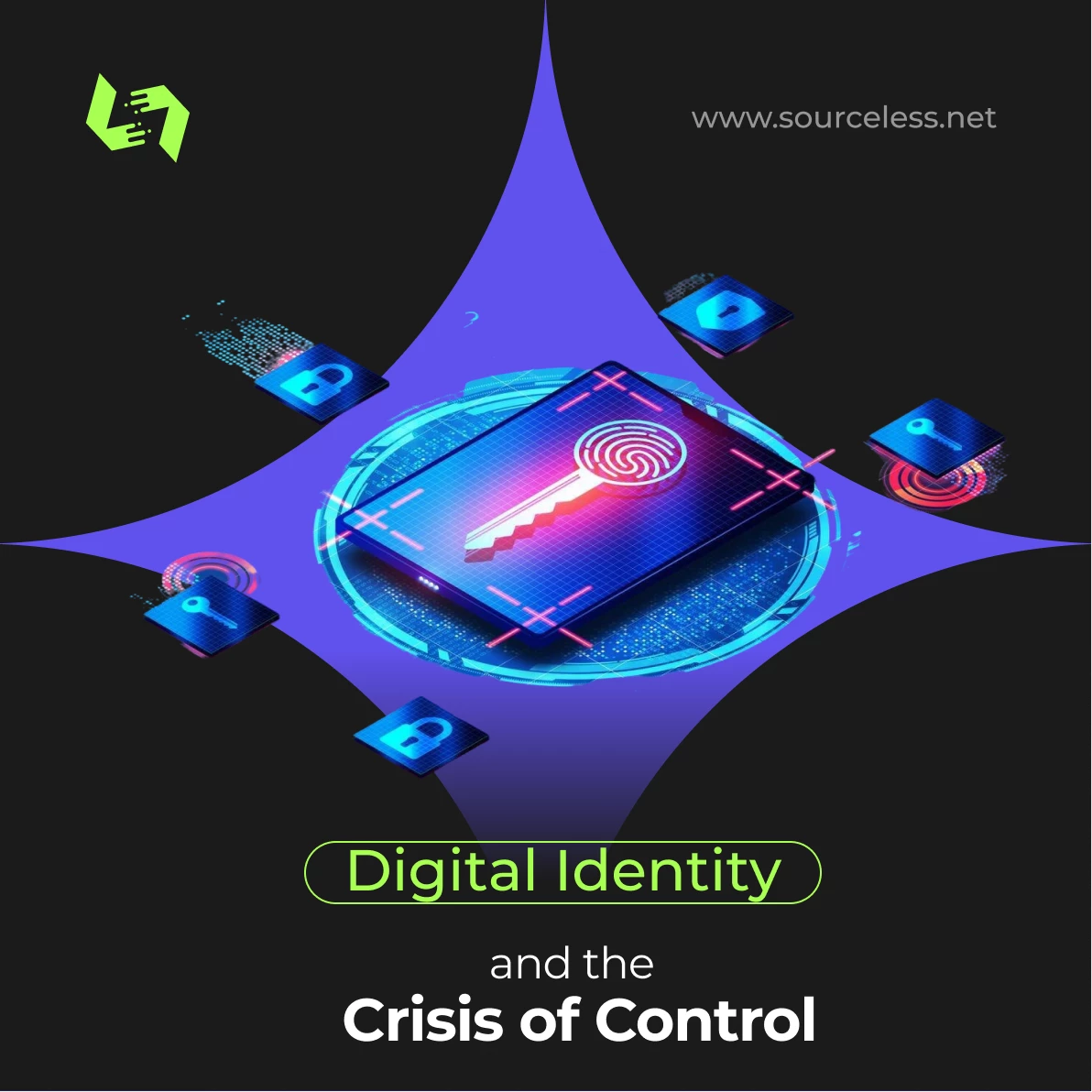
𝐃𝐢𝐠𝐢𝐭𝐚𝐥 𝐈𝐝𝐞𝐧𝐭𝐢𝐭𝐲 𝐚𝐧𝐝 𝐭𝐡𝐞 𝐂𝐫𝐢𝐬𝐢𝐬 𝐨𝐟 𝐂𝐨𝐧𝐭𝐫𝐨𝐥
We used to think digital identity was just about logging in, passing security checks, or maybe showing a digital wallet or KYC screen.
That’s only the surface.
Underneath it, something much bigger is being built. Identity is becoming part of the infrastructure that determines how you are recognized, what you can access, and how systems treat you across work, money, services, communication, and everyday digital life.
In the previous piece from this series, 𝐃𝐢𝐠𝐢𝐭𝐚𝐥 𝐒𝐞𝐥𝐟 𝐯𝐬 𝐃𝐢𝐠𝐢𝐭𝐚𝐥 𝐈𝐝𝐞𝐧𝐭𝐢𝐭𝐲, we talked about who you are online versus what the systems actually use around you.
In the new article, 𝐃𝐢𝐠𝐢𝐭𝐚𝐥 𝐈𝐝𝐞𝐧𝐭𝐢𝐭𝐲 𝐚𝐧𝐝 𝐭𝐡𝐞 𝐂𝐫𝐢𝐬𝐢𝐬 𝐨𝐟 𝐂𝐨𝐧𝐭𝐫𝐨𝐥, we dig into the tough stuff and what follows when more of life starts running through systems you don’t control.
That’s the reason for this series. To build a clearer picture of what digital identity is becoming, why it deserves public attention, and why people need to understand it before the rules get set in stone without us.
𝐑𝐞𝐚𝐝 𝐭𝐡𝐞 𝐟𝐮𝐥𝐥 𝐚𝐫𝐭𝐢𝐜𝐥𝐞:
https://sourcelessblockchain.medium.com/digital-identity-and-the-crisis-of-control-48695ec93ef2
#DigitalIdentity #Privacy #DigitalRights #DataOwnership #SelfSovereignIdentity #SSI #Web3 #Decentralization #OnlineIdentity #DigitalInfrastructure #Surveillance #SourceLess
We used to think digital identity was just about logging in, passing security checks, or maybe showing a digital wallet or KYC screen.
That’s only the surface.
Underneath it, something much bigger is being built. Identity is becoming part of the infrastructure that determines how you are recognized, what you can access, and how systems treat you across work, money, services, communication, and everyday digital life.
In the previous piece from this series, 𝐃𝐢𝐠𝐢𝐭𝐚𝐥 𝐒𝐞𝐥𝐟 𝐯𝐬 𝐃𝐢𝐠𝐢𝐭𝐚𝐥 𝐈𝐝𝐞𝐧𝐭𝐢𝐭𝐲, we talked about who you are online versus what the systems actually use around you.
In the new article, 𝐃𝐢𝐠𝐢𝐭𝐚𝐥 𝐈𝐝𝐞𝐧𝐭𝐢𝐭𝐲 𝐚𝐧𝐝 𝐭𝐡𝐞 𝐂𝐫𝐢𝐬𝐢𝐬 𝐨𝐟 𝐂𝐨𝐧𝐭𝐫𝐨𝐥, we dig into the tough stuff and what follows when more of life starts running through systems you don’t control.
That’s the reason for this series. To build a clearer picture of what digital identity is becoming, why it deserves public attention, and why people need to understand it before the rules get set in stone without us.
𝐑𝐞𝐚𝐝 𝐭𝐡𝐞 𝐟𝐮𝐥𝐥 𝐚𝐫𝐭𝐢𝐜𝐥𝐞:
https://sourcelessblockchain.medium.com/digital-identity-and-the-crisis-of-control-48695ec93ef2
#DigitalIdentity #Privacy #DigitalRights #DataOwnership #SelfSovereignIdentity #SSI #Web3 #Decentralization #OnlineIdentity #DigitalInfrastructure #Surveillance #SourceLess
1 reactions
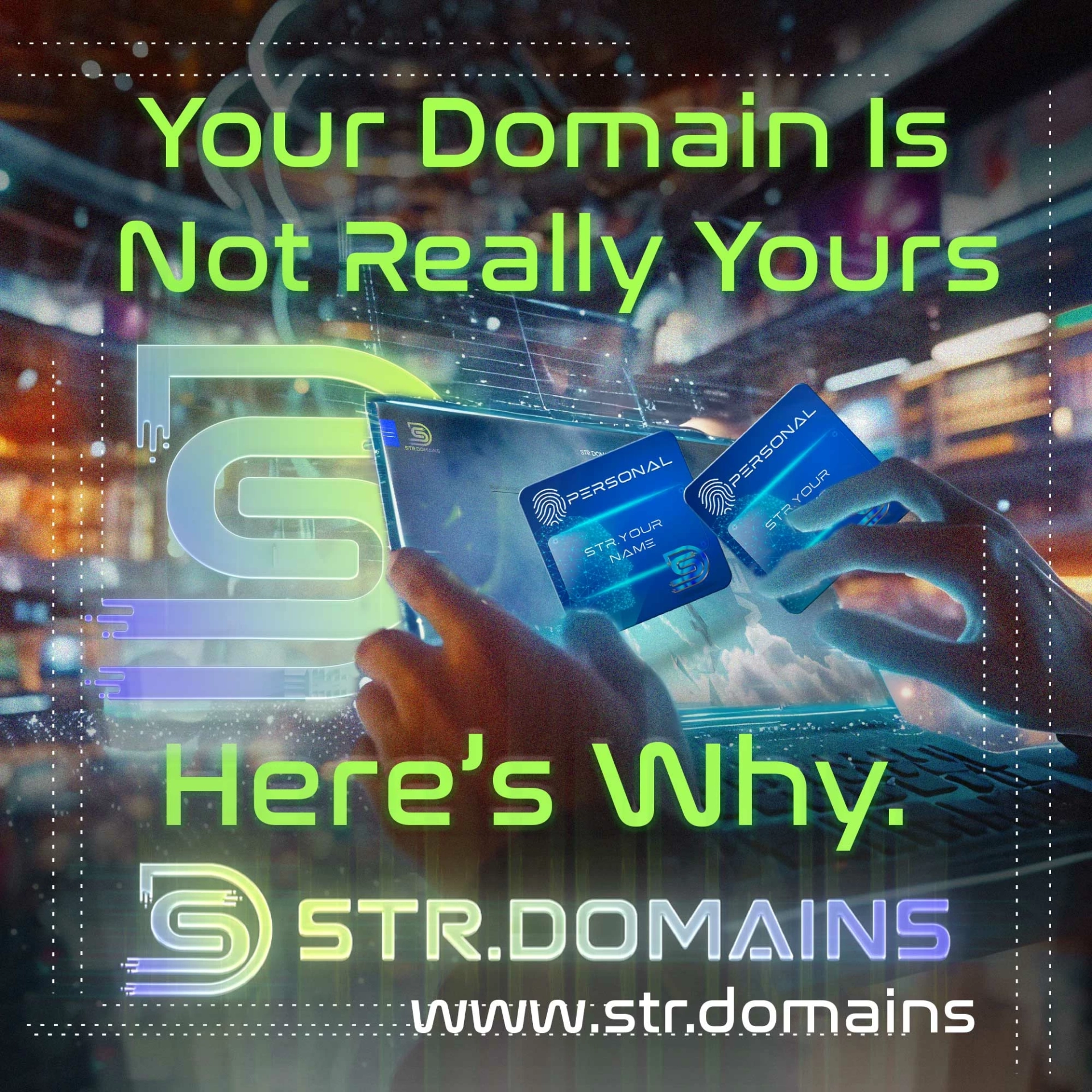
𝐘𝐨𝐮𝐫 𝐃𝐨𝐦𝐚𝐢𝐧 𝐈𝐬 𝐍𝐨𝐭 𝐑𝐞𝐚𝐥𝐥𝐲 𝐘𝐨𝐮𝐫𝐬. 𝐇𝐞𝐫𝐞’𝐬 𝐖𝐡𝐲.
Owning a domain? Not really. If you have to renew it every year, it's not ownership. It's a rental.
🔹 Forget to pay? 𝐘𝐨𝐮 𝐥𝐨𝐬𝐞 𝐢𝐭.
🔹 Someone outbids you? 𝐈𝐭'𝐬 𝐠𝐨𝐧𝐞.
🔹 A company decides you violated their policies? 𝐓𝐡𝐞𝐲 𝐭𝐚𝐤𝐞 𝐢𝐭.
𝐒𝐓𝐑 𝐃𝐨𝐦𝐚𝐢𝐧𝐬 𝐜𝐡𝐚𝐧𝐠𝐞 𝐭𝐡𝐢𝐬. Your domain…
✅ 𝐘𝐨𝐮𝐫𝐬 𝐟𝐨𝐫𝐞𝐯𝐞𝐫. No renewals, no rent, no risk.
✅ 𝐁𝐥𝐨𝐜𝐤𝐜𝐡𝐚𝐢𝐧-𝐩𝐫𝐨𝐭𝐞𝐜𝐭𝐞𝐝. No one can take it from you.
✅ 𝐌𝐨𝐫𝐞 𝐭𝐡𝐚𝐧 𝐚 𝐰𝐞𝐛 𝐚𝐝𝐝𝐫𝐞𝐬𝐬. Use it for identity, payments, and Web3 access.
A 2024 study by 𝐅𝐫𝐞𝐞𝐧𝐚𝐦𝐞 found that 𝐛𝐥𝐨𝐜𝐤𝐜𝐡𝐚𝐢𝐧 𝐝𝐨𝐦𝐚𝐢𝐧 𝐫𝐞𝐠𝐢𝐬𝐭𝐫𝐚𝐭𝐢𝐨𝐧𝐬 𝐡𝐚𝐯𝐞 𝐬𝐤𝐲𝐫𝐨𝐜𝐤𝐞𝐭𝐞𝐝 𝟒𝟎𝟎% as users seek digital assets they actually own.
𝐓𝐡𝐞 𝐨𝐥𝐝 𝐬𝐲𝐬𝐭𝐞𝐦 𝐰𝐚𝐬𝐧’𝐭 𝐛𝐮𝐢𝐥𝐭 𝐟𝐨𝐫 𝐲𝐨𝐮 𝐭𝐨 𝐨𝐰𝐧 - 𝐢𝐭 𝐰𝐚𝐬 𝐛𝐮𝐢𝐥𝐭 𝐟𝐨𝐫 𝐲𝐨𝐮 𝐭𝐨 𝐩𝐚𝐲. STR Domains fix that.
🔗 𝐁𝐞 𝐩𝐚𝐫𝐭 𝐨𝐟 𝐭𝐡𝐞 𝐧𝐞𝐰 𝐢𝐧𝐭𝐞𝐫𝐧𝐞𝐭
https://www.str.domains
#STRDomains #DigitalIdentity #OwnIt #Web3Revolution #digitalidentity #onlineidentity #digitalownership #web3domains #blockchaindomains
Owning a domain? Not really. If you have to renew it every year, it's not ownership. It's a rental.
🔹 Forget to pay? 𝐘𝐨𝐮 𝐥𝐨𝐬𝐞 𝐢𝐭.
🔹 Someone outbids you? 𝐈𝐭'𝐬 𝐠𝐨𝐧𝐞.
🔹 A company decides you violated their policies? 𝐓𝐡𝐞𝐲 𝐭𝐚𝐤𝐞 𝐢𝐭.
𝐒𝐓𝐑 𝐃𝐨𝐦𝐚𝐢𝐧𝐬 𝐜𝐡𝐚𝐧𝐠𝐞 𝐭𝐡𝐢𝐬. Your domain…
✅ 𝐘𝐨𝐮𝐫𝐬 𝐟𝐨𝐫𝐞𝐯𝐞𝐫. No renewals, no rent, no risk.
✅ 𝐁𝐥𝐨𝐜𝐤𝐜𝐡𝐚𝐢𝐧-𝐩𝐫𝐨𝐭𝐞𝐜𝐭𝐞𝐝. No one can take it from you.
✅ 𝐌𝐨𝐫𝐞 𝐭𝐡𝐚𝐧 𝐚 𝐰𝐞𝐛 𝐚𝐝𝐝𝐫𝐞𝐬𝐬. Use it for identity, payments, and Web3 access.
A 2024 study by 𝐅𝐫𝐞𝐞𝐧𝐚𝐦𝐞 found that 𝐛𝐥𝐨𝐜𝐤𝐜𝐡𝐚𝐢𝐧 𝐝𝐨𝐦𝐚𝐢𝐧 𝐫𝐞𝐠𝐢𝐬𝐭𝐫𝐚𝐭𝐢𝐨𝐧𝐬 𝐡𝐚𝐯𝐞 𝐬𝐤𝐲𝐫𝐨𝐜𝐤𝐞𝐭𝐞𝐝 𝟒𝟎𝟎% as users seek digital assets they actually own.
𝐓𝐡𝐞 𝐨𝐥𝐝 𝐬𝐲𝐬𝐭𝐞𝐦 𝐰𝐚𝐬𝐧’𝐭 𝐛𝐮𝐢𝐥𝐭 𝐟𝐨𝐫 𝐲𝐨𝐮 𝐭𝐨 𝐨𝐰𝐧 - 𝐢𝐭 𝐰𝐚𝐬 𝐛𝐮𝐢𝐥𝐭 𝐟𝐨𝐫 𝐲𝐨𝐮 𝐭𝐨 𝐩𝐚𝐲. STR Domains fix that.
🔗 𝐁𝐞 𝐩𝐚𝐫𝐭 𝐨𝐟 𝐭𝐡𝐞 𝐧𝐞𝐰 𝐢𝐧𝐭𝐞𝐫𝐧𝐞𝐭
https://www.str.domains
#STRDomains #DigitalIdentity #OwnIt #Web3Revolution #digitalidentity #onlineidentity #digitalownership #web3domains #blockchaindomains

1