
3 reactions
🏛️ Mohenjo-daro – The Pride of Pakistan's Ancient Civilization
Hello everyone!
My username is
Today, I would like to share a fascinating piece of Pakistan's history.
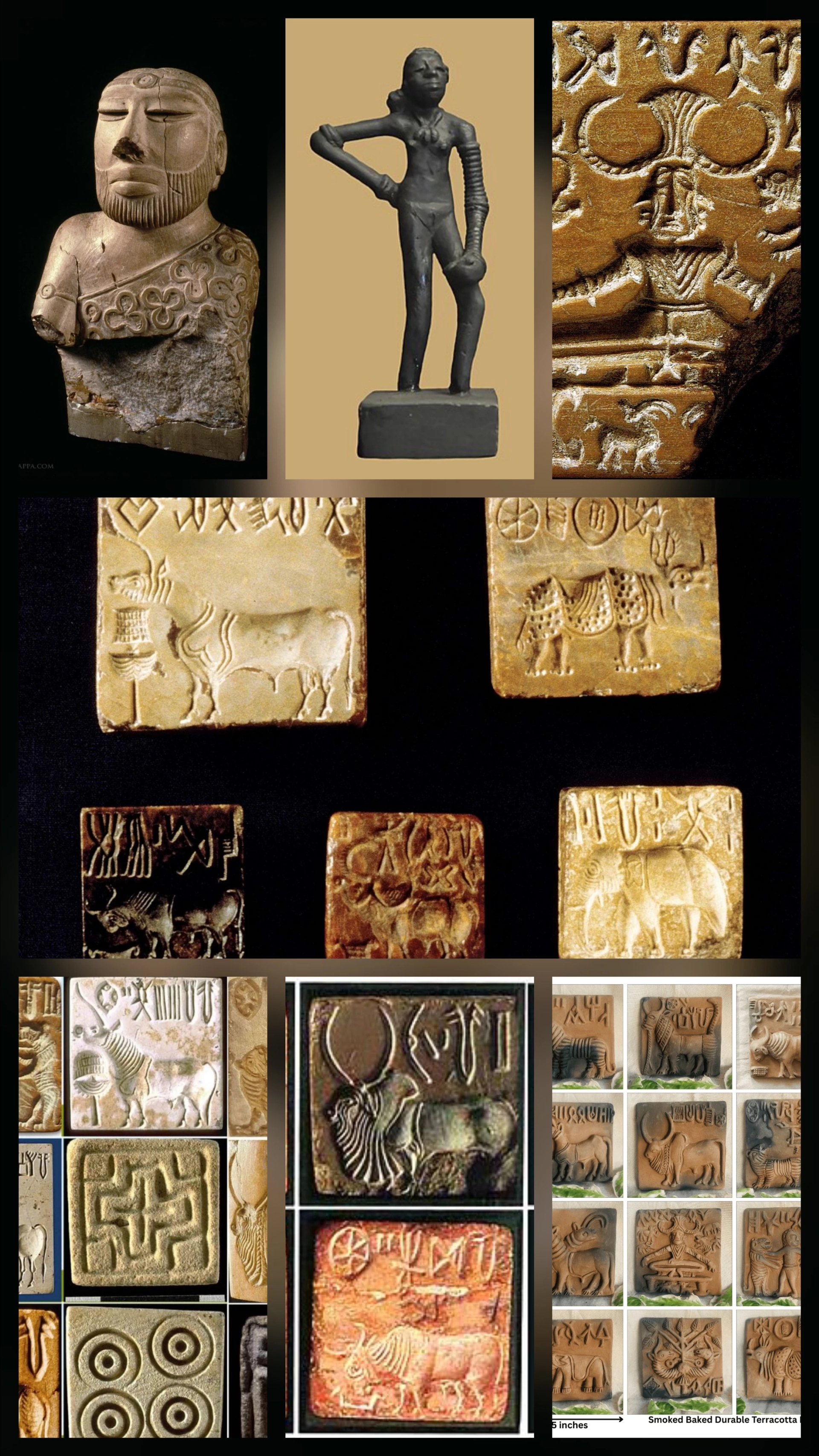
Mohenjo-daro, located in Sindh, Pakistan, is one of the greatest cities of the Indus Valley Civilization. It was built around 2500 BCE, making it more than 4,500 years old.
This ancient city is famous for its advanced urban planning, well-built brick houses, straight streets, and one of the world's earliest drainage systems. These remarkable achievements show how highly developed this civilization was.
Mohenjo-daro was discovered in 1922 and was recognized as a UNESCO World Heritage Site in 1980. Today, it remains one of Pakistan's most valuable archaeological treasures and a symbol of our rich cultural heritage.
Have you ever visited Mohenjo-daro, or would you like to visit it one day? Share your thoughts in the comments!
#Pakistan #Sindh #MohenjoDaro #History #AncientCivilization #IndusValley #UNESCO #Archaeology #Heritage #Travel #Education #Tangled
Hello everyone!
My username is
Today, I would like to share a fascinating piece of Pakistan's history.
Mohenjo-daro, located in Sindh, Pakistan, is one of the greatest cities of the Indus Valley Civilization. It was built around 2500 BCE, making it more than 4,500 years old.
This ancient city is famous for its advanced urban planning, well-built brick houses, straight streets, and one of the world's earliest drainage systems. These remarkable achievements show how highly developed this civilization was.
Mohenjo-daro was discovered in 1922 and was recognized as a UNESCO World Heritage Site in 1980. Today, it remains one of Pakistan's most valuable archaeological treasures and a symbol of our rich cultural heritage.
Have you ever visited Mohenjo-daro, or would you like to visit it one day? Share your thoughts in the comments!
#Pakistan #Sindh #MohenjoDaro #History #AncientCivilization #IndusValley #UNESCO #Archaeology #Heritage #Travel #Education #Tangled


2

1

0 reactions
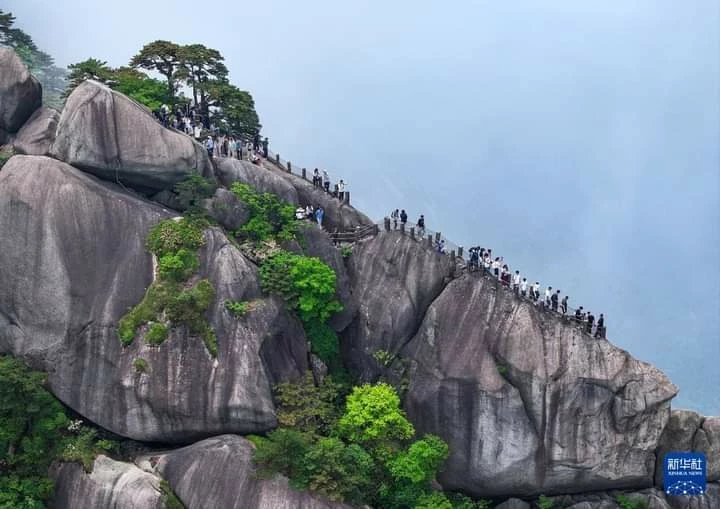
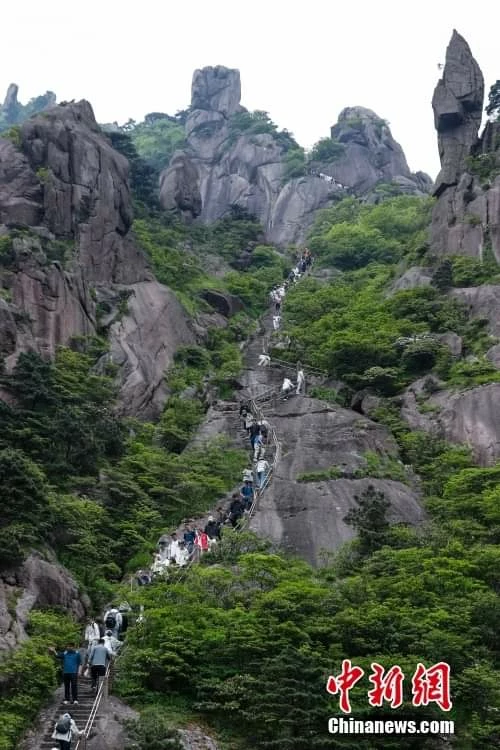
Featuring steep slopes dubbed the “ladder to heaven”, the Tiandu Peak, one of the three major peaks of the #UNESCO -listed Huangshan Mountain in east China's Anhui Province, reopened to tourists on Monday.
Several popular sites on Huangshan Mountain, including Tiandu Peak, are opened to the public on a rotating basis so as to protect the natural ecology of the area. The practice was initiated by Huangshan in 1987 and it has since been adopted by other mountain scenic spots. #TravelinChina #mountainviews #hikingadventures es
Several popular sites on Huangshan Mountain, including Tiandu Peak, are opened to the public on a rotating basis so as to protect the natural ecology of the area. The practice was initiated by Huangshan in 1987 and it has since been adopted by other mountain scenic spots. #TravelinChina #mountainviews #hikingadventures es

7 reactions
Le Morne Brabant (Natural monument recognized by UNESCO)
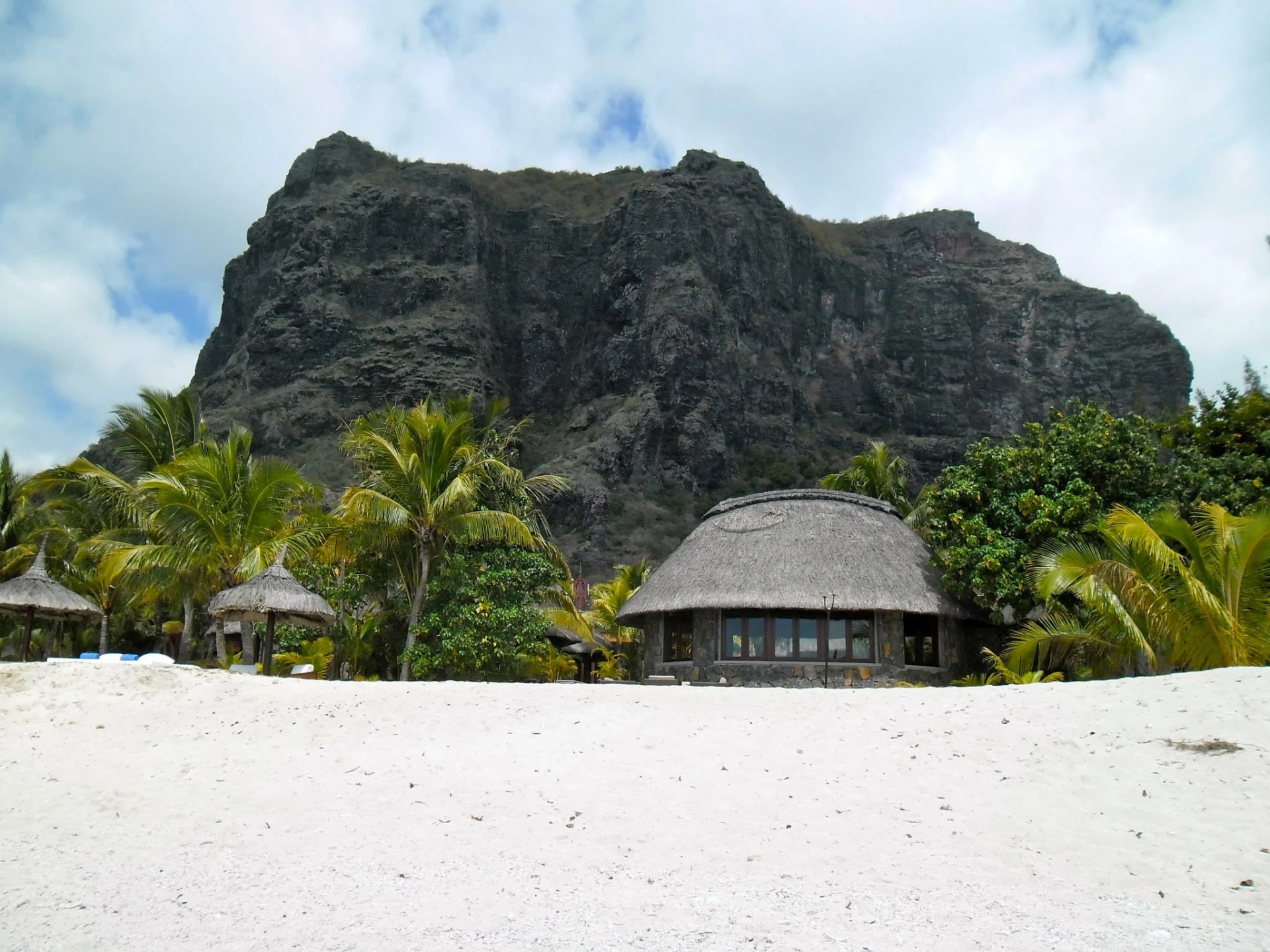
Le Morne Brabant is a natural monument located at the southwestern end of the island of Mauritius, in the Indian Ocean. It is a mount that symbolizes the resistance to slavery, since it was used as a refuge by slaves who, after running away, hid on its sides and cliffs.
At the base of the Le Morne mountain lies the “International Slave Route Monument”, which consists of 10 sculptures; one of them, the central one, was made by a Mauritian artist, and the other nine are displayed in a garden. Six of them were made by artists from Reunion Island, Madagascar, Mozambique, China, India and Malaysia.
During the 16th and 19th centuries, Mauritius was one of the Indian Ocean countries that had a strategical role in slave trade. The Island had been colonized in 1638 by the Dutch, who named it so in honor of Maurice of Nassau, Prince of The Netherlands. The Dutch transformed it into a trade center and created sugar plantations, in which they used slave labor.
In 1710, Holland left the colony, which was left under direct control of the French monarchy. In 1810, after the Franco-British war, the island of Mauritius was occupied by the British. It finally became independent in 1968 after living under three colonial regimes.
In 1835, slavery was abolished in the Island of Mauritius. Today, the Mauritian society recognizes that its ancestors were European and Asian settlers, Indian immigrants and African slaves.
The Le Morne mountain on the island of Mauritius is a symbol of resistance to slavery, since its impressive shape served as refuge for people that managed to run away from slavery.
For the first time, on 1 February 2005, Le Morne was the stage of the official commemoration of the anniversary of the abolition of slavery in Mauritius.
The next year, the Mauritian government created the Le Morne Heritage Trust Fund for the purpose of managing the heritage of Le Morne in general and the Slave Route international monument in particular.
This monument is a part of the UNESCO “Slave Route” project to which the Island of Mauritius officially adhered in 2005 by creating the Slave Route National Committee, which depends on the Ministry of Arts and Culture.
#history #LeMorne #MorneBrabant #slavery #Mauritius #mountain #unesco
Le Morne Brabant is a natural monument located at the southwestern end of the island of Mauritius, in the Indian Ocean. It is a mount that symbolizes the resistance to slavery, since it was used as a refuge by slaves who, after running away, hid on its sides and cliffs.
At the base of the Le Morne mountain lies the “International Slave Route Monument”, which consists of 10 sculptures; one of them, the central one, was made by a Mauritian artist, and the other nine are displayed in a garden. Six of them were made by artists from Reunion Island, Madagascar, Mozambique, China, India and Malaysia.
During the 16th and 19th centuries, Mauritius was one of the Indian Ocean countries that had a strategical role in slave trade. The Island had been colonized in 1638 by the Dutch, who named it so in honor of Maurice of Nassau, Prince of The Netherlands. The Dutch transformed it into a trade center and created sugar plantations, in which they used slave labor.
In 1710, Holland left the colony, which was left under direct control of the French monarchy. In 1810, after the Franco-British war, the island of Mauritius was occupied by the British. It finally became independent in 1968 after living under three colonial regimes.
In 1835, slavery was abolished in the Island of Mauritius. Today, the Mauritian society recognizes that its ancestors were European and Asian settlers, Indian immigrants and African slaves.
The Le Morne mountain on the island of Mauritius is a symbol of resistance to slavery, since its impressive shape served as refuge for people that managed to run away from slavery.
For the first time, on 1 February 2005, Le Morne was the stage of the official commemoration of the anniversary of the abolition of slavery in Mauritius.
The next year, the Mauritian government created the Le Morne Heritage Trust Fund for the purpose of managing the heritage of Le Morne in general and the Slave Route international monument in particular.
This monument is a part of the UNESCO “Slave Route” project to which the Island of Mauritius officially adhered in 2005 by creating the Slave Route National Committee, which depends on the Ministry of Arts and Culture.
#history #LeMorne #MorneBrabant #slavery #Mauritius #mountain #unesco
4

2

1