

#earn #BePreparedNotScared
Be Prepared, Not Scared! 🚦
Emergency Category: F — Road Accident 🚗
1. My Preparation and Personal Experience
I have personally experienced a road accident because I was crossing the road carelessly without paying enough attention to the traffic around me. This experience taught me an important lesson about road safety. Now, I am much more careful when crossing roads. I look both ways, pay attention to approaching vehicles, and avoid rushing. I have learned that a few seconds of caution can protect our lives. I believe that being alert and following road safety rules can help prevent many accidents.
2. Three Practical Road Safety Tips
Tip 1: Look Both Ways Before Crossing 🚶♀️
Always stop at the roadside, look left and right, and check for approaching vehicles before crossing. Use a zebra crossing or pedestrian bridge whenever possible.
Tip 2: Avoid Distractions 📵
Never use your mobile phone or wear headphones in a way that distracts you while crossing the road. Keep your full attention on the traffic.
Tip 3: Follow Traffic Rules 🚦
Obey traffic signals, use footpaths whenever available, and never run across a busy road. Drivers and pedestrians should remain alert and respect one another.
3. My Personal Thoughts and What I Learned 💜
My personal experience has changed the way I think about road safety. In the past, I was careless when crossing the road, and I experienced an accident because I did not pay enough attention. Now, I understand that road safety is not something we should take lightly. I have changed my habits and take extra precautions whenever I go outside. This experience taught me that our safety depends greatly on our own decisions and awareness.
4. What Do People Often Overlook?
I believe people often overlook the importance of patience and attention while crossing the road. Many people are in a hurry, cross without looking properly, or assume that vehicles will stop for them. This carelessness can have serious consequences. Taking a few extra seconds to check the road can make a big difference and may even save a life.
5. Road Safety Picture 🚸
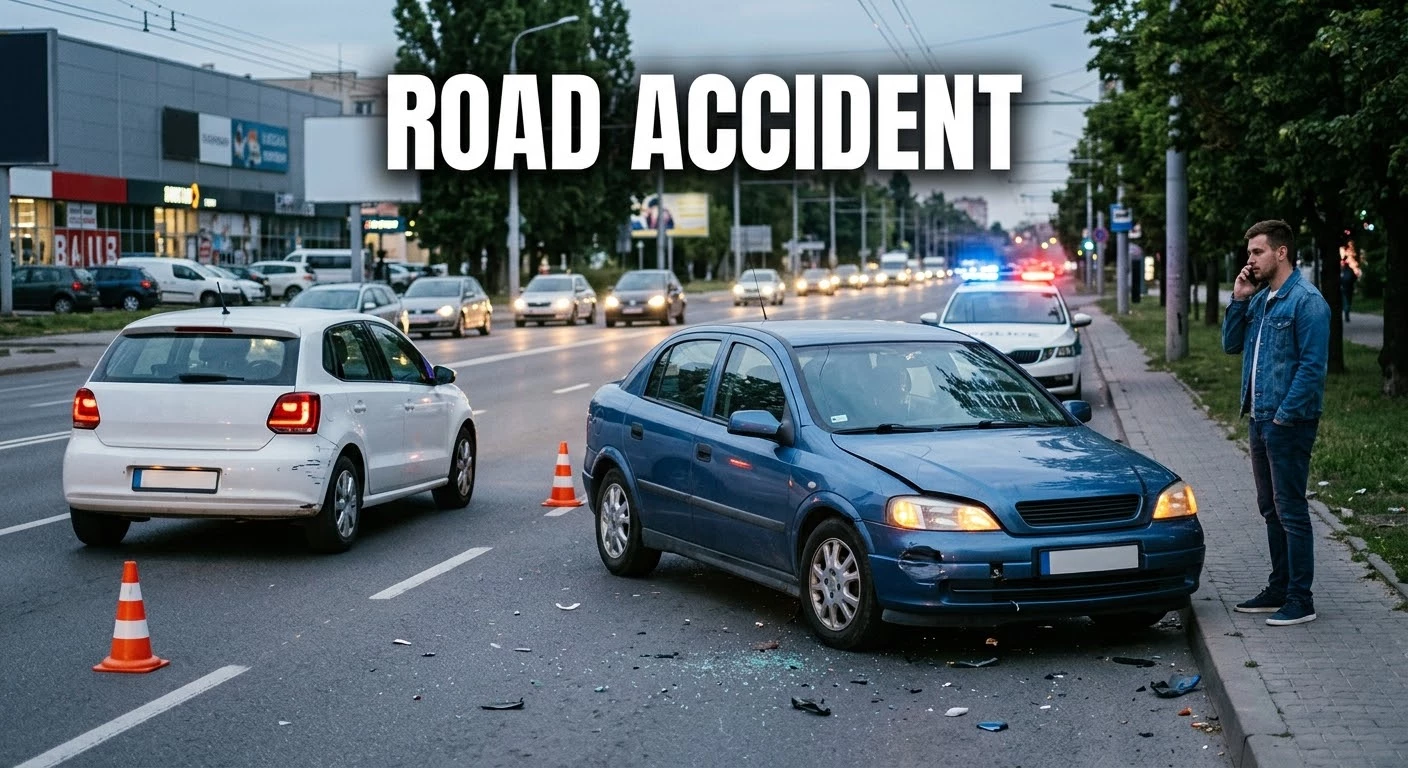
A suitable picture for this post would show a pedestrian crossing the road at a zebra crossing while checking for traffic, with a traffic signal nearby. This image would remind everyone to stay alert and follow road safety rules.
My Message: Don't rush, don't be careless, and always put safety first. A few seconds of caution can save a life! ❤️
Be Prepared, Not Scared! 🚦
Emergency Category: F — Road Accident 🚗
1. My Preparation and Personal Experience
I have personally experienced a road accident because I was crossing the road carelessly without paying enough attention to the traffic around me. This experience taught me an important lesson about road safety. Now, I am much more careful when crossing roads. I look both ways, pay attention to approaching vehicles, and avoid rushing. I have learned that a few seconds of caution can protect our lives. I believe that being alert and following road safety rules can help prevent many accidents.
2. Three Practical Road Safety Tips
Tip 1: Look Both Ways Before Crossing 🚶♀️
Always stop at the roadside, look left and right, and check for approaching vehicles before crossing. Use a zebra crossing or pedestrian bridge whenever possible.
Tip 2: Avoid Distractions 📵
Never use your mobile phone or wear headphones in a way that distracts you while crossing the road. Keep your full attention on the traffic.
Tip 3: Follow Traffic Rules 🚦
Obey traffic signals, use footpaths whenever available, and never run across a busy road. Drivers and pedestrians should remain alert and respect one another.
3. My Personal Thoughts and What I Learned 💜
My personal experience has changed the way I think about road safety. In the past, I was careless when crossing the road, and I experienced an accident because I did not pay enough attention. Now, I understand that road safety is not something we should take lightly. I have changed my habits and take extra precautions whenever I go outside. This experience taught me that our safety depends greatly on our own decisions and awareness.
4. What Do People Often Overlook?
I believe people often overlook the importance of patience and attention while crossing the road. Many people are in a hurry, cross without looking properly, or assume that vehicles will stop for them. This carelessness can have serious consequences. Taking a few extra seconds to check the road can make a big difference and may even save a life.
5. Road Safety Picture 🚸
A suitable picture for this post would show a pedestrian crossing the road at a zebra crossing while checking for traffic, with a traffic signal nearby. This image would remind everyone to stay alert and follow road safety rules.
My Message: Don't rush, don't be careless, and always put safety first. A few seconds of caution can save a life! ❤️



0 reactions
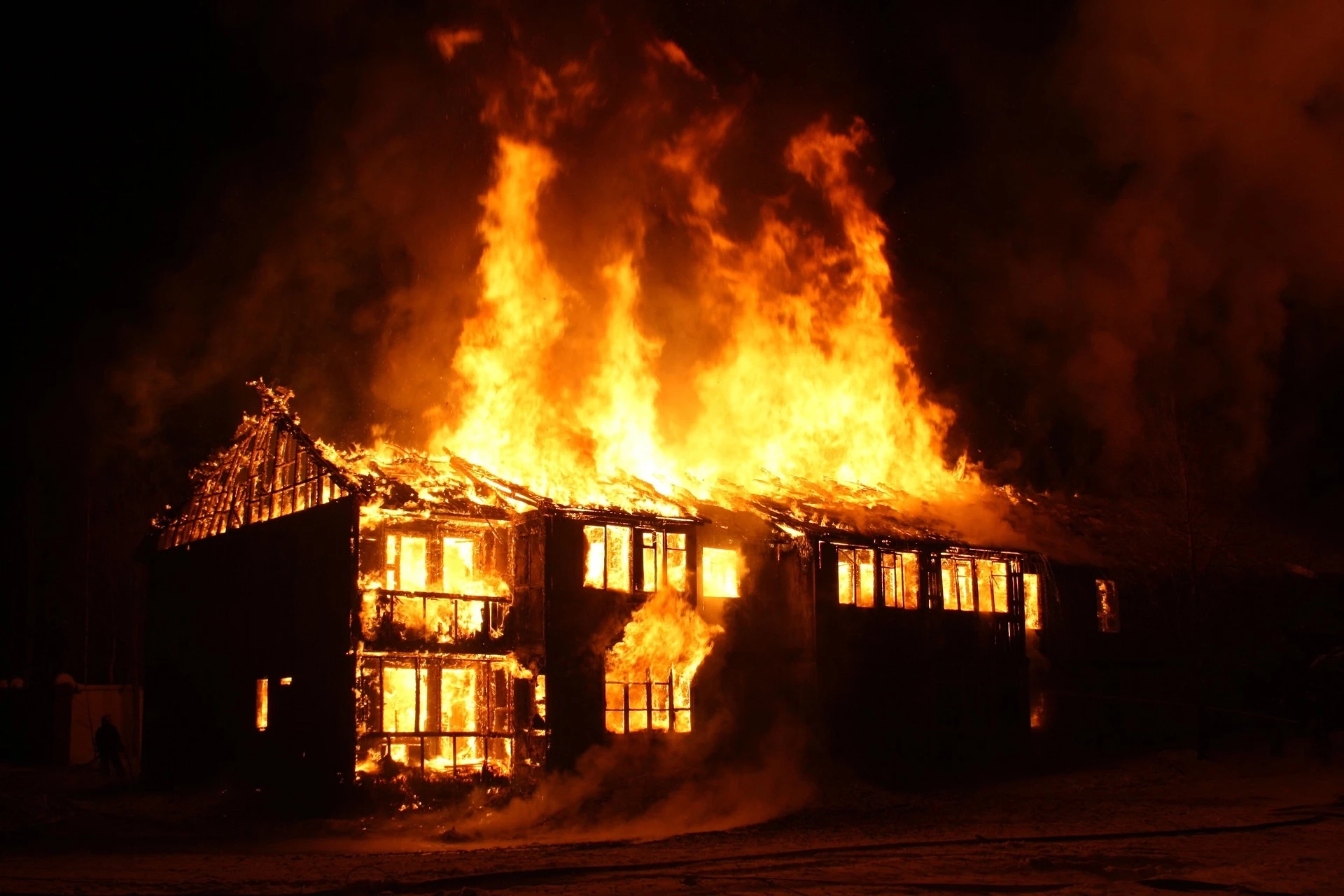
Here is how I would prepare for a FIRE 🔥, per the #BePreparedNotScared activity, hosted by
FIRE EMERGENCY PLAN
1. The home should be equipped with fire extinguishers, fire blankets, smoke detectors/alarms and, ideally, a sprinkler system. All will either enable you to deal with a small fire yourself or give you and your family time to evacuate the building, according to an agreed plan which identifies exit points and the best routes through the house. If the building has upper floors, include escape ladders as an emergency measure.
2. Every household member should have a disaster preparedness kit consisting of clothes, comfortable shoes, personal hygiene items, a good first-aid kit, medications, bottled water, snacks and copies of important documents, such as insurance policy (with adequate coverage for a new building and for temporary accommodation), ID/driver’s licence, a list of medications and their prescriber, etc. which might need to be certified as copies (depending on local legislation) of the originals. Use these hard copies in case the uncertified photos of the originals, which you’ve stored on a thumb-drive in your disaster preparedness kit or backed-up to the cloud, aren’t accepted. Assemble the kits in backpacks, a carry-on suitcase, weekend bag… and store them near the exit points. Moreover, everyone should know each other’s routine(s) to account for their safety at the time and site of the fire.
3. To ensure continued access to funds, consider Apple Pay, Google Pay, splitting cards (debit/credit) and cash between two wallets and keeping one of them in the disaster preparedness kit in case your device and regular wallet, which are usually together, must be abandoned. As an example, a friend and her husband turned to his brother for financial support until they recovered access to their own funds… akin to their accounts being frozen.
Q. What is the one thing people often overlook when preparing for this type of emergency?
A. Most people don’t have full emergency measures or a disaster kit but, nevertheless, react subconsciously and instinctively, and survive. IMO, what’s needed to transition smoothly from the time of the fire to returning home, once the property is habitable, is most overlooked.
#earn #tangled
FIRE EMERGENCY PLAN
1. The home should be equipped with fire extinguishers, fire blankets, smoke detectors/alarms and, ideally, a sprinkler system. All will either enable you to deal with a small fire yourself or give you and your family time to evacuate the building, according to an agreed plan which identifies exit points and the best routes through the house. If the building has upper floors, include escape ladders as an emergency measure.
2. Every household member should have a disaster preparedness kit consisting of clothes, comfortable shoes, personal hygiene items, a good first-aid kit, medications, bottled water, snacks and copies of important documents, such as insurance policy (with adequate coverage for a new building and for temporary accommodation), ID/driver’s licence, a list of medications and their prescriber, etc. which might need to be certified as copies (depending on local legislation) of the originals. Use these hard copies in case the uncertified photos of the originals, which you’ve stored on a thumb-drive in your disaster preparedness kit or backed-up to the cloud, aren’t accepted. Assemble the kits in backpacks, a carry-on suitcase, weekend bag… and store them near the exit points. Moreover, everyone should know each other’s routine(s) to account for their safety at the time and site of the fire.
3. To ensure continued access to funds, consider Apple Pay, Google Pay, splitting cards (debit/credit) and cash between two wallets and keeping one of them in the disaster preparedness kit in case your device and regular wallet, which are usually together, must be abandoned. As an example, a friend and her husband turned to his brother for financial support until they recovered access to their own funds… akin to their accounts being frozen.
Q. What is the one thing people often overlook when preparing for this type of emergency?
A. Most people don’t have full emergency measures or a disaster kit but, nevertheless, react subconsciously and instinctively, and survive. IMO, what’s needed to transition smoothly from the time of the fire to returning home, once the property is habitable, is most overlooked.
#earn #tangled
3 reactions
The #earn beat was busy, and the names on the copy are easy to read.
#bepreparednotscared , with
Studio challenges, mostly
Want this roundup on a regular beat? Subscribe to
#bepreparednotscared , with
Studio challenges, mostly
Want this roundup on a regular beat? Subscribe to

2

1